
Do You Feel Sick After You Quit Smoking? The Truth About Nicotine Withdrawal Symptoms
Do You Feel Sick After You Quit Smoking? The Truth About Nicotine Withdrawal Symptoms
Introduction: Quitting smoking is a significant decision that can lead to a healthier lifestyle. However, many individuals face challenges during the quitting process, with one common issue being the onset of nicotine withdrawal symptoms. In this article, we will delve into the truth about these symptoms and provide insights to help you navigate through this phase.
Understanding Nicotine Withdrawal
-
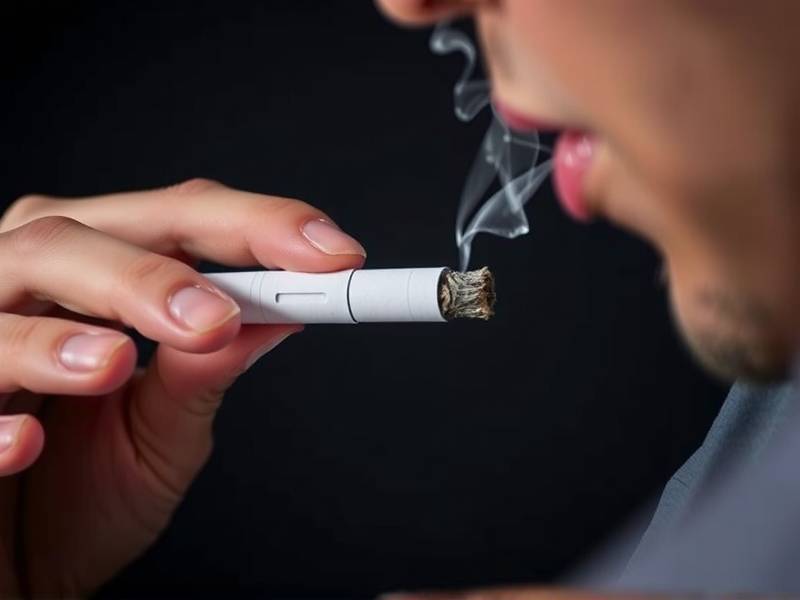
What is Nicotine Withdrawal? Nicotine withdrawal occurs when the body adjusts to lower levels of nicotine after prolonged exposure to it. This adjustment can trigger a range of symptoms that may make quitting smoking feel more challenging.
-
Common Symptoms of Nicotine Withdrawal The most common symptoms include:
- Anxiety
- Irritability
- Headaches
- Insomnia
- Decreased appetite
- Fatigue
Dealing with Nicotine Withdrawal Symptoms
-
Manage Your Expectations Understanding that nicotine withdrawal is a temporary phase can help you stay motivated. Remember, these symptoms are your body's way of adjusting to its new, smoke-free state.
-
Stay Hydrated and Eat Healthily Drinking plenty of water and consuming nutritious foods can help alleviate some withdrawal symptoms, such as headaches and irritability.
-
Find Alternative Ways to Cope with Stress Instead of reaching for a cigarette when feeling stressed, try alternative methods such as deep breathing exercises, meditation, or going for a walk.
-
Seek Support from Friends and Family Having a strong support system can make the quitting process easier. Share your struggles with loved ones who can offer encouragement and motivation.
-
Consider Nicotine Replacement Therapy (NRT) NRT products like gum, patches, lozenges, or inhalers can help alleviate nicotine cravings and reduce withdrawal symptoms.

-
Join a Support Group or Seek Professional Help Support groups and counseling services can provide valuable guidance and emotional support during your quit journey.
Conclusion: Feeling sick after quitting smoking is not uncommon due to nicotine withdrawal symptoms. By understanding these symptoms and adopting effective coping strategies, you can overcome this challenging phase and achieve long-term success in your smoke-free journey. Remember that every effort you make towards quitting smoking brings you one step closer to better health and well-being.