
Will Your Lungs Fully Heal After Quitting Smoking?
Will Your Lungs Fully Heal After Quitting Smoking? A Comprehensive Guide
Understanding the Impact of Smoking on Lungs
Smoking is a well-known risk factor for lung diseases, including chronic obstructive pulmonary disease (COPD), emphysema, and lung cancer. The question that often lingers in the minds of smokers who are contemplating quitting is: Will my lungs fully heal after I stop smoking?
The Healing Process
When you quit smoking, your body begins an incredible healing journey. The initial changes are often felt within hours and days, but it's important to understand that the healing process can take years.
Immediate Benefits
- Within 48 Hours: Your sense of taste and smell typically improves.
- 2-12 Weeks: Your breathing improves, and your lung function starts to increase.
- 1-9 Months: Your coughing decreases, and your lungs begin to clear out mucus.
Long-Term Benefits
- 1 Year: The risk of heart disease is reduced by half.
- 5 Years: The risk of stroke is reduced to that of a nonsmoker.
- 10 Years: The risk of lung cancer is reduced by about half compared to continuing smokers.
How Lungs Heal
The healing process involves several steps:
-
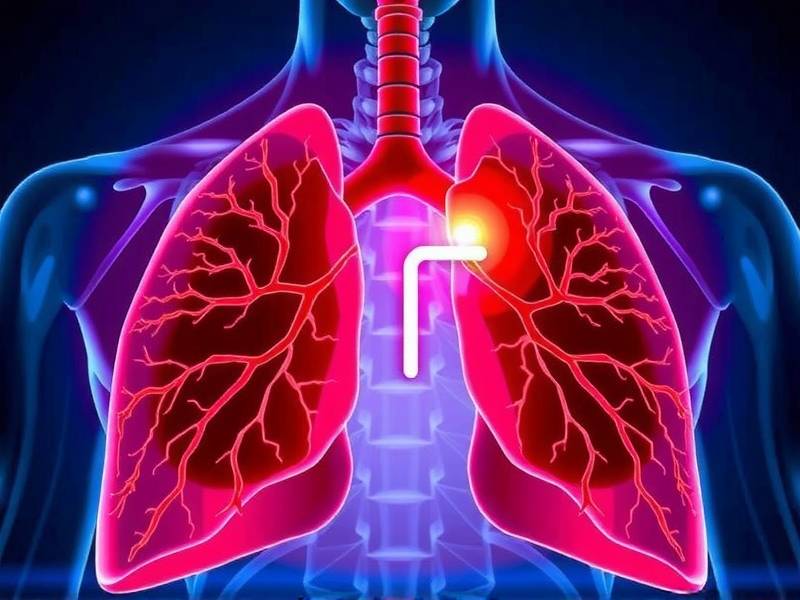
Cilia Recovery: The tiny hair-like structures in your lungs called cilia help remove mucus. When you smoke, these cilia become damaged or paralyzed. Quitting smoking allows them to recover and start clearing out the accumulated mucus.
-
Inflammation Reduction: Smoking causes inflammation in the lungs. Quitting helps reduce this inflammation, which can lead to improved lung function.
-
Tissue Repair: Over time, the damaged tissue in your lungs can start to repair itself.
Full Healing: A Possibility?
While full healing may not be possible for all lung damage caused by smoking, significant improvements can be achieved. Studies have shown that even after many years of smoking, quitting can lead to substantial improvements in lung health.
Factors Affecting Healing
Several factors can influence how well your lungs heal:
- Duration and Amount of Smoking: The longer you smoked and the more you smoked per day, the more damage there may be.
- Age at Quitting: Quitting at a younger age generally results in better outcomes than quitting later in life.
- Genetic Factors: Some people may have genes that make them more susceptible to lung damage from smoking.
Taking Action
If you're ready to quit smoking, there are numerous resources available to help:
- Support Groups: Joining a support group can provide encouragement and advice from others who have been through similar journeys.
- Medications: There are medications available that can help reduce cravings and withdrawal symptoms.
- Therapy: Behavioral therapy or counseling can also be effective in helping you quit.
Conclusion
Quitting smoking is a challenging but rewarding decision. While full healing isn't guaranteed for all aspects of lung damage caused by smoking, taking this step significantly improves your chances of living a healthier life with better overall lung function. Remember, it's never too late to start this journey towards better health.