
Why Do I Get Bronchitis When I Quit Smoking? The Surprising Reasons You Need to Know
Why Do I Get Bronchitis When I Quit Smoking? The Surprising Reasons You Need to Know
Introduction: Quitting smoking is a significant step towards a healthier lifestyle, but it's not uncommon to experience unexpected health issues during the process. One such issue is bronchitis, which can surprise many former smokers. In this article, we delve into the surprising reasons why you might get bronchitis when you quit smoking and provide valuable insights to help you navigate through this phase.
Understanding Bronchitis: A Brief Overview
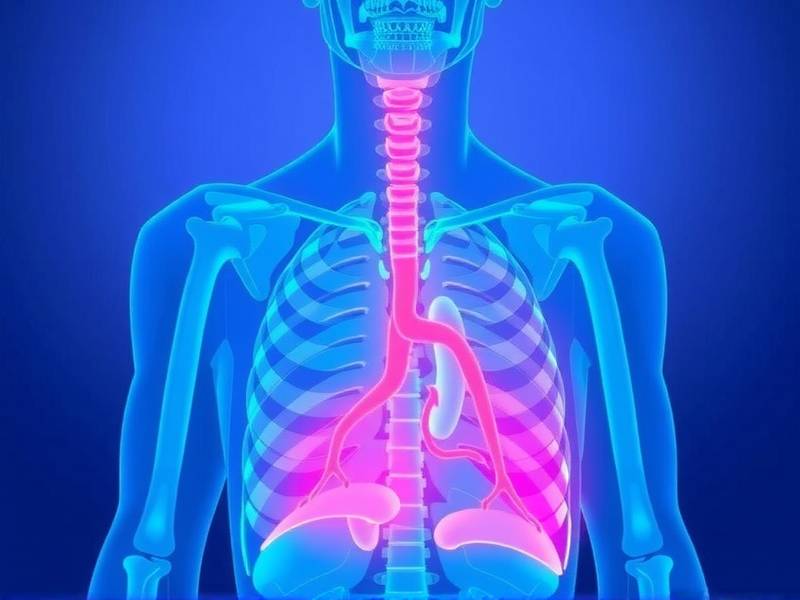
Bronchitis is an inflammation of the bronchi, which are the airways that carry air to and from your lungs. It can be acute or chronic, with acute bronchitis usually caused by viral infections and chronic bronchitis often resulting from long-term exposure to irritants like smoke.
The Link Between Smoking and Bronchitis
It's no secret that smoking can lead to chronic bronchitis over time due to the harmful substances in tobacco smoke that irritate and damage the lining of your airways. However, many people are surprised to learn that they can experience bronchitis even after quitting smoking.
Surprising Reasons for Bronchitis After Quitting Smoking
-
Residual Irritation: Even after quitting smoking, the respiratory system may still be sensitive to irritants such as dust, pollen, or pollution. This sensitivity can trigger an inflammatory response similar to what occurs during chronic bronchitis.
-
Coughing Reflex: When you quit smoking, your body starts healing from the years of damage caused by tobacco smoke. This healing process often involves a more intense coughing reflex as your body tries to clear out mucus and debris from the lungs.
-
Increased Sensitivity: As your lungs begin to heal, they may become more sensitive to allergens and irritants than before. This heightened sensitivity can lead to inflammation and subsequent bronchitis.
-
Viral Infections: Quitting smoking can boost your immune system over time, but in the short term, it may make you more susceptible to viral infections like colds or flu, which can trigger acute bronchitis.
-
Airway Remodeling: The airways may undergo changes as they heal from years of smoking damage. These changes can make them more prone to inflammation and infection.
How to Manage Bronchitis After Quitting Smoking
-
Seek Professional Advice: Consult with a healthcare provider for personalized advice on managing your symptoms and preventing future episodes of bronchitis.
-
Avoid Irritants: Minimize exposure to dust, pollen, smoke (both secondhand and environmental), and other potential irritants that could exacerbate symptoms.
-
Stay Hydrated: Drink plenty of fluids throughout the day to help thin mucus and make it easier for your body to expel it.
-
Exercise Regularly: Engage in regular physical activity such as walking or swimming to improve lung function and overall health.
-
Mind Your Diet: A balanced diet rich in fruits, vegetables, whole grains, lean proteins, and healthy fats will provide essential nutrients for lung repair.
Conclusion:
While experiencing bronchitis after quitting smoking might be unexpected, it's a common part of the healing process for many former smokers. By understanding these surprising reasons behind this condition and taking appropriate steps towards managing it effectively, you'll be well on your way toward a healthier respiratory system and overall well-being.