
Why Am I More Out of Breath After Quitting Smoking? The Science Behind the Shortness of Breath
Why Am I More Out of Breath After Quitting Smoking? The Science Behind the Shortness of Breath
Introduction: Quitting smoking is a significant decision that brings about numerous health benefits. However, many individuals experience an unexpected challenge – shortness of breath. This article delves into the science behind this phenomenon and explains why it's common for smokers to feel more out of breath after quitting.
Understanding Shortness of Breath
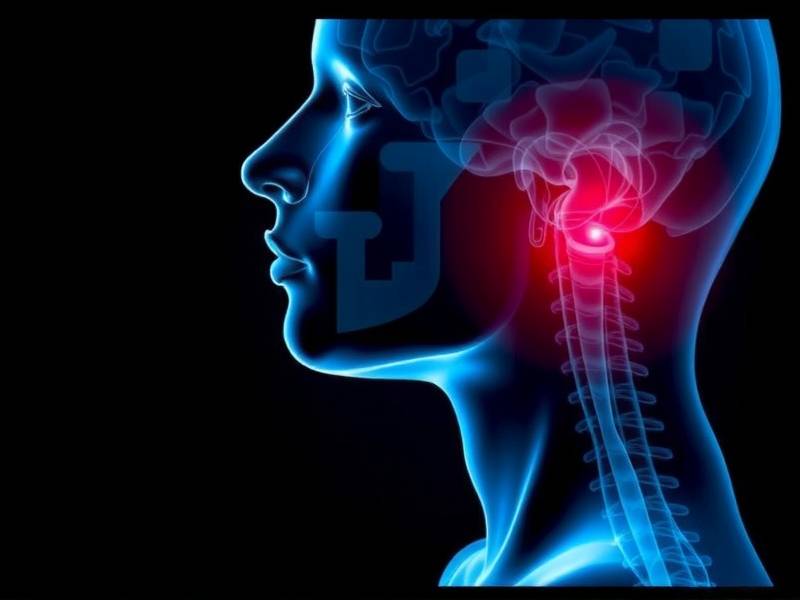
-
Cigarette Smoke and Lung Function Cigarette smoke contains thousands of harmful chemicals that damage the lungs over time. As a result, smokers often experience reduced lung capacity and compromised respiratory function. When you quit smoking, your body starts to repair itself, but it may take some time for your lung function to improve.
-
Bronchial Constriction Smoking causes the bronchial tubes to narrow, making it harder for air to flow in and out of the lungs. Quitting smoking can lead to temporary bronchial constriction as your body adjusts to the absence of smoke.
The Science Behind the Shortness of Breath
-
Increased Oxygen Demand When you stop smoking, your body starts to heal and repair damaged lung tissue. This process requires more oxygen than before, leading to an increased demand for oxygen intake. Consequently, you may feel more out of breath as your body works harder to meet this demand.

-
Improved Lung Capacity Over time, quitting smoking can lead to improved lung capacity. However, during the initial stages of recovery, you may notice a temporary decrease in lung function due to inflammation or other factors. This can make you feel more out of breath.
Dealing with Shortness of Breath
-
Stay Active Regular physical activity can help improve your lung capacity and reduce shortness of breath. Consider engaging in low-impact exercises such as walking or swimming.
-
Practice Deep Breathing Techniques Deep breathing exercises can help relax your bronchial muscles and improve airflow in your lungs. Try techniques such as diaphragmatic breathing or pursed-lip breathing.
-
Seek Professional Help If shortness of breath persists or worsens, consult a healthcare professional for guidance on managing this symptom effectively.
Conclusion: Feeling more out of breath after quitting smoking is a common experience due to the healing process occurring within your body. By understanding the science behind this phenomenon and taking appropriate measures, you can alleviate discomfort and continue on your journey towards better health and well-being. Remember that quitting smoking is a significant step towards improving your respiratory health – be patient with yourself as you adjust to life without cigarettes.