
Does Lung Cancer Risk Really Drop After Quitting Smoking?
Understanding the Dangers of Smoking and Lung Cancer
Smoking is a well-known risk factor for lung cancer, a disease that has claimed countless lives worldwide. It's no secret that quitting smoking can lead to significant health benefits. But how long does it take for the risk of lung cancer to decrease after you kick the habit? Let's delve into this topic and uncover the facts.
The Immediate Impact of Quitting Smoking
When you quit smoking, your body begins to heal almost immediately. According to the American Lung Association, within 20 minutes of quitting, your heart rate and blood pressure drop. Within 12 hours, carbon monoxide levels in your blood return to normal. After just two weeks, your circulation improves, and your lungs start to clear out mucus and other debris.
Long-term Health Benefits
While these immediate changes are impressive, the real question lies in how long it takes for the risk of lung cancer to decrease after quitting smoking. The good news is that the risk does indeed drop over time.
Early Years: A Steep Decline
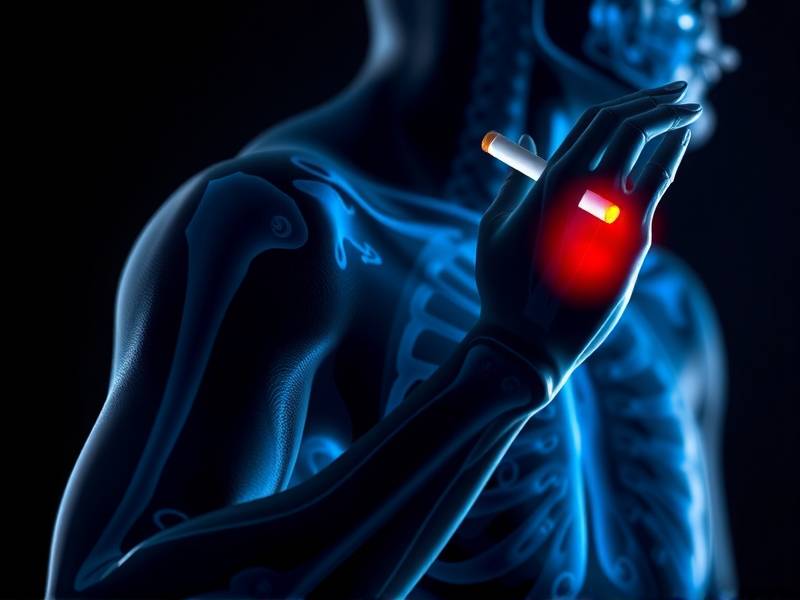
Within five years of quitting smoking, your risk of stroke drops by half. Between five and ten years after quitting, your risk of developing lung cancer is cut in half compared to continuing smokers. This significant reduction underscores the importance of quitting at any age.
Decades Ahead: Continued Improvement
As time goes on, your risk continues to decline even further. After 15 years of not smoking, your risk of heart disease is similar to that of a nonsmoker. By this point, most people have seen their lung cancer risk drop by about 90%.
Lifelong Benefits
It's essential to remember that while these statistics are promising, they do not mean you're completely immune from developing lung cancer after quitting smoking. However, compared to continuing smokers, ex-smokers have a much lower risk.
Factors That Influence Risk Reduction
Several factors can influence how quickly an individual's lung cancer risk decreases after quitting smoking:
- Duration of Smoking: The longer you smoked before quitting, the longer it may take for your risks to decrease.
- Amount Smoked: Heavy smokers may see a slower reduction in their risks compared to lighter smokers.
- Genetic Factors: Some individuals may be more susceptible to lung cancer than others.
- Exposure to Secondhand Smoke: If you were exposed to secondhand smoke before or after quitting smoking, it may also impact your risks.
Conclusion
Quitting smoking significantly reduces the risk of developing lung cancer over time. While it's never too late to quit smoking and reap these benefits, starting sooner rather than later is crucial for improving one's health outcomes.
Remember that every puff counts – if you're considering quitting or have already quit but are struggling with cravings or withdrawal symptoms, reach out for support from friends, family members, healthcare providers or support groups like Smokefree.gov or QuitNow.ca.
By taking control of your health and making positive lifestyle choices like avoiding secondhand smoke and maintaining a healthy diet and exercise routine alongside quitting smoking can help ensure you experience all the benefits associated with kicking the habit for good!