
Do Your Lungs Regenerate After Quitting Smoking?
Understanding the Impact of Smoking on the Lungs
Smoking is a habit that affects every part of the body, but none more so than the lungs. The question of whether lungs can regenerate after quitting smoking is a common concern among smokers looking to quit. This article delves into this topic, providing insights into lung regeneration and the benefits of quitting smoking.
The Science Behind Lung Regeneration
How Lungs Are Affected by Smoking
When you smoke, your lungs are exposed to harmful chemicals and toxins. Over time, these substances can lead to inflammation, scarring, and damage to the lung tissue. This damage can result in various respiratory issues, such as chronic bronchitis and emphysema.
Can Lungs Regenerate?
The good news is that your lungs have a remarkable ability to heal themselves. According to studies published by reputable health organizations like the American Lung Association, your lungs can begin to regenerate after quitting smoking.
The Process of Lung Regeneration
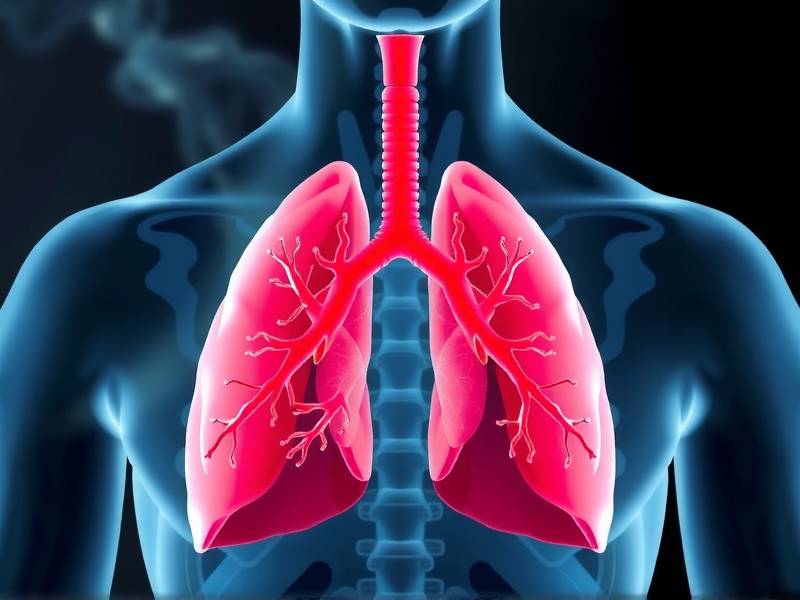
The process of lung regeneration involves several steps:
- Reduction in Inflammation: Quitting smoking reduces inflammation in your lungs.
- Elimination of Toxins: Your body starts to eliminate the toxins accumulated in your lungs.
- Growth of New Cells: Your body begins producing new cells to replace damaged ones.
- Improved Oxygen Supply: With reduced inflammation and fewer toxins, your lungs become more efficient at delivering oxygen to your body.
Benefits of Quitting Smoking for Your Lungs
Quitting smoking has numerous benefits for your lungs:
- Reduced Risk of Respiratory Diseases: Over time, quitting smoking can significantly reduce your risk of developing respiratory diseases like chronic bronchitis and emphysema.
- Improved Lung Function: Within a few weeks after quitting smoking, you may notice improvements in your lung function.
- Increased Oxygen Supply: As your lungs heal, they become more efficient at delivering oxygen to your body.
- Enhanced Immune System: A healthier immune system helps protect against infections that can affect the lungs.
How Long Does It Take for Lungs to Regenerate?
The time it takes for your lungs to regenerate after quitting smoking varies from person to person. Some individuals may see improvements within a few weeks or months, while others may take several years.
Key Factors Affecting Lung Regeneration
- Age and Overall Health: Younger individuals with better overall health may experience faster lung regeneration.
- Duration and Intensity of Smoking: The longer you smoked and the more cigarettes you smoked per day can affect how quickly your lungs regenerate.
- Environmental Factors: Exposure to pollutants or allergens can slow down lung regeneration.
Taking Steps Towards a Healthier Lifestyle
Quitting smoking is just one step towards improving lung health. Incorporating regular physical activity, eating a balanced diet rich in fruits and vegetables, and avoiding exposure to secondhand smoke can further enhance lung function.
Conclusion
Your lungs have an incredible ability to regenerate after quitting smoking. By taking this important step towards a healthier lifestyle, you're not only improving your respiratory health but also reducing the risk of developing serious respiratory diseases in the future. So why wait? Start today!