
How Do Lungs Heal When You Quit Smoking?
The Journey to Healing: How Your Lungs Restore Health After Quitting Smoking
Introduction: Quitting smoking is a monumental decision that not only improves one's health but also opens the door to a healthier life. One of the most profound changes that occur within the body after quitting smoking is the healing process of the lungs. This article delves into how lungs heal over time, offering hope and insights for those looking to kick the habit.
Understanding Lung Damage Smoking causes significant damage to the lungs, leading to conditions such as chronic bronchitis, emphysema, and an increased risk of lung cancer. The harmful chemicals in tobacco smoke can irritate and inflame lung tissue, leading to a gradual decline in lung function.
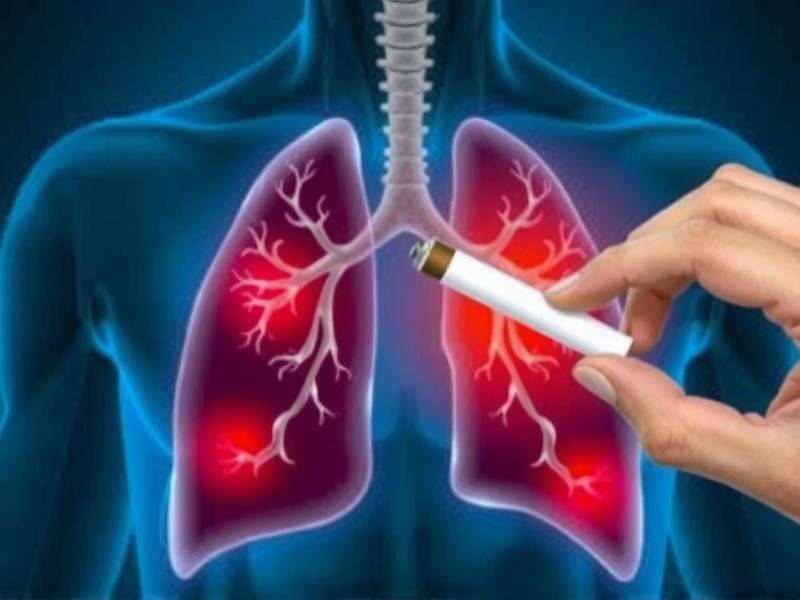
Immediate Changes Within hours of quitting smoking, your body begins its healing process. Carbon monoxide levels start to drop, allowing oxygen to flow more freely through your bloodstream. This immediate change can lead to increased energy levels and better overall health.
Weeks 1-3: Cleaning Out In the first few weeks after quitting, your body starts to clear out tar and other harmful substances that have accumulated in your lungs. You might experience coughing or phlegm as your body tries to expel these toxins. This stage is crucial for lung recovery.
Months 6-12: Strengthening After about six months, you'll notice a significant reduction in respiratory symptoms like coughing and shortness of breath. Your lung capacity starts to improve as the inflammation decreases. This period marks a substantial strengthening of lung function.
Years 5-10: Lowering Risks Over time, quitting smoking can significantly lower your risk of developing chronic obstructive pulmonary disease (COPD) and other smoking-related conditions. In fact, studies have shown that within five years of quitting, the risk of stroke is cut in half compared to continuing smokers.
Long-Term Healing: Decades Ahead The healing process doesn't end there. Over many years, former smokers can expect their lungs to continue improving as they approach life expectancy similar to non-smokers who never smoked.
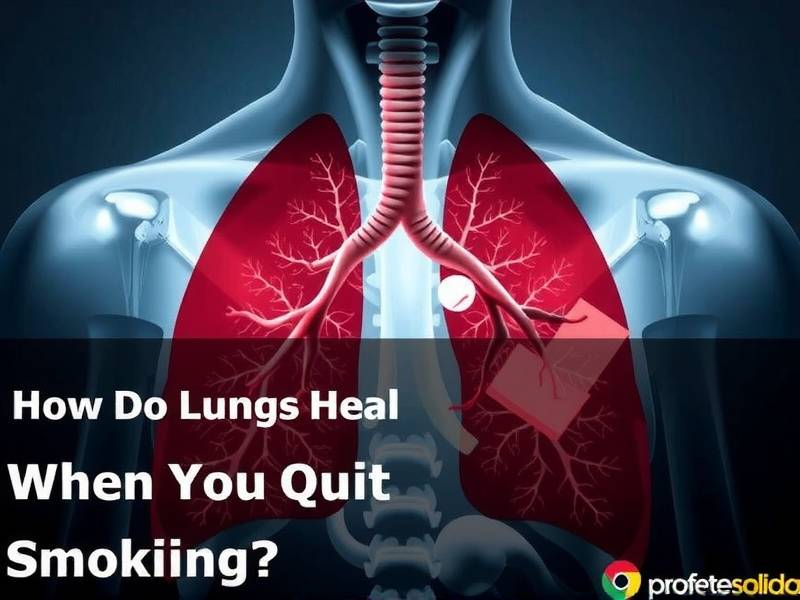
Tips for Lung Healing
- Stay hydrated: Drinking plenty of water helps flush out toxins from your body.
- Exercise regularly: Physical activity improves lung capacity and strengthens respiratory muscles.
- Avoid secondhand smoke: Exposure to二手烟 can hinder your lungs' healing process.
- Consider pulmonary rehabilitation: These programs are designed specifically for people with chronic respiratory diseases.
Conclusion: The journey towards healing after quitting smoking is gradual but rewarding. By understanding how your lungs heal over time, you can stay motivated and focused on maintaining a smoke-free lifestyle. Remember, every puff you don't take brings you one step closer to healthier lungs and a longer life.