
Does the Mucus Ever Go Away After Quitting Smoking?
Understanding the Post-Quitting Smoking Experience
Quitting smoking is a significant step towards improving one's health, but it often comes with a host of changes in the body. One common question that many former smokers have is whether the persistent mucus they experience after quitting will eventually go away. This article aims to explore this issue, providing insights and information to those who have embarked on their journey to quit smoking.
The Role of Mucus in Smokers
It's important to understand that mucus is a natural bodily defense mechanism. In smokers, however, the presence of tar and other harmful substances from tobacco smoke can lead to an overproduction of mucus. This excess mucus often feels thick and may be discolored, indicating the presence of toxins.
Changes Post-Quitting Smoking
When you quit smoking, your body begins to heal itself. The first few weeks after quitting can be challenging as your body starts to clear out the accumulated tar and toxins. This process often results in an increase in mucus production as your respiratory system tries to expel these substances.

How Long Does It Take for Mucus to Clear?
The duration it takes for mucus to clear after quitting smoking can vary from person to person. Some individuals may notice a significant reduction in mucus within a few weeks, while others might experience it for several months.
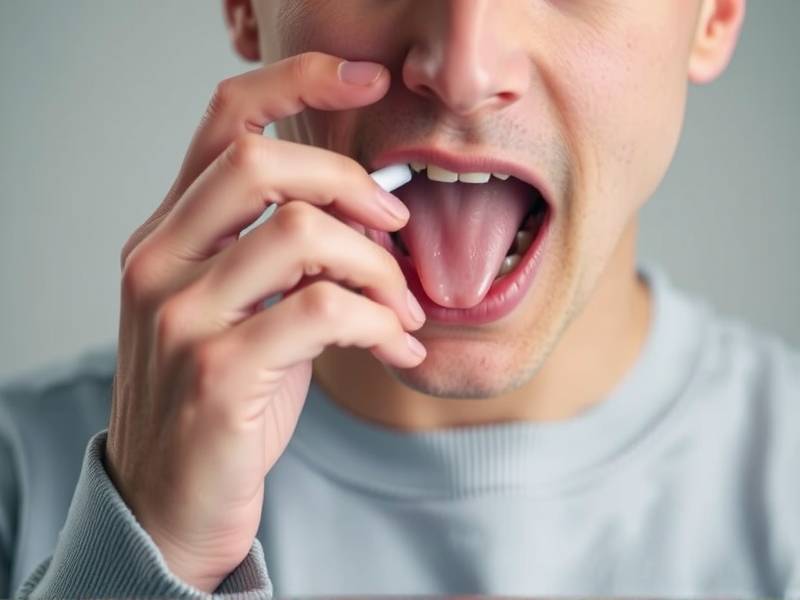
Factors Affecting Mucus Clearance
- Duration of Smoking: The longer you smoked, the more time it might take for your body to clear out all the accumulated toxins.
- Overall Health: Your general health status can also play a role. Individuals with pre-existing respiratory conditions may experience more prolonged symptoms.
- Environmental Factors: Exposure to pollutants or allergens can exacerbate mucus production.
Tips for Managing Post-Quitting Mucus
Here are some strategies that might help you manage excess mucus after quitting smoking:
- Stay Hydrated: Drinking plenty of water can help thin out mucus.
- Gargle with Salt Water: This can help soothe your throat and reduce inflammation.
- Use Humidifiers: Adding moisture to the air can make breathing easier.
- Exercise Regularly: Physical activity promotes better lung function and helps clear out toxins.
Conclusion
While there is no one-size-fits-all answer to when exactly the mucus will go away after quitting smoking, most individuals find that their respiratory system improves over time. Patience and consistent efforts towards maintaining a smoke-free lifestyle are key components of this process.
Remember, every step towards quitting smoking is a step towards better health. If you're struggling with post-quitting symptoms like excessive mucus, don't hesitate to consult with healthcare professionals for personalized advice and support.