
How Long After Quitting Smoking Will My Lungs Feel Better?
The Journey to Healthier Lungs: How Long After Quitting Smoking Will You Notice Improvement?
Introduction: The decision to quit smoking is a monumental step towards a healthier life. Many smokers wonder how long it will take for their lungs to start feeling better after they quit. In this article, we'll explore the timeline of lung recovery and the factors that influence it.
Understanding Lung Recovery When you quit smoking, your lungs begin to repair themselves immediately. However, the process of regaining lung health can vary from person to person. Several factors come into play, including the duration and intensity of smoking, overall health status, and lifestyle choices.
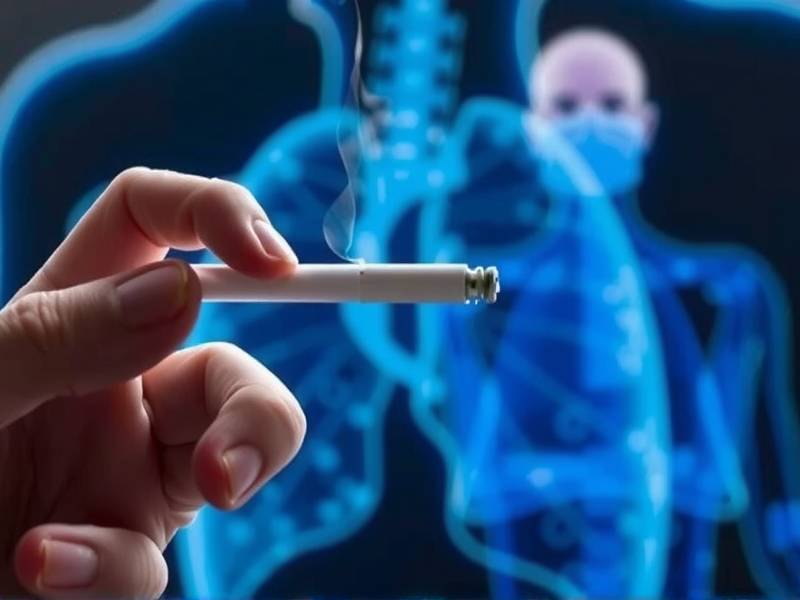
Immediate Benefits Within hours of quitting, your body starts to experience changes. Carbon monoxide levels in your blood decrease, allowing your blood to carry more oxygen. This can lead to an immediate boost in energy and a clearer sense of taste and smell.
One Month After Quitting After about one month without smoking, you may notice some significant improvements. Your lung capacity begins to increase as the cilia (tiny hair-like structures in your lungs) start to regrow and clear out mucus more effectively. Breathing becomes easier, and you may feel less short of breath during physical activities.
Three Months Post-Quit At around three months post-quit, many individuals report that their coughing decreases significantly. The inflammation in the airways begins to reduce, leading to fewer respiratory infections and a general improvement in respiratory function.
Six Months After Quitting By six months after quitting smoking, you'll likely experience continued improvement in lung function. Your lung capacity can increase by as much as 10%, making it easier for you to engage in physical activities without getting winded.
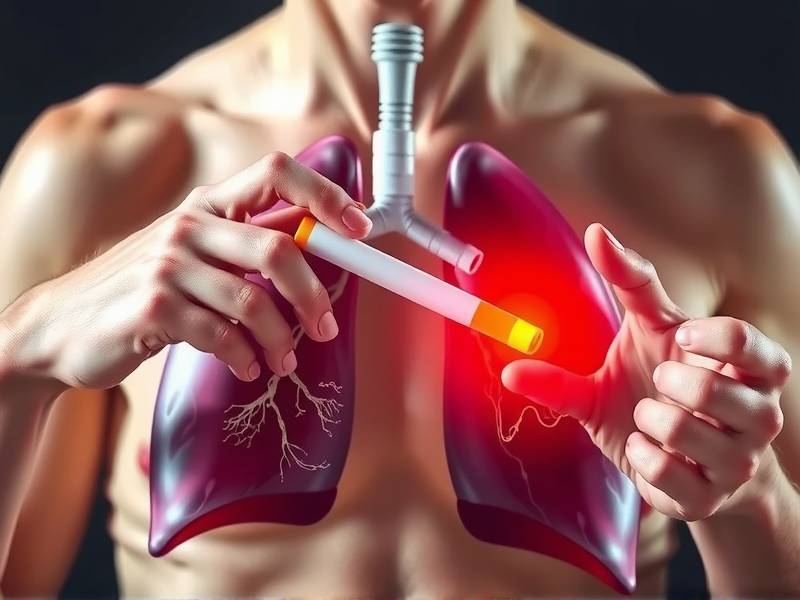
One Year After Quitting After one year without smoking, your risk of heart disease decreases significantly compared to when you were still smoking. Your lungs continue to heal and regenerate cells at this stage.
Long-Term Recovery The process of full lung recovery can take several years after quitting smoking. Over time, the risk of developing chronic obstructive pulmonary disease (COPD), emphysema, or lung cancer decreases as your lungs continue to repair themselves.
Factors Influencing Lung Recovery
- Duration of Smoking: The longer you smoked or the more cigarettes you smoked per day before quitting, the longer it may take for your lungs to recover.
- Overall Health: Smokers with existing health conditions may experience slower recovery than those who are generally healthy.
- Lifestyle Choices: Staying active and maintaining a healthy diet can accelerate lung recovery.
- Environmental Factors: Exposure to pollutants or secondhand smoke can hinder recovery.
Conclusion: The journey towards healthier lungs after quitting smoking is a gradual process that varies from person to person. While immediate benefits are noticeable within hours or days, significant improvements typically occur within months after quitting. By making informed choices and maintaining a healthy lifestyle, individuals can support their lungs' natural healing process over time. Remember that every day without smoking is a step towards better health!