
What Is a Lung Exacerbation After Quitting Smoking?
Understanding Lung Exacerbation: What It Means for Smokers Who Quit
Introduction: Quitting smoking is a significant step towards improving one's health. However, the journey to a smoke-free life can sometimes be challenging. One common concern among ex-smokers is the occurrence of lung exacerbation after quitting. In this article, we aim to shed light on what lung exacerbation is and its implications for individuals who have quit smoking.
What is a Lung Exacerbation?
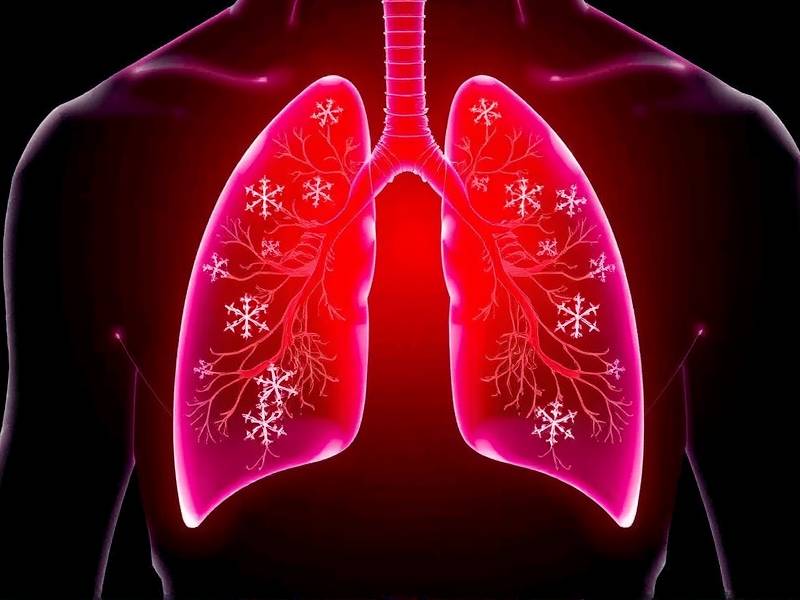
A lung exacerbation refers to a sudden worsening of respiratory symptoms in someone with chronic respiratory conditions such as chronic obstructive pulmonary disease (COPD), asthma, or bronchitis. For ex-smokers, this condition can arise after they have quit smoking, as their bodies continue to heal from the years of tobacco exposure.
Common Symptoms of Lung Exacerbation:
The symptoms of lung exacerbation may vary depending on the underlying condition but can include:
- Shortness of breath
- Chest tightness or pain
- Wheezing
- Coughing, sometimes producing sputum
- Fatigue
It's important to note that these symptoms are not exclusive to lung exacerbations and may also be caused by other conditions. Therefore, it's crucial for ex-smokers experiencing these symptoms to consult with their healthcare provider for an accurate diagnosis.
Why Do Ex-Smokers Experience Lung Exacerbations?
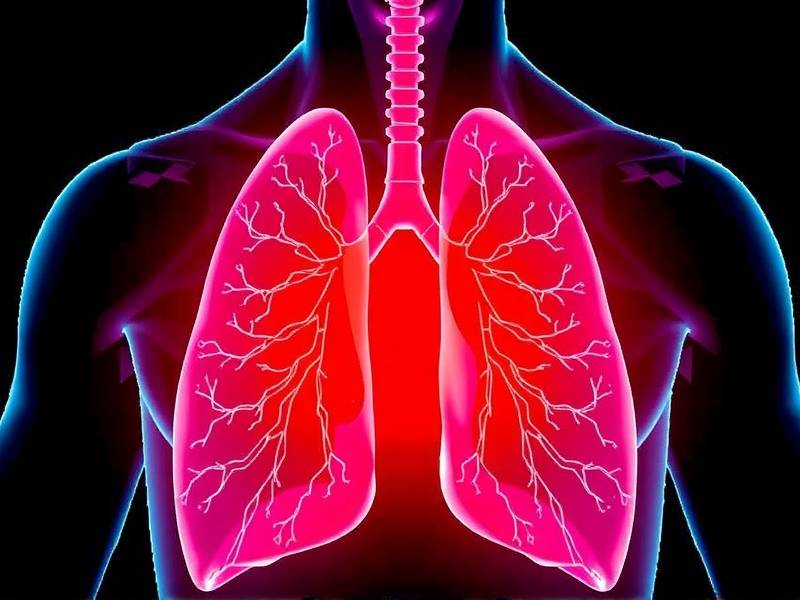
The primary reason why ex-smokers might experience lung exacerbations is due to the ongoing healing process of their lungs after quitting smoking. While quitting smoking significantly reduces the risk of developing respiratory diseases and improves overall lung function, it takes time for the lungs to fully recover from years of damage caused by tobacco smoke.
During this healing process, ex-smokers may occasionally experience flare-ups or exacerbations as their bodies continue to rid themselves of harmful substances and rebuild damaged tissues.
How Can Ex-Smokers Manage Lung Exacerbations?
To manage lung exacerbations effectively, ex-smokers should take the following steps:
- Consult with their healthcare provider: It's essential for ex-smokers experiencing symptoms of lung exacerbation to seek medical advice promptly.
- Follow prescribed treatment plans: Healthcare providers may recommend medication or other interventions tailored to an individual's specific needs.
- Practice good respiratory hygiene: Regularly practicing deep breathing exercises and using humidifiers can help improve lung function and reduce symptoms.
- Avoid triggers: Identify and avoid known triggers such as allergens, irritants, or pollutants that may worsen respiratory symptoms.
Conclusion:
Lung exacerbation is a common concern among ex-smokers as their bodies heal from years of tobacco exposure. By understanding the causes and symptoms of this condition, ex-smokers can take proactive steps towards managing it effectively. Remember that quitting smoking is a significant step towards better health; seeking professional advice and maintaining good respiratory hygiene can help mitigate potential complications during the healing process.