
What Happens to Your Lungs Once You Quit Smoking: A Comprehensive Guide
What Happens to Your Lungs Once You Quit Smoking: A Comprehensive Guide
Introduction: Quitting smoking is a significant decision that can lead to numerous health benefits. One of the most crucial benefits is the improvement of lung health. This comprehensive guide will delve into the changes that occur in your lungs after you quit smoking, offering you hope and motivation to take that first step towards a healthier life.
I. The Immediate Impact of Quitting Smoking on Your Lungs
-
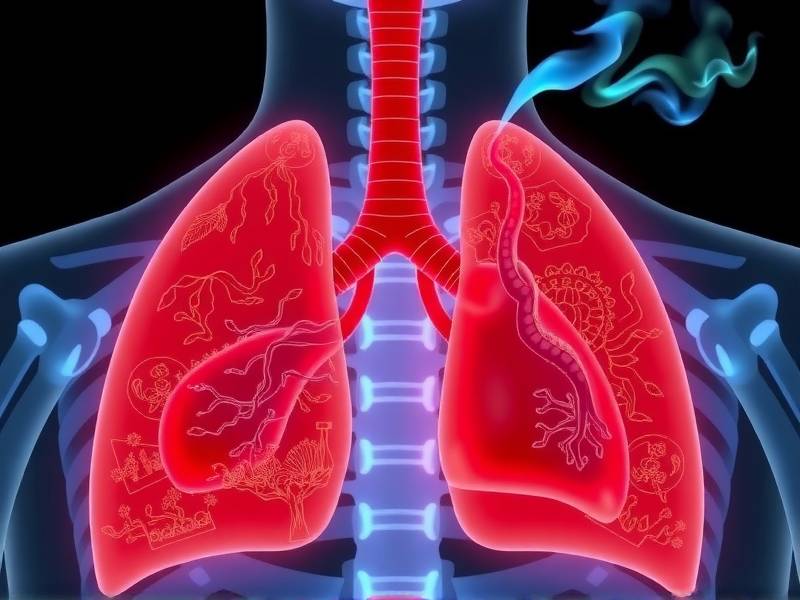
Reduced Carbon Monoxide Levels When you quit smoking, your blood's carbon monoxide levels start to decrease rapidly. Carbon monoxide is a harmful gas found in cigarette smoke that binds to hemoglobin, reducing its ability to carry oxygen throughout your body. As carbon monoxide levels drop, your body's oxygen-carrying capacity improves, leading to enhanced energy levels and overall well-being.
-
Improved Lung Function Within a few weeks of quitting smoking, you'll notice an improvement in lung function. The airways begin to relax, and inflammation decreases, making it easier for air to flow in and out of your lungs. This can result in reduced shortness of breath and a decrease in the frequency of respiratory infections.
II. Long-Term Benefits for Your Lungs
-
Reduced Risk of Chronic Obstructive Pulmonary Disease (COPD) Smoking is a leading cause of COPD, a progressive lung disease characterized by difficulty breathing due to narrowed airways and damaged lung tissue. By quitting smoking, you significantly reduce your risk of developing COPD and slow down its progression if you already have it.
-
Lower Risk of Lung Cancer Quitting smoking dramatically reduces your risk of developing lung cancer, one of the most deadly forms of cancer. The longer you stay smoke-free, the lower your risk becomes.
-
Improved Quality of Life As your lungs heal and become healthier over time, you'll experience improved quality of life. You'll have more energy for daily activities, enjoy better sleep quality, and feel more confident about participating in physical activities.
III. Supporting Your Lung Health After Quitting Smoking
-
Regular Exercise Engaging in regular exercise helps improve lung capacity and strengthens the respiratory muscles. Activities such as walking, jogging, swimming, or cycling can be beneficial.
-
Breathing Exercises Practicing breathing exercises can help enhance lung function by increasing lung capacity and improving oxygenation within the body.
-
Avoiding Secondhand Smoke Exposure to secondhand smoke can hinder your lungs' healing process after quitting smoking. It's crucial to avoid environments where secondhand smoke is present.
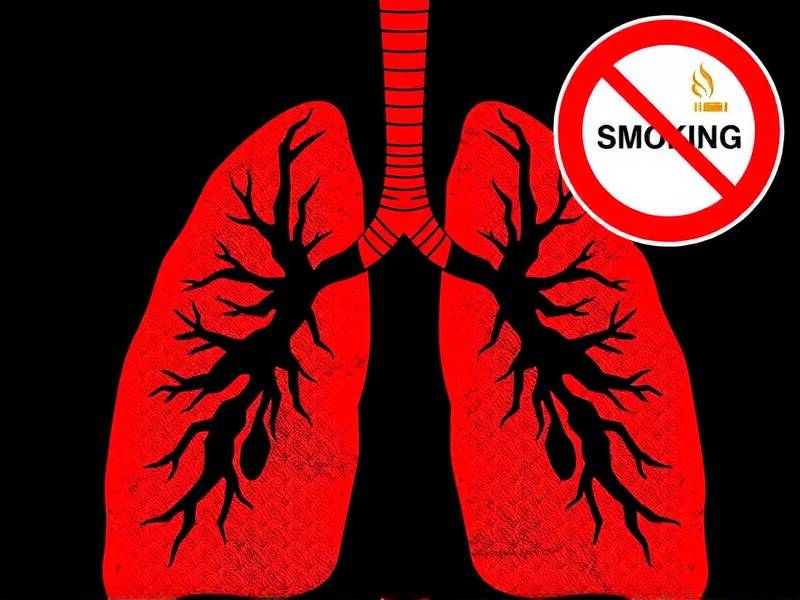
Conclusion: Quitting smoking has numerous benefits for your lungs and overall health. By understanding what happens to your lungs once you quit smoking, you'll be motivated to take that critical step towards a smoke-free life. Remember that each day without smoking brings you one step closer to improved lung health and a healthier future!