
Does Quitting Smoking Make You Sad? The Truth About Emotional Changes After Smoking Cessation
Understanding the Emotional Rollercoaster
Quitting smoking is a significant step towards a healthier lifestyle. However, many smokers find that this journey comes with unexpected emotional challenges. One of the most common concerns is whether quitting smoking can lead to sadness. Let's delve into this topic and uncover the truth about emotional changes after smoking cessation.
The Psychological Impact of Smoking
Smoking has been linked to various psychological benefits for some individuals, such as stress relief, relaxation, and a sense of control. When you quit smoking, these psychological benefits disappear abruptly, leading to a range of emotions.
Withdrawal Symptoms and Mood Swings
One of the primary reasons why quitting smoking can make you feel sad is due to withdrawal symptoms. These symptoms include irritability, anxiety, and mood swings. As your body adjusts to the absence of nicotine, it's normal to experience these emotional changes.
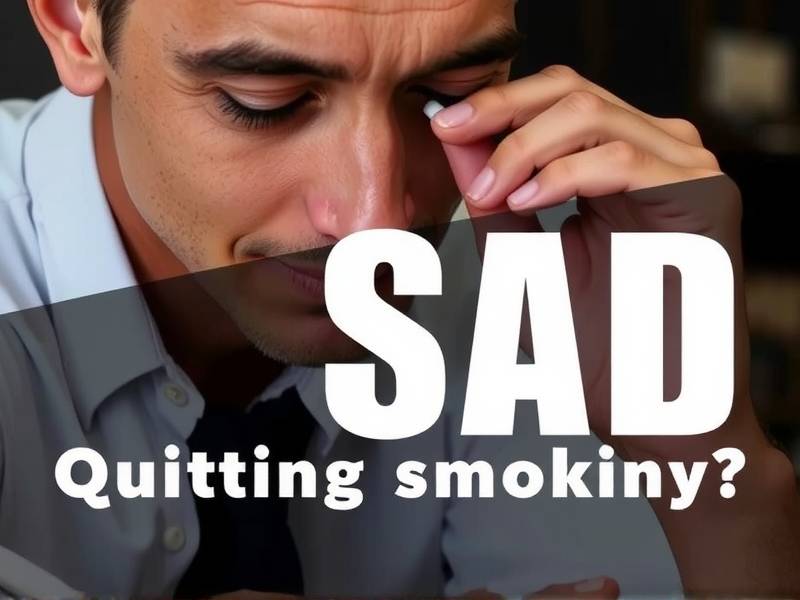
Sadness: A Temporary Phase
It's important to remember that sadness after quitting smoking is usually a temporary phase. The duration and intensity of these emotions can vary from person to person. Here are some tips to help you navigate through this challenging period:

Seek Support
Connecting with others who have experienced similar challenges can be incredibly beneficial. Joining support groups or seeking professional help from a therapist can provide you with the guidance and encouragement you need.
Stay Active
Physical activity releases endorphins, which are natural mood lifters. Engaging in regular exercise or other activities you enjoy can help improve your mood and distract you from cravings.
Focus on Your Goals
Remind yourself why you decided to quit smoking in the first place. Keep your goals in mind and celebrate small victories along the way.
The Long-Term Benefits of Quitting Smoking
While it may be challenging to cope with sadness during the initial stages of quitting smoking, it's crucial to remember that the long-term benefits outweigh any temporary emotional difficulties.
Improved Health and Quality of Life
Quitting smoking can lead to significant improvements in your health, including reduced risk of heart disease, stroke, and various types of cancer. This improved health will enhance your overall quality of life.
Enhanced Self-Esteem
As you overcome the challenges associated with quitting smoking, you'll likely experience an increase in self-esteem and confidence.
Conclusion
In conclusion, sadness is a common emotion experienced by many individuals during the process of quitting smoking. While it may seem overwhelming at times, it's essential to remember that these feelings are temporary. By seeking support, staying active, focusing on your goals, and keeping in mind the long-term benefits of quitting smoking, you'll be able to navigate through this emotional rollercoaster more effectively. Remember that every step towards a smoke-free life is a step towards better health and happiness.