
How Does Quitting Smoking Help the Brain?
"Unlocking the Brain's Potential: The Impact of Quitting Smoking"
Introduction: The act of quitting smoking is not only beneficial for the body but also for the brain. As we delve into the science behind this transformation, it becomes apparent that the brain experiences remarkable changes as one embarks on a smoke-free journey. In this article, we explore how quitting smoking helps the brain and sheds light on the numerous cognitive benefits that await those who make this life-changing decision.
I. The Immediate Detoxification Process When an individual decides to quit smoking, their body begins an immediate detoxification process. This process involves eliminating harmful chemicals and toxins that accumulate in the brain over time. By removing these substances, the brain can start to heal and regenerate, leading to improved cognitive functions.
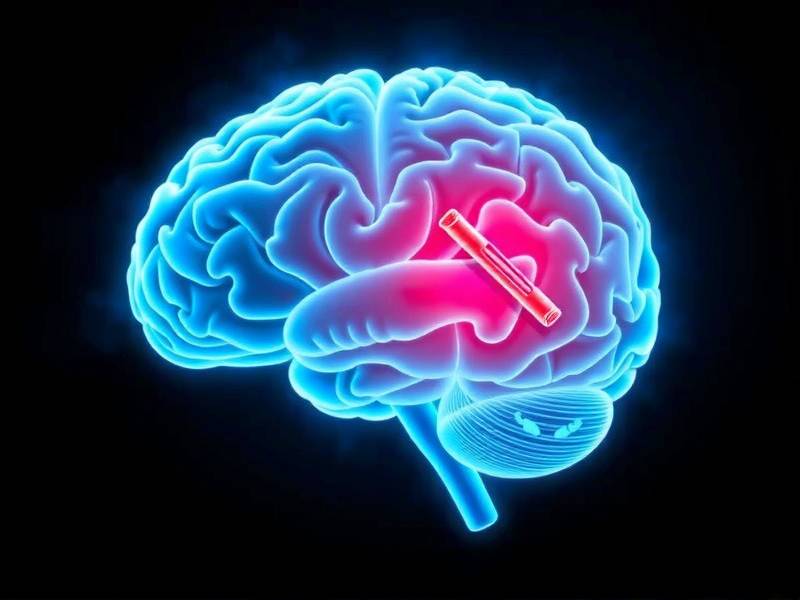
II. Enhanced Cognitive Abilities One of the most significant benefits of quitting smoking is improved cognitive abilities. Research has shown that individuals who quit smoking experience enhanced memory, attention, and concentration levels. This is due to the fact that nicotine, a key component of tobacco products, affects neurotransmitters in the brain responsible for these functions.
III. Improved Brain Health Quitting smoking also has a positive impact on brain health by reducing the risk of age-related cognitive decline and neurodegenerative diseases such as Alzheimer's and Parkinson's disease. The removal of harmful chemicals from the body helps maintain healthy blood flow to the brain, which is crucial for overall cognitive function.
IV. Increased Neuroplasticity Neuroplasticity refers to the brain's ability to change and adapt throughout one's lifetime. Quitting smoking promotes neuroplasticity by allowing neural pathways to regenerate and reconnect. This process can lead to improved learning capabilities, better problem-solving skills, and increased creativity.
V. Reduced Risk of Stroke Smoking increases one's risk of stroke due to its harmful effects on blood vessels in the brain. By quitting smoking, individuals lower their chances of experiencing a stroke, which can have severe consequences for cognitive function.
VI. Enhanced Mood and Mental Health Quitting smoking has been linked to improved mood and mental health due to its impact on neurotransmitters like dopamine and serotonin in the brain. These neurotransmitters play a crucial role in regulating mood and stress levels, making it easier for individuals to manage cravings and withdrawal symptoms during their smoke-free journey.
Conclusion: In conclusion, quitting smoking offers numerous benefits for both physical health and mental well-being, particularly when it comes to enhancing cognitive functions in the brain. By removing harmful toxins from their bodies, individuals can experience improved memory, attention span, concentration levels, mood stability, and overall mental health. Embracing a smoke-free lifestyle is not only beneficial for personal well-being but also contributes positively towards societal health outcomes as well.