
How Your Body Heals Itself After Quitting Smoking: The Science Behind the Recovery Process
The Journey to a Healthier You
Quitting smoking is a significant step towards a healthier lifestyle. Many smokers are eager to understand how their bodies recover once they've made this life-changing decision. This article delves into the science behind the healing process, offering insights into how your body transforms itself after quitting smoking.
Immediate Benefits
1. Improved Oxygen Supply
As soon as you quit smoking, your body starts to heal. One of the first changes you'll notice is an improved oxygen supply to your body's tissues. This is because carbon monoxide, which is produced when you inhale smoke, binds to hemoglobin in your blood and reduces its ability to carry oxygen.
2. Enhanced Taste and Smell
Within days of quitting, you'll likely notice an improvement in your sense of taste and smell. This is because the chemicals in tobacco smoke can affect these senses over time.
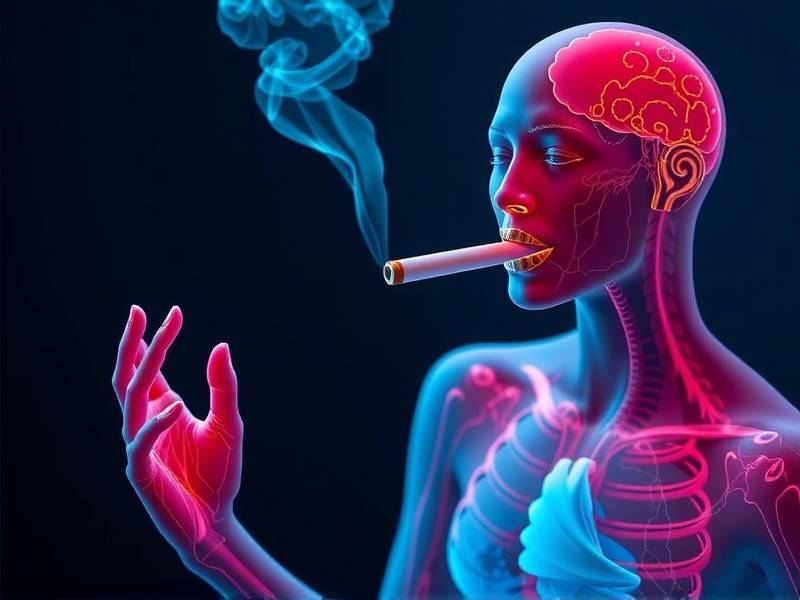
Short-Term Recovery
1. Reduced Risk of Heart Disease
Within a few weeks after quitting, your heart rate and blood pressure begin to drop as your body recovers from the constant stress caused by smoking.
2. Improved Lung Function
Your lungs start to repair themselves almost immediately after you quit smoking. Within a few months, you may notice an increase in lung capacity and a decrease in coughing and phlegm production.
Long-Term Recovery
1. Decreased Risk of Cancer
Over time, quitting smoking significantly reduces your risk of developing various types of cancer, including lung cancer, throat cancer, and esophageal cancer.
2. Heart Health Improvement
Within five years of quitting, your risk of heart disease decreases by half compared to continuing smokers.
The Science Behind the Healing Process
The healing process after quitting smoking involves several biological mechanisms:
1. Removal of Toxins
Your body works hard to remove harmful substances from your tissues and bloodstream once you quit smoking. This includes nicotine and other toxic chemicals found in tobacco smoke.
2. Repair of Damaged Cells
Cells damaged by smoking can begin to repair themselves once exposure to toxins stops. This includes cells in the lungs, heart, blood vessels, and other organs.

3. Improved Immune System
Quitting smoking strengthens your immune system by reducing inflammation and improving overall immune function.
Conclusion
The journey towards recovery after quitting smoking is both challenging and rewarding. By understanding how your body heals itself after quitting, you can stay motivated on this transformative path towards better health.
Remember that every day without a cigarette brings you one step closer to a healthier life filled with more energy, better health outcomes, and improved quality of life.