
How to Help Your Lungs After Quitting Smoking: Effective Methods for Lung Health
How to Help Your Lungs After Quitting Smoking: Effective Methods for Lung Health
Introduction: Quitting smoking is a significant step towards improving one's health, but the journey doesn't end there. The lungs, having suffered from years of smoke exposure, require additional care and attention to recover. In this article, we will explore effective methods to help your lungs heal after quitting smoking, ensuring a healthier future.
-
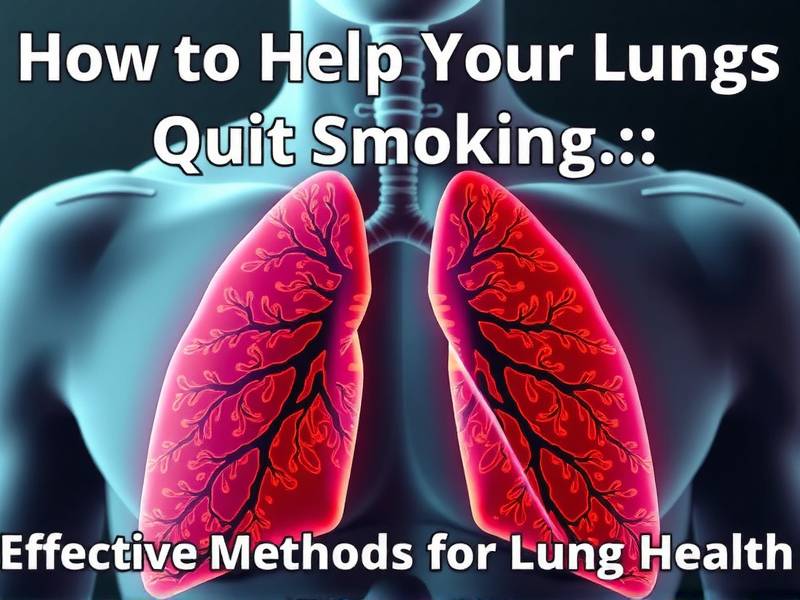
Understanding the Damage: It's essential to understand the extent of lung damage caused by smoking. Cigarette smoke contains over 7,000 chemicals, many of which are toxic and harmful to the lungs. Prolonged exposure can lead to chronic obstructive pulmonary disease (COPD), emphysema, and lung cancer.
-
Start with a Healthy Diet: A balanced diet rich in fruits, vegetables, whole grains, lean proteins, and healthy fats can help repair lung tissue and boost overall health. Vitamin C and E are antioxidants that protect against oxidative stress caused by smoking.
-
Stay Hydrated: Drinking plenty of water helps flush out toxins from your body and keeps your lungs hydrated. Aim for at least eight glasses a day.
-
Practice Deep Breathing Exercises: Deep breathing exercises can improve lung capacity and promote better oxygen exchange in the lungs. Techniques like pranayama or diaphragmatic breathing can be beneficial.
-
Exercise Regularly: Physical activity increases lung function and helps clear out mucus from the respiratory tract. Engaging in activities like walking, swimming, or cycling can significantly improve lung health.
-
Avoid Exposure to Pollutants: Limit your exposure to environmental pollutants such as dust, pollen, smoke from wood-burning stoves or vehicles, and other irritants that can worsen lung conditions.
-
Consider Pulmonary Rehabilitation: Pulmonary rehabilitation programs are designed specifically for individuals with chronic respiratory conditions like COPD or emphysema. These programs combine exercise training with education on managing symptoms and improving overall quality of life.
-
Seek Professional Help: Consulting healthcare professionals can provide personalized advice on how to best support your lungs after quitting smoking. They may recommend pulmonary function tests or other diagnostic procedures to monitor your progress.
-
Stay Smoke-Free: The most crucial step in helping your lungs heal is maintaining a smoke-free environment both at home and work.
Conclusion: Recovering your lungs after quitting smoking requires dedication and patience but is definitely achievable with these effective methods for lung health. By adopting these lifestyle changes and seeking professional guidance when needed, you'll be well on your way to enjoying a healthier life free from the dangers of smoking-related diseases.