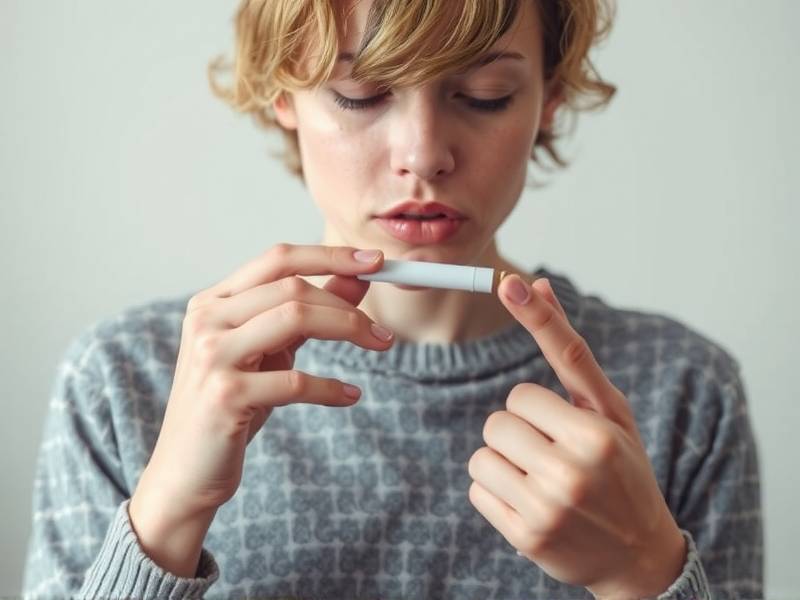
When You Quit Smoking and Start Coughing Up Phlegm: What to Do
When You Quit Smoking and Start Coughing Up Phlegm: What to Do
Introduction: Quitting smoking is a significant step towards a healthier lifestyle. However, it's not uncommon to experience coughing and phlegm production as your body begins to heal. This article will guide you on what to do when you quit smoking and start coughing up phlegm, providing you with information and tips to make this transition smoother.
-
Understanding the Cough and Phlegm When you quit smoking, your body starts to cleanse itself of the harmful substances accumulated over the years. The coughing and phlegm are part of this cleansing process, as your lungs work to expel tar and mucus that have built up due to smoking.
-
Dealing with Coughing To manage the cough, consider the following tips:
a. Stay Hydrated: Drinking plenty of water helps thin the mucus in your lungs, making it easier to cough up. b. Use a Humidifier: Adding moisture to the air can soothe your throat and reduce coughing. c. Gargle with Salt Water: This natural remedy can help reduce inflammation in your throat. d. Avoid Irritants: Stay away from smoke, dust, or other allergens that may trigger your cough.
- Managing Phlegm Here are some strategies for dealing with increased phlegm production:
a. Deep Breathing Exercises: Practice deep breathing exercises such as diaphragmatic breathing to improve lung function and clear mucus. b. Steam Inhalation: Inhaling steam can help loosen mucus and make it easier to cough up. c. Chest Physiotherapy: If you're struggling with excessive phlegm, chest physiotherapy may be beneficial under the guidance of a healthcare professional. d. Over-the-Counter Remedies: Consider using over-the-counter medications such as expectorants or decongestants if recommended by a healthcare provider.
-
Seek Professional Advice If your cough persists or worsens despite trying these remedies, it's essential to consult a healthcare professional. They can assess your condition and provide appropriate treatment if necessary.
-
Support Your Journey Quitting smoking is challenging, but there are resources available to support you:
a. Nicotine Replacement Therapy (NRT): NRT products like patches, gum, or lozenges can help alleviate withdrawal symptoms. b. Counseling Services: Seek guidance from a counselor or therapist who specializes in smoking cessation. c. Support Groups: Joining a support group can provide emotional support and practical advice from others who have gone through similar experiences.
Conclusion: Coughing up phlegm when quitting smoking is a common occurrence as your body heals from years of smoking damage. By understanding the causes and implementing appropriate strategies for managing coughing and phlegm production, you can navigate this phase more comfortably on your journey towards a smoke-free life. Remember that seeking professional advice is crucial if symptoms persist or worsen, ensuring that you receive proper care during this transition period.