
What Really Happens in the First 12 Hours of Quitting Smoking?
Unveiling the Transformative First 12 Hours of Quitting Smoking
Introduction: Quitting smoking is a challenging endeavor, but understanding the immediate effects of cessation can provide motivation and insight. This article delves into the remarkable changes that occur within the first 12 hours of giving up cigarettes, offering a glimpse into the body's rapid response to freedom from tobacco.
The First Hour: Detoxification Begins In the first hour after smoking cessation, your body begins to undergo a series of rapid changes. The carbon monoxide levels in your blood start to drop as oxygen becomes more readily available to your cells. This initial shift is subtle but signifies the beginning of your body's detoxification process.
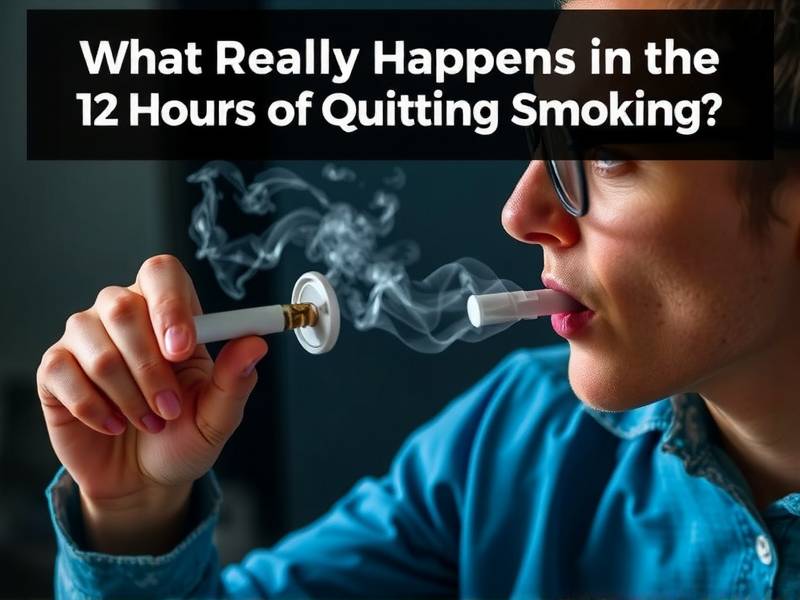
2-12 Hours: The Rush of Endorphins As the first few hours pass, your body releases endorphins in response to the absence of nicotine. These feel-good chemicals can help alleviate withdrawal symptoms, providing a temporary sense of relief. During this time, you may experience an increase in energy and a clearer sense of taste and smell.
3-4 Hours: Heart Rate and Blood Pressure Normalize Within three to four hours post-cessation, your heart rate and blood pressure begin to return to normal levels. The increased oxygen flow helps improve cardiovascular health, reducing the risk factors associated with smoking-related diseases.
5-8 Hours: Improved Brain Function After approximately five to eight hours without nicotine, your brain starts to clear out nicotine and its byproducts. This period often coincides with a noticeable improvement in cognitive function, including alertness and concentration.
9-12 Hours: A Soothing Sleep During this stage, many individuals report experiencing better sleep quality. The reduction in stress hormones like adrenaline helps promote relaxation and deeper sleep patterns.
Long-Term Benefits Begin to Emerge While these changes are significant within the first 12 hours, it's important to remember that quitting smoking is a long-term commitment. Over time, continued abstinence leads to even more profound benefits:
- 1 Week: Your risk of heart disease starts to decrease.
- 1 Month: Your circulation improves significantly.
- 3 Months: Your lung function begins to improve.
- 1 Year: The risk of coronary heart disease is halved compared to that of continuing smokers.
- 5 Years: Your stroke risk is reduced by half.
- 10 Years: Your risk of lung cancer is about half that of continuing smokers' risk.
Conclusion: The first 12 hours after quitting smoking mark the beginning of a transformative journey toward better health. Understanding these immediate effects can provide encouragement during challenging moments. Embrace each step as you take control over your health and well-being by making the powerful decision to quit smoking for good.