
Can My Lungs Really Recover After Quitting Smoking?
Introduction: The Power of Quitting
The decision to quit smoking is a monumental one, often driven by health concerns, financial considerations, or personal goals. One of the most common questions among smokers is whether their lungs can truly recover after quitting. This article delves into the science behind lung recovery and offers hope for those looking to improve their respiratory health.
The Immediate Impact of Quitting
When you quit smoking, your body begins to repair itself almost immediately. Within 20 minutes of your last cigarette, your heart rate and blood pressure start to drop. Within 12 hours, carbon monoxide levels in your blood return to normal. These are just the beginning stages of a remarkable transformation.
Short-Term Recovery: A New Breath
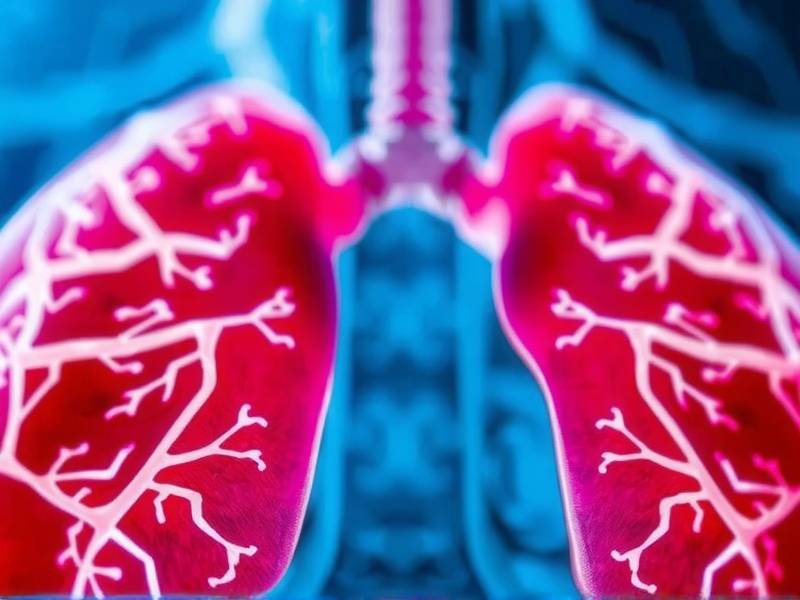
In the first few weeks after quitting, you might notice significant improvements in your breathing. Cilia, the tiny hair-like structures in your lungs that help clear mucus and debris, start to function better as they're no longer damaged by smoke. This can lead to increased energy levels and a general sense of well-being.
Long-Term Recovery: A Breath of Fresh Air
Over the long term, the benefits become even more pronounced. Here's what you can expect:
1. Reduced Risk of Chronic Diseases
Within 1-2 years of quitting, your risk of developing chronic bronchitis and emphysema decreases significantly compared to that of a continuing smoker.
2. Improved Lung Function
Within 5-15 years after quitting, your risk for heart disease is similar to that of a non-smoker. Your lungs continue to clear out mucus and debris more effectively.
3. Enhanced Quality of Life
Smokers who quit often report better overall health and a higher quality of life as their lungs continue to recover.
Emerging Research: The Potential for Full Recovery
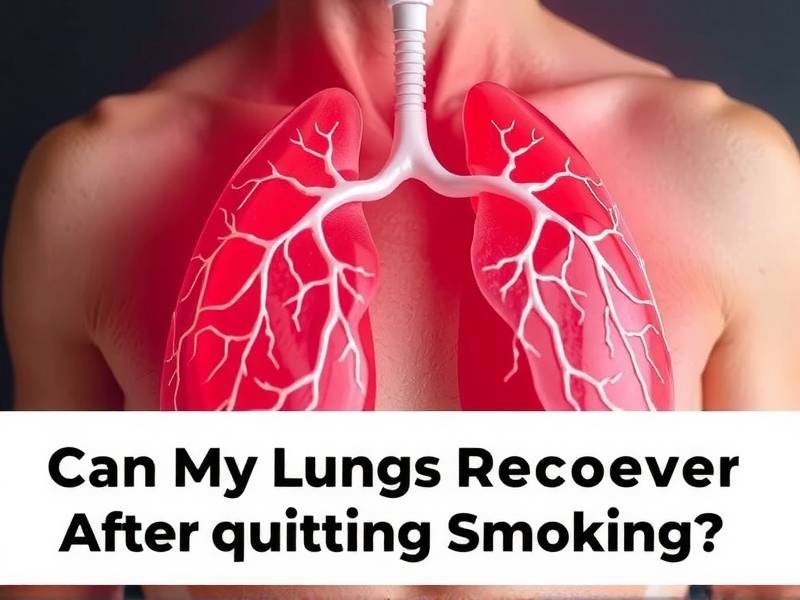
Recent studies have shown that even long-term smokers who quit can experience significant lung improvement over time. While complete reversal might not be possible for everyone due to extensive damage, the majority can still enjoy substantial recovery.
Real-Life Stories: Inspiration from Others
Hearing about others' experiences can be incredibly motivating. Many former smokers have shared their journeys online and through support groups, providing evidence that lungs can indeed recover after quitting.
How to Support Your Lung Recovery
- Stay Smoke-Free: The most critical step is maintaining your commitment to not smoke.
- Exercise Regularly: Physical activity helps improve lung capacity.
- Eat a Healthy Diet: Nutrients like vitamin C and antioxidants support lung health.
- Avoid Exposure: Stay away from secondhand smoke and pollution.
Conclusion: A Promise of Healthier Lungs
Quitting smoking is a powerful step towards healthier lungs and overall well-being. While recovery times vary from person to person, there's no denying the potential for improvement. If you're considering quitting or have already made the switch, remember that every day without smoking is a day closer to healthier lungs and a better life.
By taking proactive steps and staying committed, you're not just improving your own health but also setting an example for others who may be contemplating their own journey towards戒烟 success.