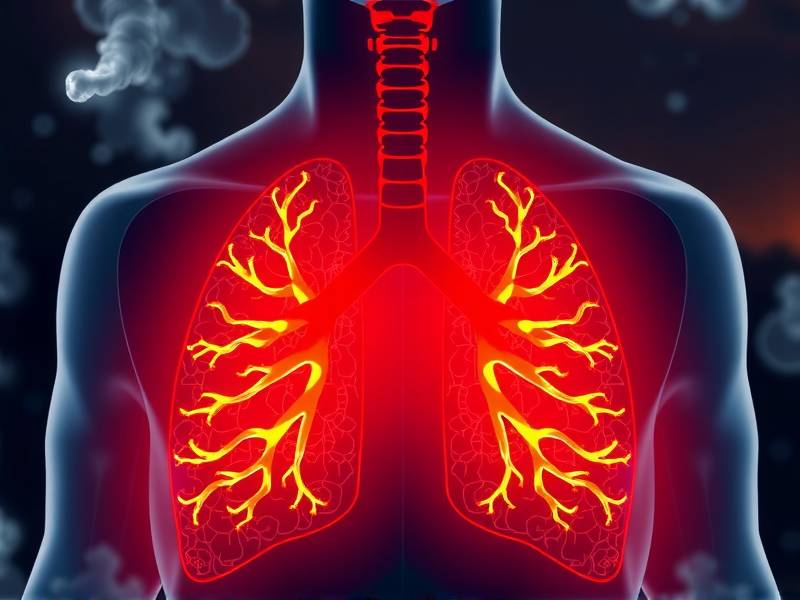
Why Do My Lungs Burn After I Quit Smoking? The Science Behind the Shortness of Breath
Why Do My Lungs Burn After I Quit Smoking? Unveiling the Science Behind Shortness of Breath
Introduction: Quitting smoking is a significant step towards a healthier lifestyle. However, many individuals experience discomfort, including lung burn and shortness of breath, after quitting. In this article, we delve into the science behind these symptoms and provide insights into why they occur.
Section 1: The Impact of Smoking on Lungs Smoking is a leading cause of lung damage and respiratory problems. When you inhale cigarette smoke, it contains thousands of harmful chemicals that can irritate and inflame your lungs. Over time, this chronic irritation leads to a weakened respiratory system.
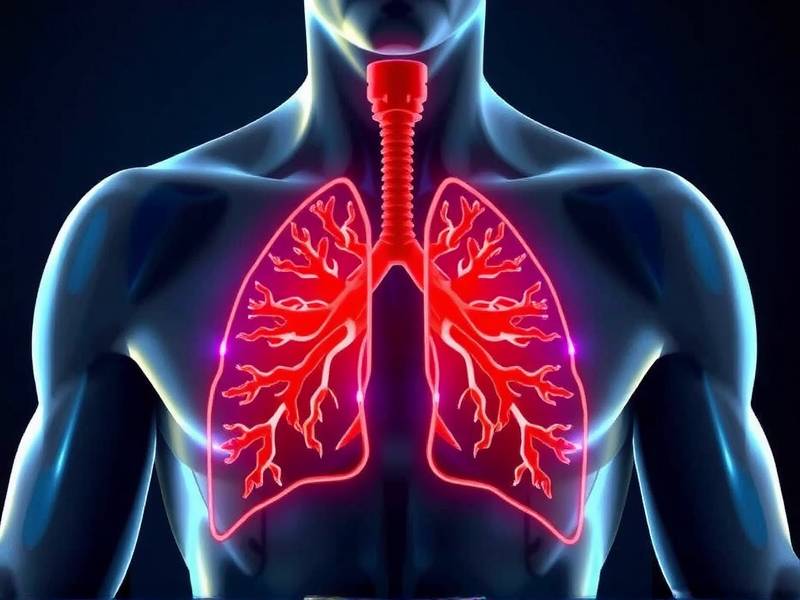
Section 2: The Healing Process After Quitting Smoking When you quit smoking, your body begins to heal itself. However, this healing process can sometimes cause discomfort and temporary symptoms like lung burn and shortness of breath. Let's explore the reasons behind these sensations:
Subsection 1: Detoxification Quitting smoking triggers the body's natural detoxification process. As the harmful chemicals are eliminated from your system, they may cause irritation in your lungs, leading to a burning sensation.
Subsection 2: Inflammation Reduction Smoking causes chronic inflammation in the lungs. As you stop smoking, your body starts reducing inflammation levels. This reduction in inflammation can sometimes result in temporary shortness of breath as your respiratory system adjusts to its new state.
Subsection 3: Cilia Restoration Cilia are tiny hair-like structures that line the airways in your lungs. They help remove mucus and trapped particles from the respiratory system. Smoking damages these cilia, reducing their effectiveness. When you quit smoking, your body works to repair and restore these cilia. During this restoration period, you might experience increased mucus production and shortness of breath as your body tries to clear out accumulated debris.
Section 3: Coping with Discomfort While experiencing lung burn and shortness of breath after quitting smoking can be unsettling, there are ways to manage these symptoms:
Subsection 1: Stay Hydrated Drinking plenty of water helps thin mucus and makes it easier for your lungs to expel irritants.
Subsection 2: Practice Breathing Exercises Breathing exercises can improve lung function and help alleviate shortness of breath.
Subsection 3: Seek Support Joining a support group or seeking guidance from a healthcare professional can provide emotional support and practical advice during this challenging time.
Conclusion: Quitting smoking is a commendable decision that comes with its own set of challenges. Understanding the science behind lung burn and shortness of breath after quitting can help you navigate through these temporary symptoms more effectively. By staying hydrated, practicing breathing exercises, and seeking support when needed, you'll be well on your way to regaining optimal lung health.