
Does Your Chest Hurt After Quitting Smoking? The Truth About Lung Health Changes
Does Your Chest Hurt After Quitting Smoking? The Truth About Lung Health Changes
Introduction: Quitting smoking is a significant step towards improving one's health, but it's not uncommon to experience various physical symptoms during the process. One of the most common concerns among former smokers is chest pain or discomfort after quitting. In this article, we'll explore the truth behind these lung health changes and provide you with valuable insights.
I. Understanding the Connection Between Smoking and Chest Pain
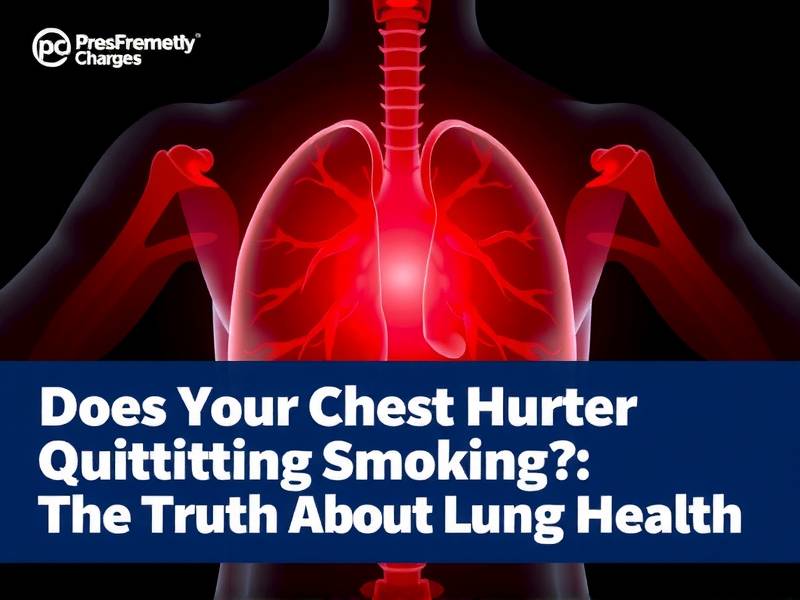
A. The Effects of Smoking on the Lungs Smoking damages the lungs by causing inflammation, reducing oxygen levels, and leading to the formation of scar tissue. This damage can manifest as chest pain or discomfort.
B. The Healing Process After Quitting Smoking When you quit smoking, your body begins to heal from the years of damage caused by tobacco smoke. This healing process can sometimes lead to temporary discomfort or pain in the chest area.
II. Causes of Chest Pain After Quitting Smoking
A. Coughing and Bronchitis One common cause of chest pain after quitting smoking is increased coughing and bronchitis due to the body's attempt to clear out mucus and debris that has accumulated in your lungs over time.
B. Lung Inflammation Quitting smoking can trigger inflammation in your lungs as they begin to heal from previous damage. This inflammation can cause chest pain or tightness.
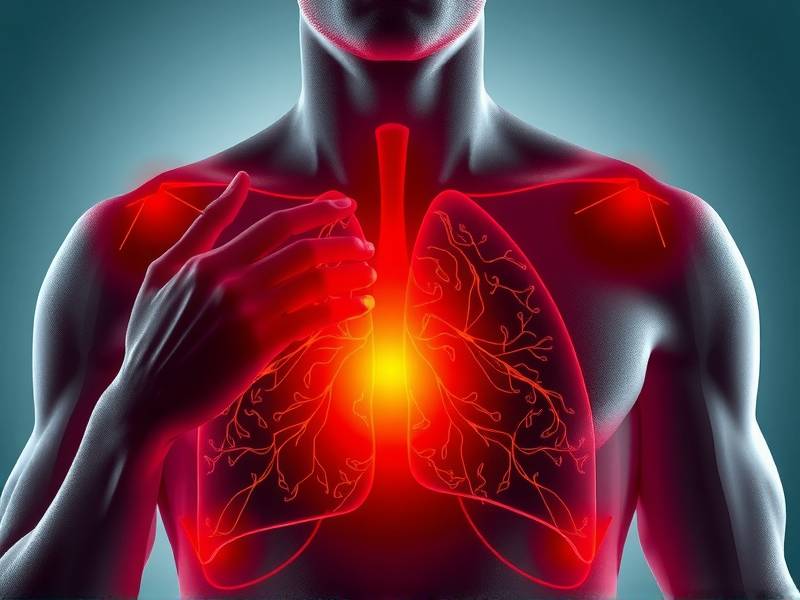
C. Musculoskeletal Pain The act of smoking can lead to muscle tension and poor posture, which may contribute to chest pain after quitting.
III. How Long Does Chest Pain Last After Quitting Smoking?
A. Temporary Relief with Time In most cases, chest pain associated with quitting smoking will diminish over time as your lungs continue to heal.
B. Seek Medical Attention If Pain Persists If you experience persistent or severe chest pain after quitting smoking, it's essential to consult a healthcare professional for proper evaluation and treatment.
IV. Tips for Managing Chest Pain After Quitting Smoking
A. Stay Hydrated Drinking plenty of water helps thin mucus and aids in clearing out your lungs more effectively.
B. Practice Deep Breathing Exercises Deep breathing exercises can help improve lung function and alleviate chest discomfort.
C. Consult Your Healthcare Provider for Additional Recommendations
Conclusion: Quitting smoking is a challenging journey, but it's worth it for your health's sake. While experiencing chest pain after quitting is not uncommon, understanding its causes and management strategies can make this phase more bearable. Remember that patience is key, as your body continues to heal from years of tobacco smoke exposure. Stay committed to your quit plan, seek support when needed, and enjoy the long-term benefits of a smoke-free life!