
Why Are My Gums Bleeding After Quitting Smoking? Understanding the Causes and Solutions
Why Are My Gums Bleeding After Quitting Smoking? Understanding the Causes and Solutions
Introduction: Quitting smoking is a significant step towards a healthier lifestyle. However, many smokers experience unexpected side effects after quitting, such as bleeding gums. This article aims to shed light on the causes of bleeding gums after quitting smoking and provide practical solutions to help you manage this condition.
Understanding the Causes of Bleeding Gums Post-Quitting Smoking
-
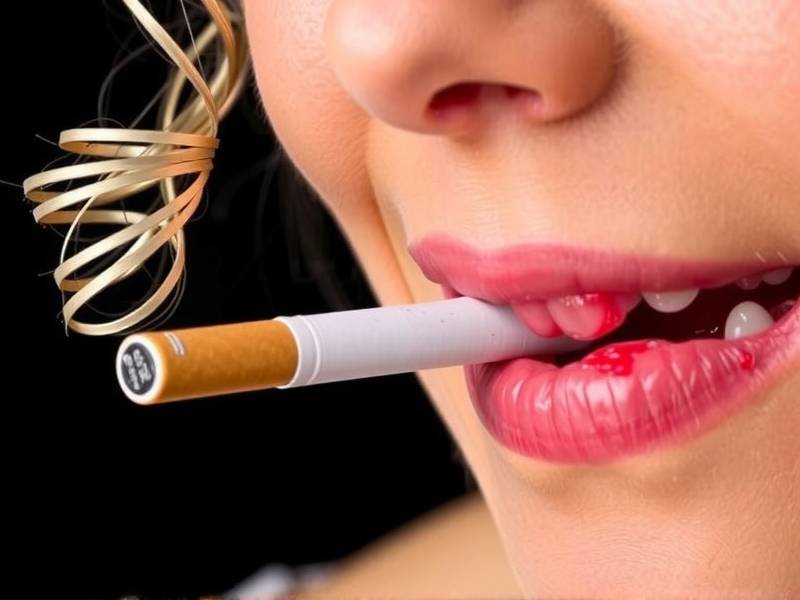
Reversal of Gum Disease: One of the primary reasons for bleeding gums post-quitting smoking is the reversal of gum disease. Smoking restricts blood flow to the gums, making them more susceptible to infection and inflammation. When you quit smoking, your gums start to heal, leading to increased blood flow and potential bleeding.
-
Increased Sensitivity: Quitting smoking can make your gums more sensitive to irritants like plaque and tartar. The heightened sensitivity can cause inflammation and bleeding.
-
Dry Mouth: Smoking often leads to dry mouth, which affects saliva production. Saliva plays a crucial role in protecting your gums from bacteria that cause inflammation and bleeding.
-
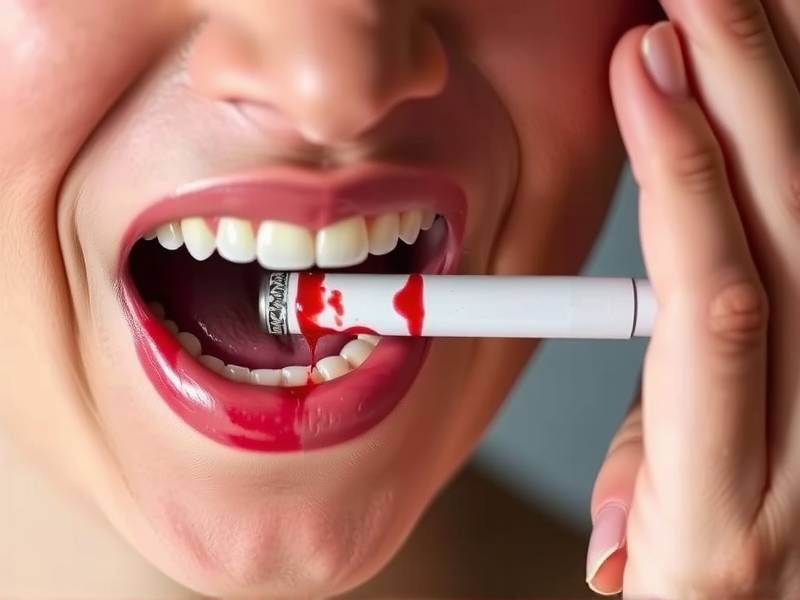
Improper Oral Hygiene: Improper brushing or flossing techniques can exacerbate gum bleeding after quitting smoking. It's essential to adopt proper oral hygiene practices.
Solutions for Managing Bleeding Gums After Quitting Smoking
-
Regular Dental Check-ups: Schedule regular dental appointments to monitor your gum health and receive professional cleaning.
-
Improve Oral Hygiene Practices: Brush your teeth at least twice a day with a soft-bristled brush, using fluoride toothpaste. Floss daily to remove food particles and plaque between teeth.
-
Use Anti-Bacterial Mouthwash: An anti-bacterial mouthwash can help reduce plaque buildup and prevent inflammation.
-
Stay Hydrated: Drinking plenty of water throughout the day can help maintain saliva production and keep your mouth moist.
-
Avoid Irritants: Limit exposure to irritants like caffeine, alcohol, and spicy foods that can exacerbate gum bleeding.
Conclusion: Bleeding gums after quitting smoking are common but manageable with proper care and attention to oral hygiene practices. By understanding the causes behind this condition, you can take proactive steps towards maintaining healthy gums post-quitting smoking.