
How Fast Do Your Lungs Recover After Quitting Smoking?
The Journey to Lung Health
Quitting smoking is a monumental decision that can lead to significant health improvements. One of the most compelling reasons to quit is the potential for your lungs to recover and regain their health. But just how fast can you expect this recovery to happen? Let's delve into the timeline and factors that influence lung recovery after quitting smoking.
Immediate Changes
1. The First 48 Hours
Within the first 48 hours of quitting, your body begins to show immediate changes. Carbon monoxide levels in your blood drop, allowing your blood to carry more oxygen. This can lead to increased energy levels and a clearer sense of taste and smell.
2. The First Week
After about a week, you'll notice an improvement in your breathing. Cilia in your lungs start to regain their function, which helps clear out mucus and debris that were previously stuck due to smoking-induced inflammation.
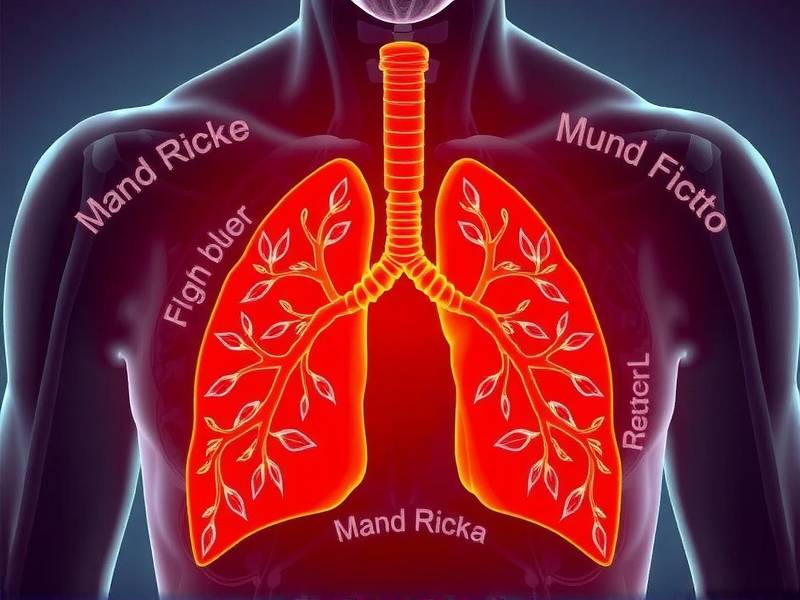
Early Recovery (1-9 Months)
3. The First Month
Within the first month, you may experience a decrease in coughing and shortness of breath. Your lung function starts to improve, often by as much as 10%.
4. The First Three Months
By three months post-quit, many former smokers find that their breathing is significantly easier than when they were smoking. This is due to continued healing of the lung tissue and reduced inflammation.
5. The First Nine Months
After about nine months, any temporary increase in mucus production should subside, and your lungs will continue to improve in function.
Long-Term Recovery (1 Year+)
6. One Year Post-Quit
One year after quitting smoking, the risk of coronary heart disease drops by half compared to when you were smoking. This is because the lining of your coronary arteries starts to return to normal.
7. Five Years Post-Quit
Five years after quitting, the risk of stroke decreases significantly due to reduced plaque buildup in arteries.
8. Ten Years Post-Quit
Ten years after quitting smoking, your risk of lung cancer drops by half compared to continued smokers'. This is because cells are continuously being replaced with healthy ones.
Factors Influencing Recovery
It's important to note that while these timelines provide a general guide, individual recovery can vary widely based on several factors:
- Duration of Smoking: Longer smoking histories often mean longer periods for full recovery.
- Amount Smoked: Heavier smokers may experience more severe damage initially but can still see significant improvements.
- Age at Quitting: Younger individuals tend to recover faster than older individuals.
- Overall Health: Those with better overall health may see quicker improvements.
- Genetic Factors: Some people's bodies are better equipped for healing than others.
Conclusion
The journey towards healthier lungs after quitting smoking is one worth taking. While it's a gradual process with varying timelines for different individuals, the benefits are undeniable. By understanding what changes occur over time and considering personal factors that may influence recovery, you can be motivated and informed on this life-changing path towards better health.
Remember, every puff counts – quit today for healthier lungs tomorrow!