
When Should I Quit Smoking Before Surgery?
The Optimal Time to Quit Smoking Before Surgery: A Comprehensive Guide
Introduction: Undergoing surgery is a significant life event that requires thorough preparation. One crucial aspect of preparation is deciding when to quit smoking. Smoking not only affects overall health but also poses additional risks during surgery. In this article, we will discuss the optimal time to quit smoking before surgery and provide valuable insights from reputable sources.
Understanding the Risks: Smoking has been linked to various health issues, including cardiovascular diseases, respiratory problems, and an increased risk of complications during surgery. It is essential to recognize the risks associated with smoking and understand how it can impact your recovery process.

The Impact on Surgery: Smokers are more prone to postoperative complications such as infections, prolonged healing time, and increased pain perception. Additionally, smoking can affect blood flow and lung function, which are crucial during anesthesia administration.
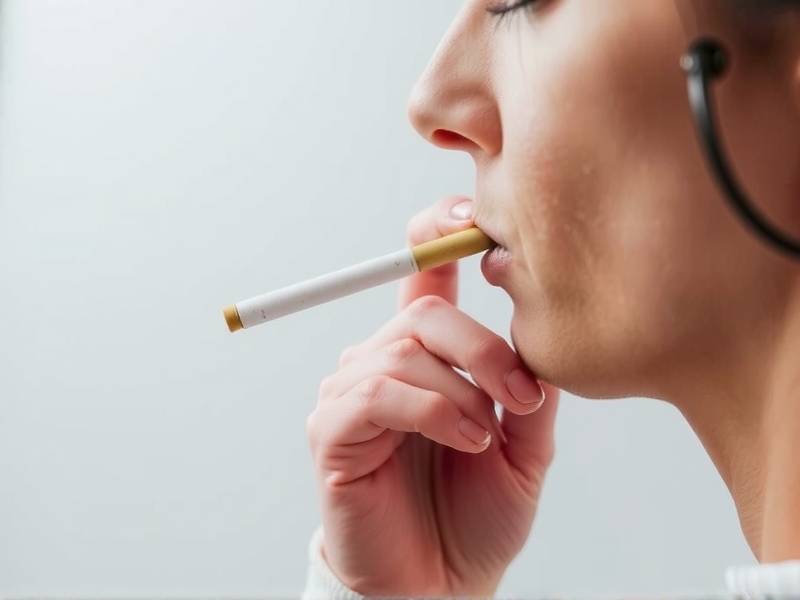
When Should I Quit Smoking Before Surgery? The ideal time to quit smoking before surgery varies depending on individual circumstances and the type of surgery. However, most healthcare professionals recommend quitting at least four to six weeks before the procedure. Here's why:
-
Improved Lung Function: Quitting smoking helps improve lung capacity and oxygenation. This is particularly important for patients undergoing surgeries that involve general anesthesia or have a higher risk of respiratory complications.
-
Reduced Risk of Infections: Smokers have a higher susceptibility to infections due to weakened immune systems. Quitting smoking beforehand can significantly reduce the risk of postoperative infections.
-
Enhanced Wound Healing: Smoking hinders the healing process by reducing blood flow to the wound site. Quitting smoking four to six weeks before surgery allows your body to heal more efficiently.
-
Decreased Anesthesia Risks: Smokers require higher doses of anesthesia due to decreased lung function and increased risk of respiratory depression. Quitting smoking beforehand helps minimize these risks.
-
Improved Overall Recovery: Quitting smoking before surgery promotes overall recovery by reducing the likelihood of complications and enhancing healing.
Alternative Options for Smokers Who Cannot Quit Completely: If you are unable to quit completely before surgery, consider these alternative options:
-
Nicotine Replacement Therapy (NRT): NRT can help alleviate nicotine withdrawal symptoms while reducing cravings for tobacco products.
-
Behavioral Support Programs: Seeking support from healthcare professionals or joining support groups can provide guidance and encouragement throughout your quit journey.
-
Medications: Consult with your healthcare provider about medications that may aid in quitting smoking while preparing for surgery.
Conclusion: Quitting smoking before surgery is a vital step towards ensuring a safe and successful recovery process. By recognizing the risks associated with smoking, adhering to recommended timelines, and seeking support when needed, you can improve your chances of a smooth surgical experience and overall well-being.
Remember, it's never too late to start making positive changes in your life for a healthier future!