
How Long Does the Anger Phase of Quitting Smoking Last?
Understanding the Duration of the Anger Phase in Smoking Cessation
Introduction: Quitting smoking is a challenging endeavor, often accompanied by a range of emotional and physical symptoms. One of the most common emotional hurdles is the anger phase. In this article, we delve into how long this phase typically lasts and provide insights into managing it effectively.
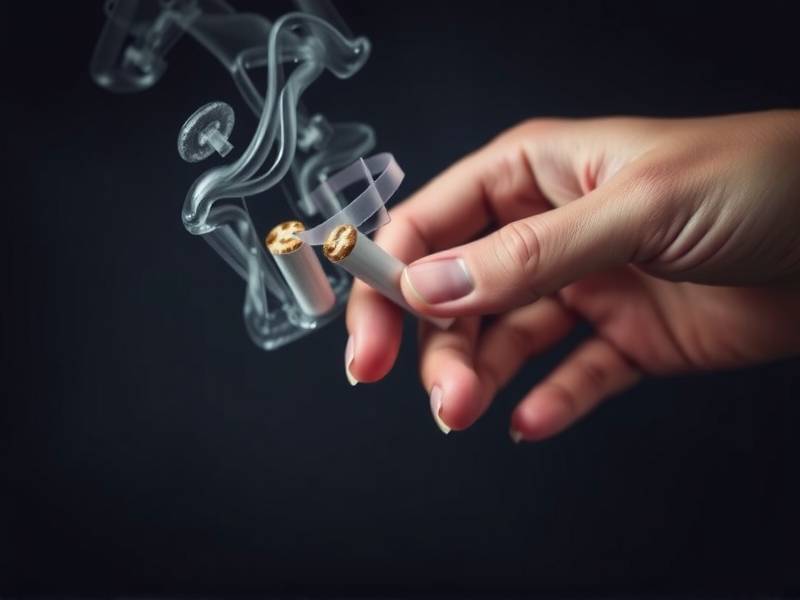
What is the Anger Phase?

The anger phase during smoking cessation refers to a period where individuals may experience heightened irritability, frustration, and anger. This emotional response can be attributed to nicotine withdrawal and the body's adjustment to being smoke-free.
Duration of the Anger Phase
The duration of the anger phase can vary from person to person. On average, it may last for several weeks or even months. However, some individuals may experience it for a shorter or longer duration depending on various factors such as their level of nicotine dependence and coping mechanisms.
Factors Influencing the Duration
- Nicotine Dependence: Individuals with higher levels of nicotine dependence are more likely to experience a longer anger phase.
- Coping Mechanisms: Individuals who have effective coping strategies in place may find that their anger phase is shorter.
- Support Systems: Having a strong support system can significantly reduce the duration and intensity of the anger phase.
- Physical Health: Improvements in physical health after quitting smoking can also contribute to a shorter anger phase.
Managing the Anger Phase
Here are some tips for managing the anger phase during smoking cessation:
- Identify Triggers: Recognize what situations or triggers bring out your anger and try to avoid them if possible.
- Stay Active: Regular exercise can help release tension and reduce feelings of irritability.
- Practice Relaxation Techniques: Techniques such as deep breathing, meditation, or yoga can help calm your mind and reduce stress.
- Seek Support: Talk to friends, family, or professionals about your feelings and experiences.
- Set Realistic Goals: Break down your goal of quitting smoking into smaller, achievable milestones.
Conclusion:
The anger phase is an inevitable part of quitting smoking but does not last forever. By understanding its duration and implementing effective coping strategies, you can navigate this challenging period more easily. Remember that seeking support from others can make all the difference in your journey towards a smoke-free life.
Note: The information provided in this article is based on general observations and experiences shared by individuals who have quit smoking. It is always recommended to consult healthcare professionals for personalized advice on quitting smoking and managing withdrawal symptoms.