
Will My Lungs Get Better If I Quit Smoking?
The Promise of Health: Will My Lungs Get Better If I Quit Smoking?
Introduction: The decision to quit smoking is one of the most significant steps an individual can take towards improving their health. Many smokers are often concerned about the future of their lungs and how quitting smoking can impact their respiratory health. In this article, we will explore the potential improvements in lung function that can occur after quitting smoking.
Understanding Lung Damage from Smoking
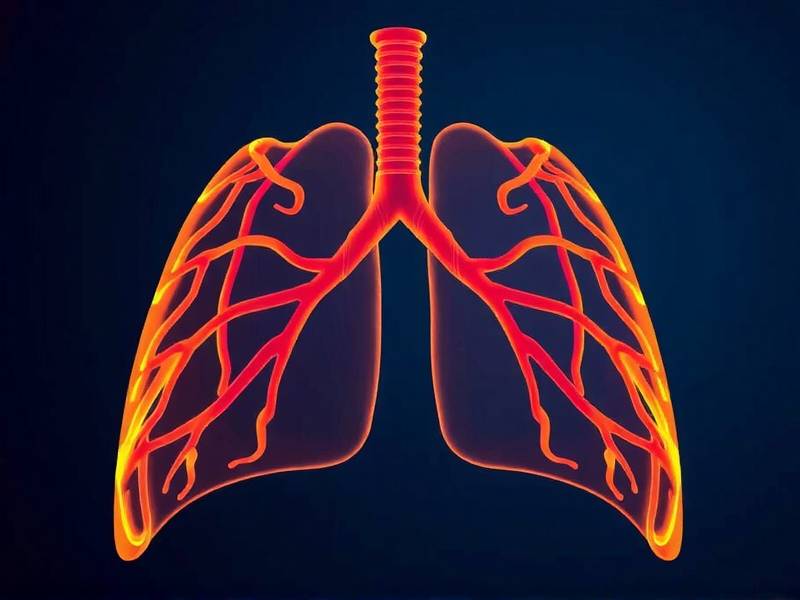
Smoking is a leading cause of lung disease, including chronic obstructive pulmonary disease (COPD), emphysema, and lung cancer. The harmful chemicals in tobacco smoke damage the delicate structures of the lungs over time, leading to reduced function and increased risk of respiratory issues.
Immediate Changes After Quitting
When you quit smoking, your body begins to repair itself almost immediately. Within 48 hours of quitting, your risk of a heart attack decreases significantly. However, when it comes to lung health, the process is more gradual.
Early Improvements
Within just a few days after quitting, your sense of smell and taste may start to improve as your olfactory receptors recover from the numbing effects of nicotine. This is a small but tangible sign that your body is beginning to heal.
Long-term Benefits
Over time, quitting smoking can lead to substantial improvements in lung function:
- 12 to 24 Months: Your chances of experiencing a heart attack or stroke decrease significantly.
- 1-9 Years: Your risk for COPD decreases by half compared to continuing smokers.
- 10-15 Years: Your risk for lung cancer drops by half compared to continuing smokers.
- 15 Years Post-Quitting: Your risk for death from all causes becomes similar to that of someone who never smoked.
The Healing Process
It's important to understand that while these improvements are significant, they do not mean that all damage will be reversed completely. For instance, while some elasticity in damaged lung tissue may return over time, the extent depends on various factors including age at quit date and duration of smoking.
Emotional Support and Resources
Quitting smoking can be challenging due to nicotine addiction and withdrawal symptoms. Emotional support from friends and family can be invaluable during this time. Additionally, there are numerous resources available such as counseling services, support groups, and medications designed to aid in quitting.
Conclusion: The journey towards healthier lungs begins with the decision to quit smoking. While it's a gradual process with varying outcomes depending on individual circumstances, there is no doubt that giving up tobacco leads to significant improvements in respiratory health over time. If you're considering quitting or have already started your journey towards better health, remember that every step you take brings you closer to cleaner airways and a longer life.