
Do Your Lungs Ache When You Quit Smoking? The Truth About How Smoking Affects Your Body
Do Your Lungs Ache When You Quit Smoking? The Truth About How Smoking Affects Your Body
Introduction: Quitting smoking is a challenging yet rewarding journey. Many smokers experience various symptoms upon quitting, with some reporting discomfort in their lungs. In this article, we delve into the truth about how smoking affects your body and whether lung ache is a common symptom of smoking cessation.
Understanding the Impact of Smoking on Your Lungs
-
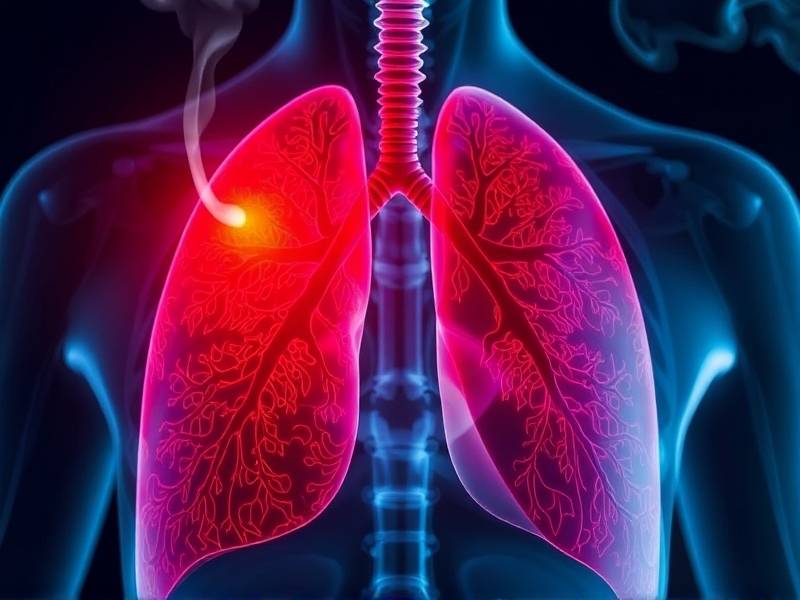
The Immediate Effects of Smoking When you smoke, harmful chemicals are inhaled into your lungs, leading to immediate damage. These chemicals can cause inflammation and irritation, leading to symptoms like coughing, wheezing, and shortness of breath.
-
Long-term Effects of Smoking Over time, smoking can lead to chronic lung diseases such as chronic bronchitis and emphysema. These conditions cause irreversible damage to the lungs, making it difficult for them to function properly.
Lung Ache: Is It a Symptom of Quitting Smoking?
-
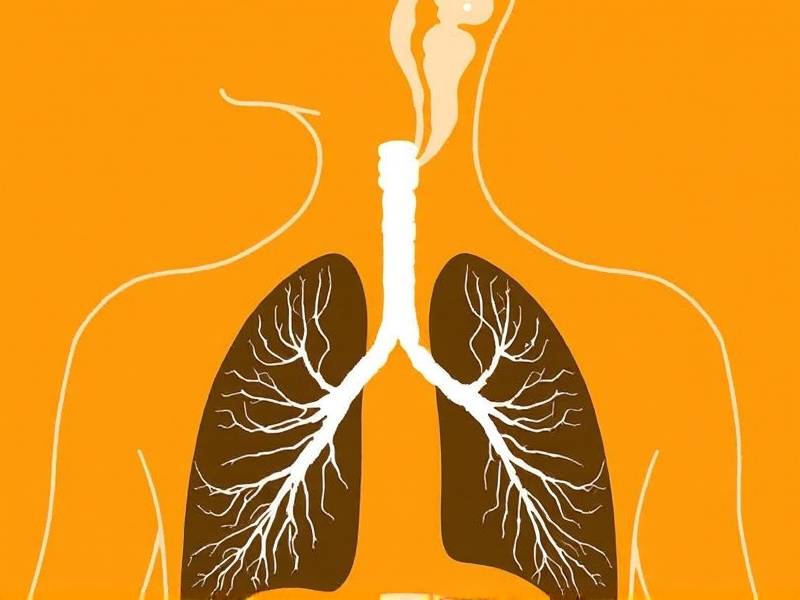
The Healing Process When you quit smoking, your body begins the healing process. While it's true that some individuals may experience discomfort in their lungs during this time, it's essential to understand that this is a sign of healing rather than permanent damage.
-
Temporary Discomfort Lung ache or discomfort is often a temporary symptom experienced by individuals who quit smoking. This sensation can be attributed to the inflammation and healing process as your body tries to rid itself of the accumulated toxins from years of smoking.
Common Symptoms Experienced After Quitting Smoking
-
Coughing One of the most common symptoms experienced after quitting smoking is coughing. This is due to the body's effort to clear out mucus and tar that have accumulated in the lungs over time.
-
Shortness of Breath Some individuals may notice an increase in shortness of breath after quitting smoking. This can be attributed to improved lung function as your body continues its healing process.
How to Manage Discomfort After Quitting Smoking
-
Stay Hydrated Drinking plenty of water can help alleviate coughing and support your body's healing process.
-
Exercise Regularly Regular exercise can improve lung function and help reduce discomfort associated with quitting smoking.
-
Seek Support Quitting smoking can be challenging, so it's essential to seek support from friends, family, or support groups dedicated to helping individuals quit successfully.
Conclusion: While lung ache may be a temporary symptom experienced by some individuals when they quit smoking, it is an indication that your body is healing from years of exposure to harmful chemicals. By understanding the impact of smoking on your lungs and taking steps to manage discomfort during the quitting process, you can increase your chances of successful cessation and enjoy better health in the long run.