
How Long Does It Take for Your Lungs to Improve After You Quit Smoking?
The Journey to Healthier Lungs: How Long Does It Take to Breathe Easy After Quitting Smoking?
Introduction: Quitting smoking is a significant step towards improving one's health, and many individuals are eager to know how quickly their lungs can start to heal. The truth is, the recovery process varies from person to person, but this article will provide you with an overview of the timeline and factors that influence lung improvement after quitting smoking.
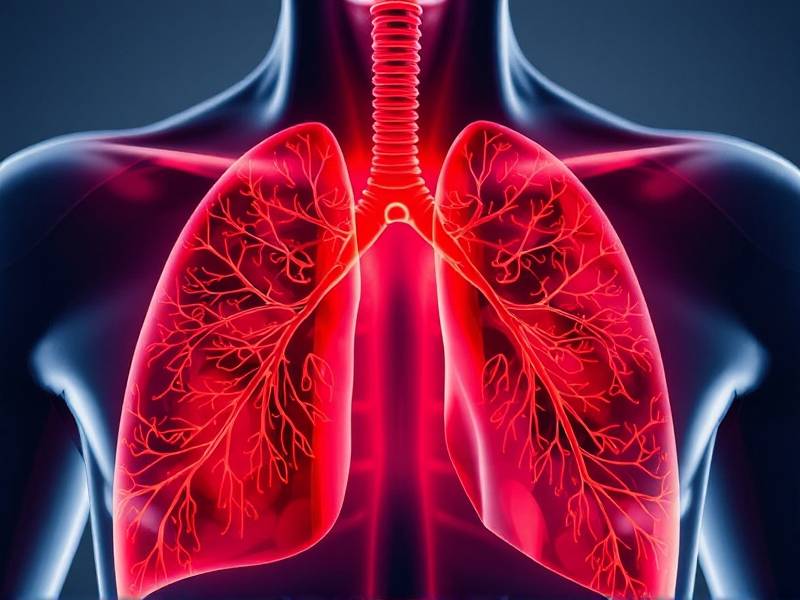
Understanding Lung Damage Smoking is a leading cause of chronic obstructive pulmonary disease (COPD), lung cancer, and other respiratory conditions. When you quit smoking, your lungs begin the process of repairing the damage caused by the harmful chemicals in tobacco smoke.
Immediate Improvements Within hours of quitting, your body starts to show immediate improvements:
- Carbon monoxide levels drop rapidly.
- Your heart rate and blood pressure begin to decrease.
- Oxygen levels in your blood rise.
Weeks 1-3: Clearing Out In the first few weeks after quitting, you may notice some immediate changes:
- Coughing and phlegm production increase as your lungs start to clear out mucus and tar buildup.
- Breathing becomes easier as your airways start to dilate.
Months 1-9: Repairing and Rebuilding Over the next several months, your lungs continue to repair themselves:
- Your immune system strengthens.
- Lung function improves as inflammation decreases.
- You may experience fewer respiratory infections.
Years 1-5: Long-Term Benefits As time progresses, the benefits become more apparent:
- The risk of developing COPD decreases.
- The risk of heart disease drops significantly.
- Lung cancer risk continues to decline.
The Role of Time The length of time it takes for your lungs to improve after quitting smoking can vary greatly. Some individuals may notice significant improvements within a few months, while others may take several years. Factors such as age, overall health, and the duration of smoking history play a role in this timeline.
Tips for Staying on Track To ensure a healthy recovery for your lungs:
- Stay smoke-free: Avoid secondhand smoke and any other sources of tobacco exposure.
- Maintain a healthy lifestyle: Exercise regularly, eat a balanced diet, and manage stress levels.
- Seek support: Join a support group or consider professional help if needed.
Conclusion: The journey towards healthier lungs after quitting smoking is unique for each individual. While it can take time for your lungs to fully recover from the damage caused by smoking, taking proactive steps can help accelerate the healing process. By staying smoke-free and maintaining a healthy lifestyle, you can enjoy improved lung function and overall well-being.