
Why Do You Experience Chest Pain After Quitting Smoking?
Understanding the Chest Pain After Quitting Smoking: Causes and Coping Strategies
Introduction: Quitting smoking is a significant step towards a healthier life, but it's not uncommon to experience various withdrawal symptoms, including chest pain. If you've recently quit smoking and are experiencing discomfort in your chest, you're not alone. This article delves into the reasons behind this common occurrence and offers strategies to cope with it effectively.
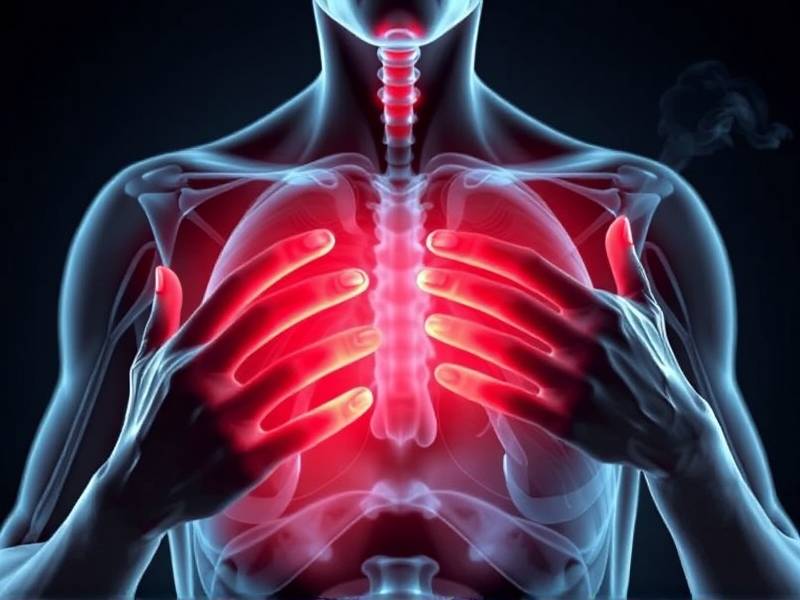
What is Chest Pain After Quitting Smoking?

Chest pain after quitting smoking, often referred to as "smoker's cough" or "quitting cough," is a result of the body's response to the absence of nicotine. It typically manifests as a persistent cough or sharp, occasional chest pain.
Why Does It Happen?
-
Reactivation of Cough Reflex: The body's natural cough reflex becomes more active after quitting smoking. This can lead to a persistent cough that may cause chest discomfort.
-
Bronchial Cleanup: When you stop smoking, your lungs start to clear out the mucus and debris that have accumulated over time. This process can cause irritation and lead to chest pain.
-
Increased Oxygen Intake: Without nicotine constricting your blood vessels, your lungs receive more oxygen. This increased oxygen flow can sometimes lead to temporary chest tightness or pain.
-
Muscle Strain: The act of coughing repeatedly can strain muscles in the chest area, contributing to pain.
-
Emotional Factors: Stress or anxiety associated with quitting smoking can also manifest physically, including chest pain.
How Long Does It Last?
The duration of this discomfort varies from person to person but usually resolves within a few weeks to months after quitting smoking.
Coping Strategies
-
Stay Hydrated: Drinking plenty of water helps thin mucus and make it easier for your body to expel it.
-
Deep Breathing Exercises: Practices like diaphragmatic breathing can help alleviate tension in the chest muscles and improve lung function.
-
Avoid Irritants: Stay away from secondhand smoke, dust, pollen, and other irritants that can exacerbate symptoms.
-
Over-the-Counter Remedies: Non-prescription cough medicines or steam inhalation may provide some relief.
-
Seek Professional Advice: If the pain persists or worsens, consult a healthcare professional for an evaluation.
Conclusion:
Quitting smoking is challenging, but understanding the reasons behind post-quit symptoms like chest pain can help you manage them more effectively. Remember that these symptoms are temporary and part of your body's journey towards better health. Stay committed to your quit journey, and don't hesitate to seek support when needed.