
When Does Phlegm Stop After Quitting Smoking?
The Timeline of Phlegm Reduction After Smoking Cessation: What You Need to Know
Introduction: Quitting smoking is a significant step towards improving one's health. However, it is not uncommon to experience various withdrawal symptoms, including the production of excess phlegm. Many individuals wonder how long it takes for their body to rid itself of this unwanted symptom. In this article, we will explore the timeline of phlegm reduction after quitting smoking and provide valuable insights to help you navigate through this phase.
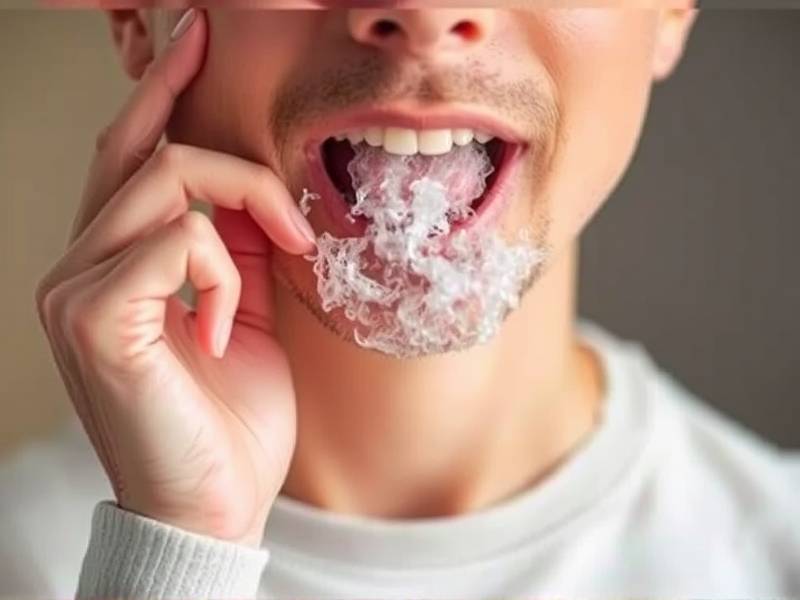
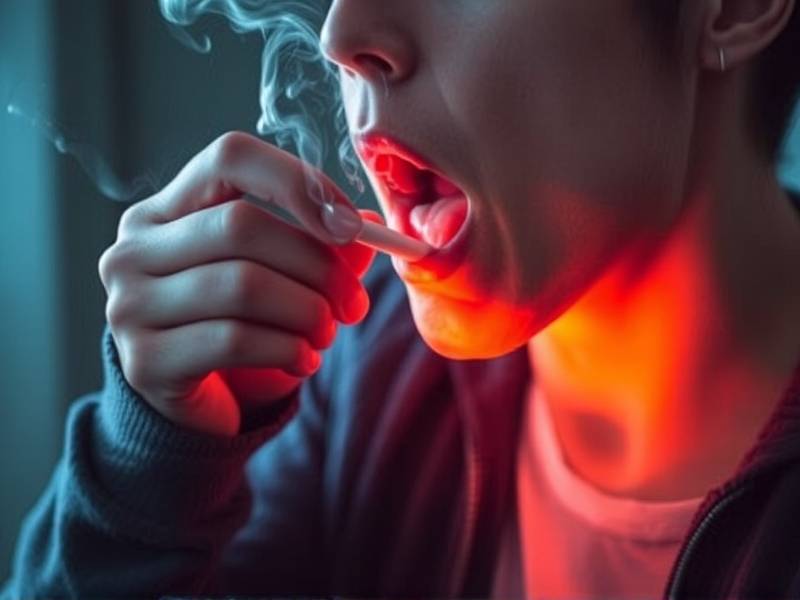
What is Phlegm? Phlegm is a sticky substance produced by the respiratory system to protect and moisten the airways. When you smoke, chemicals in tobacco irritate your airways, leading to increased mucus production. This excess mucus can cause discomfort and coughing.
The Timeline of Phlegm Reduction:
-
Immediate Relief After quitting smoking, you may notice an immediate decrease in the production of phlegm. This is because your body starts to heal from the irritation caused by tobacco chemicals.
-
Weeks 1-2 During the first two weeks after quitting smoking, you may still experience some coughing and expectoration of mucus. However, the quantity and thickness of phlegm should start to decrease gradually.
-
Weeks 3-4 By this stage, most individuals report a significant reduction in coughing and phlegm production. Your airways continue to heal, and you may feel more comfortable breathing.
-
Weeks 5-8 During these weeks, your body's healing process accelerates further. You should notice even less coughing and expectoration of mucus compared to the previous weeks.
-
Months 3-6 After three months of quitting smoking, most individuals experience a complete resolution of their coughing and phlegm problems. Your lungs continue to improve in function and capacity.
-
Years 1-5 As time progresses, your lungs will continue to heal from the damage caused by smoking. The risk of developing respiratory diseases decreases significantly during this period.
-
Long-term Benefits Over time, your body will fully recover from the effects of smoking on your respiratory system. The risk of developing chronic obstructive pulmonary disease (COPD), lung cancer, and other respiratory issues diminishes as your lungs regain their health.
Tips for Managing Phlegm After Quitting Smoking:
- Stay Hydrated: Drinking plenty of water helps thin out mucus and makes it easier for you to cough up.
- Practice Deep Breathing Exercises: These exercises can help improve lung function and reduce coughing.
- Use Humidifiers: Adding moisture to the air can help soothe irritated airways.
- Avoid Irritants: Stay away from dust particles, pollen, smoke, and other allergens that can trigger coughing.
- Consult Your Doctor: If you experience persistent coughing or excessive mucus production after quitting smoking, consult with a healthcare professional for guidance.
Conclusion: Quitting smoking is a challenging yet rewarding journey towards better health. Understanding the timeline of phlegm reduction after quitting smoking can help you manage withdrawal symptoms more effectively during this period. By adopting healthy habits and seeking medical advice when needed, you can ensure a smooth transition towards a smoke-free life with improved lung health.