
How Long Until Your Lungs Clear After Quitting Smoking?
The Journey to Clean Lungs: How Long After Quitting Smoking?
Introduction: Quitting smoking is a significant step towards a healthier lifestyle. One of the most common questions among smokers who are considering quitting is, "How long until my lungs clear after quitting smoking?" In this article, we will explore the process of lung recovery and provide insights into the timeline for lung health improvement after quitting.
Section 1: Understanding Lung Damage Smoking causes significant damage to the lungs, leading to a range of respiratory issues. The harmful chemicals in cigarettes can cause inflammation, scarring, and impaired lung function. It's essential to understand the extent of lung damage before delving into the recovery process.
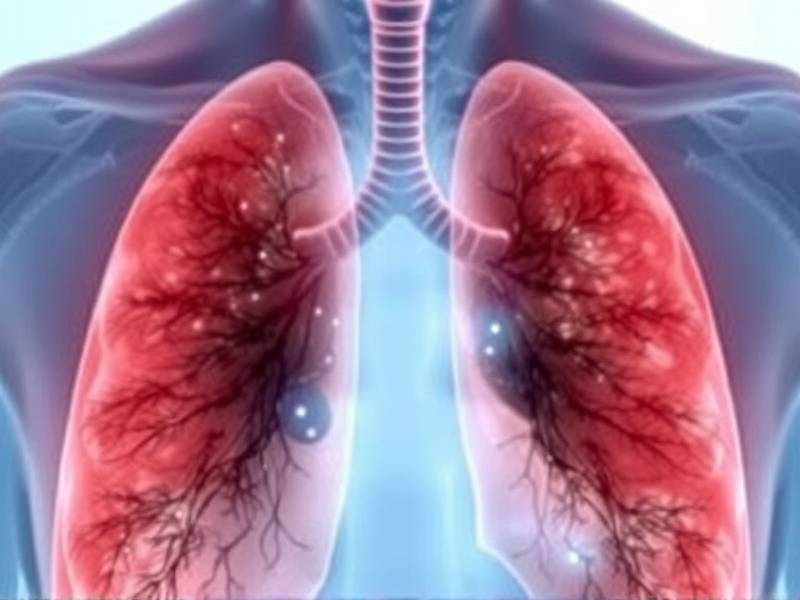
Section 2: The First Few Days When you quit smoking, your lungs begin to repair themselves almost immediately. Within the first few days, you'll notice an improvement in your sense of taste and smell as your olfactory receptors start to recover. However, it's important to note that this initial phase does not indicate complete lung healing.
Section 3: Weeks 1-3 During the first few weeks after quitting, your lungs will continue to clear out mucus and debris accumulated from years of smoking. You may experience some discomfort or coughing as your body works to expel these substances. While it may seem like progress is slow, remember that every day without smoking is a step towards better health.
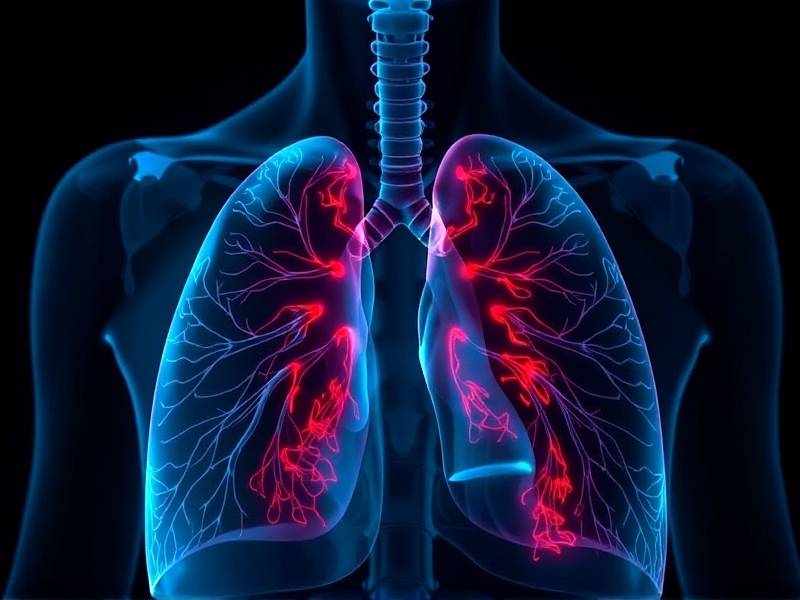
Section 4: Months 1-6 By the end of the first six months post-quit, you'll likely notice a significant reduction in coughing and shortness of breath. Your lungs' ability to exchange oxygen and carbon dioxide will improve as well. Studies have shown that within six months, there is an approximate 10% decrease in risk for heart disease and stroke compared to continuing smokers.
Section 5: Years 1-5 Over the next few years after quitting smoking, your lungs will continue to heal and regenerate. The risk of developing chronic obstructive pulmonary disease (COPD) decreases significantly during this time. By year five post-quit, your risk for COPD is reduced by about half compared to continuing smokers.
Conclusion: The journey towards cleaner lungs after quitting smoking may seem lengthy at times, but it's worth every effort. By understanding the stages of lung recovery and maintaining a smoke-free lifestyle, you can significantly improve your respiratory health over time. Remember that each day without smoking brings you closer to breathing easier and living healthier.
Note: The information provided in this article is based on general knowledge about lung recovery after quitting smoking. For personalized advice or medical concerns regarding lung health, please consult with healthcare professionals or visit reputable websites like Mayo Clinic or American Lung Association for accurate information.