
Will COPD Get Worse If You Quit Smoking?
Understanding the Impact of Smoking Cessation on COPD Progression
Introduction: Chronic Obstructive Pulmonary Disease (COPD) is a chronic lung condition that affects millions of people worldwide. One of the leading causes of COPD is smoking, and many individuals with this condition are eager to quit smoking to improve their health. However, one common concern is whether quitting smoking will worsen the progression of COPD. In this article, we will explore the relationship between smoking cessation and COPD progression.
I. The Role of Smoking in COPD Progression
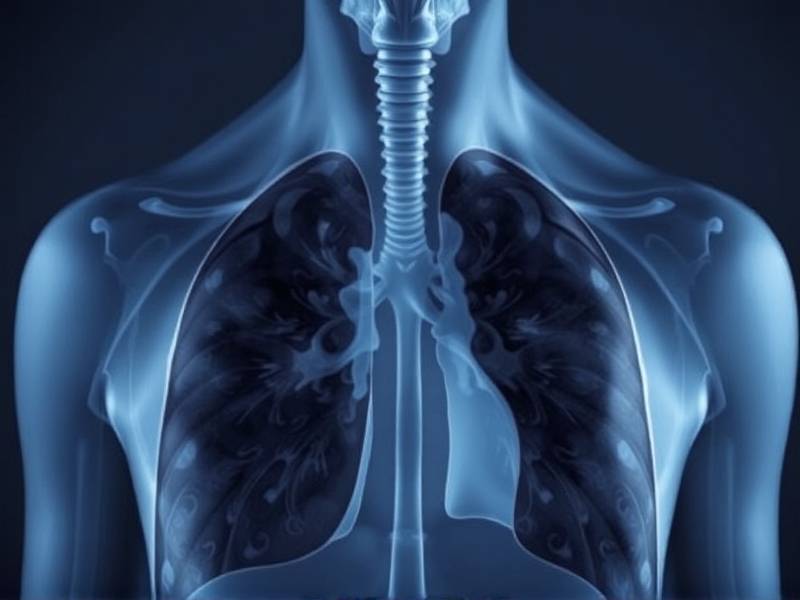
Smoking is a significant risk factor for developing and worsening COPD. When you smoke, harmful chemicals are inhaled into your lungs, causing inflammation and damage to the airways and alveoli (air sacs). Over time, this damage can lead to a gradual decline in lung function.
II. The Benefits of Quitting Smoking
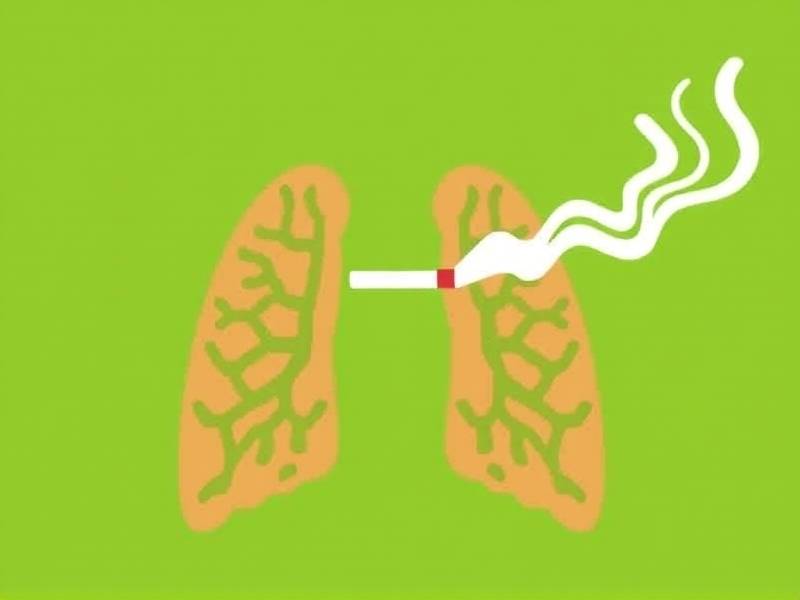
Research has shown that quitting smoking can significantly slow down the progression of COPD. By reducing exposure to harmful chemicals, you can decrease inflammation and prevent further damage to your lungs. Here are some benefits of quitting smoking:
- Improved lung function: Within a few weeks after quitting, you may notice an improvement in your breathing.
- Reduced risk of respiratory infections: Quitting smoking can lower your risk of developing respiratory infections, which often exacerbate COPD symptoms.
- Decreased chance of hospitalization: Individuals with COPD who quit smoking are less likely to be hospitalized due to their condition.
- Enhanced quality of life: Quitting smoking can lead to improved overall health, allowing you to enjoy a better quality of life.
III. Will Quitting Smoking Worsen COPD?
The question "Will COPD get worse if you quit smoking?" is often asked by individuals with this condition. The answer is no; quitting smoking will not worsen your COPD. In fact, it is one of the best things you can do to slow down the progression of your disease.
When you quit smoking, your body begins healing itself from the damage caused by tobacco use. While it may take some time for your lung function to improve after quitting, the benefits are well worth it.
IV. Additional Strategies for Managing COPD
While quitting smoking is essential for managing COPD, there are other strategies that can help:
- Regular exercise: Engaging in regular physical activity can improve your lung capacity and overall fitness.
- Pulmonary rehabilitation: A pulmonary rehabilitation program can help you manage your symptoms and improve your quality of life.
- Medications: Your healthcare provider may prescribe medications to manage symptoms and reduce inflammation.
- Avoiding irritants: Minimizing exposure to allergens, pollutants, and other irritants can help prevent exacerbations.
Conclusion:
Quitting smoking is a critical step in managing and slowing down the progression of COPD. While it may seem daunting at first, the benefits are substantial. By adopting healthy lifestyle changes and working with your healthcare provider, you can take control of your health and enjoy a better quality of life with COPD. Remember that it's never too late to quit smoking!