
How Long Will I Feel Tired After Quitting Smoking?
The Journey to Recovery: How Long Does Smoking Cessation Fatigue Last?
Introduction: Quitting smoking is a significant decision that can lead to a healthier life. However, it is common to experience withdrawal symptoms, including fatigue. Many individuals wonder how long they will feel tired after quitting smoking. This article aims to provide insights into this aspect of smoking cessation and help you understand what to expect on your journey towards a smoke-free life.
Understanding Smoking Cessation Fatigue:
-
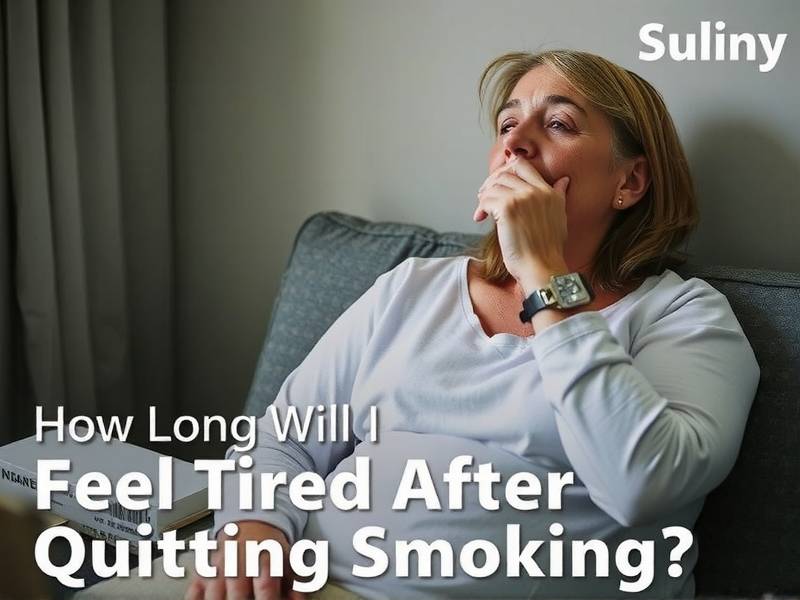
What is Smoking Cessation Fatigue? Smoking cessation fatigue refers to the feeling of extreme tiredness or exhaustion that many individuals experience when they quit smoking. This fatigue is often attributed to the body's adjustment to the absence of nicotine, which was previously an essential stimulant for the central nervous system.

-
Duration of Smoking Cessation Fatigue The duration of smoking cessation fatigue can vary from person to person. Generally, most individuals start feeling better within a few days or weeks after quitting smoking. However, some may experience prolonged fatigue that can last for several months.
Factors Influencing the Duration of Smoking Cessation Fatigue:
-
Nicotine Dependence Level: The level of nicotine dependence plays a crucial role in determining how long one will feel tired after quitting smoking. Individuals who smoked heavily or for an extended period may experience more severe withdrawal symptoms and prolonged fatigue.
-
Overall Health and Lifestyle: A healthy lifestyle with regular exercise, adequate sleep, and proper nutrition can help alleviate smoking cessation fatigue more quickly.
-
Support System: Having a strong support system, including friends, family, or support groups, can significantly reduce the duration of fatigue experienced during quitting smoking.
-
Coping Strategies: Developing effective coping strategies such as relaxation techniques, mindfulness practices, and engaging in activities that promote well-being can aid in managing fatigue during the quitting process.
Tips for Managing Smoking Cessation Fatigue:
-
Establish a Routine: Creating a consistent daily routine can help regulate your body's energy levels and reduce feelings of tiredness.
-
Prioritize Sleep: Adequate sleep is crucial for recovery from withdrawal symptoms and managing fatigue effectively.
-
Stay Hydrated: Drinking plenty of water throughout the day helps maintain energy levels and promotes overall well-being.
-
Engage in Physical Activity: Regular exercise releases endorphins that boost mood and energy levels while reducing stress.
-
Seek Professional Help if Needed: If you find it challenging to cope with smoking cessation fatigue or any other withdrawal symptoms, consider seeking help from healthcare professionals who specialize in addiction treatment.
Conclusion: Feeling tired after quitting smoking is a common experience that usually diminishes over time as your body adjusts to being smoke-free. By understanding the factors influencing this process and adopting effective coping strategies, you can navigate through this phase more comfortably and increase your chances of successfully quitting smoking for good. Remember that patience and perseverance are key components on your journey towards a healthier life!