
Why Am I So Angry When I Quit Smoking?
Understanding the Anger Triggered by Quitting Smoking: A Personal Insight
Introduction: Quitting smoking is a significant decision that can lead to a healthier lifestyle. However, many individuals experience unexpected emotional challenges during the process. One of the most common emotions faced is anger. In this article, we will explore why you might feel so angry when you quit smoking and how to manage these feelings effectively.
Understanding the Anger:

-
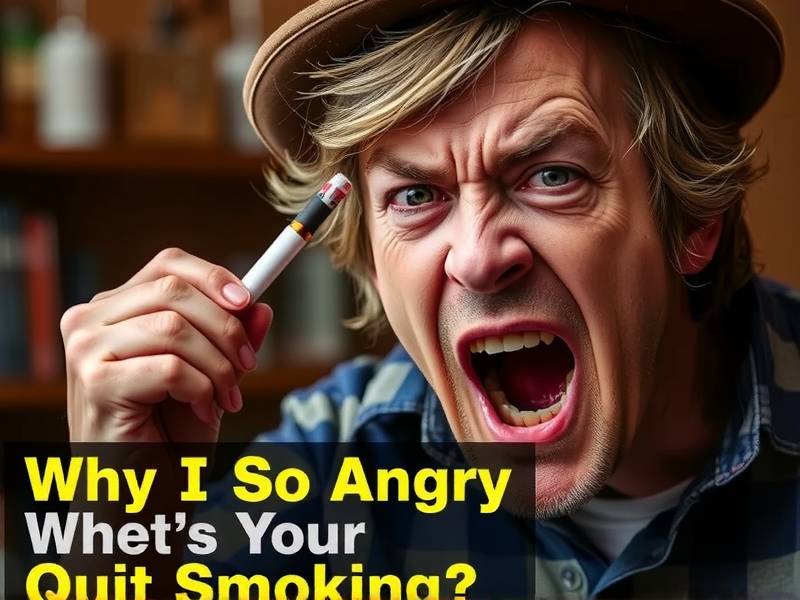
Withdrawal Symptoms When you quit smoking, your body goes through withdrawal symptoms as it adjusts to the absence of nicotine. These symptoms include irritability, anxiety, and mood swings, which can trigger anger in some individuals.
-
Habit Change Smoking has been a habit for years, and breaking it can be challenging. The change in routine and the need to find alternative ways to cope with stress or boredom can lead to frustration and anger.
-
Social Pressure Society often portrays smokers as less healthy or responsible individuals. When you quit smoking, you might face judgment or pressure from friends, family, or colleagues, which can contribute to anger.
-
Fear of Failure Quitting smoking is not an easy task for everyone. The fear of relapsing or failing at maintaining a smoke-free lifestyle can cause anxiety and anger.
Managing Anger During Quitting Smoking:
-
Identify Triggers Understanding what triggers your anger is the first step towards managing it effectively. Keep a journal to track situations that make you angry and try to identify common patterns.
-
Seek Support Surround yourself with supportive friends, family members, or join a quit-smoking group where you can share your experiences and receive encouragement from others who are going through similar challenges.
-
Alternative Coping Mechanisms Find healthier ways to cope with stress or boredom that don't involve smoking. This could include exercise, meditation, deep breathing exercises, or engaging in hobbies that you enjoy.
-
Professional Help If your anger becomes overwhelming or affects your daily life, consider seeking help from a mental health professional who specializes in addiction recovery.
-
Patience with Yourself Understand that quitting smoking is a process that takes time and patience. Be kind to yourself during this journey and acknowledge your progress along the way.
Conclusion: Feeling angry when quitting smoking is a common emotion experienced by many individuals on their path to becoming smoke-free. By understanding the root causes of this anger and implementing effective strategies for managing it, you can increase your chances of successfully quitting smoking and enjoying a healthier life.
Remember that it's normal to face emotional challenges during this transition period. With support from others and self-compassion, you can navigate these difficulties and emerge stronger on the other side of quitting smoking for good.