
Will Quitting Smoking Help Reduce the Risk of a Heart Attack?
The Heart-Healthy Promise of Quitting Smoking: A Comprehensive Guide
Introduction
The decision to quit smoking is a significant step towards a healthier lifestyle. For many, the fear of heart disease is a powerful motivator. But does quitting smoking actually reduce the risk of a heart attack? Let's delve into the latest research and insights to understand the profound impact that kicking the habit can have on cardiovascular health.
Understanding the Risk
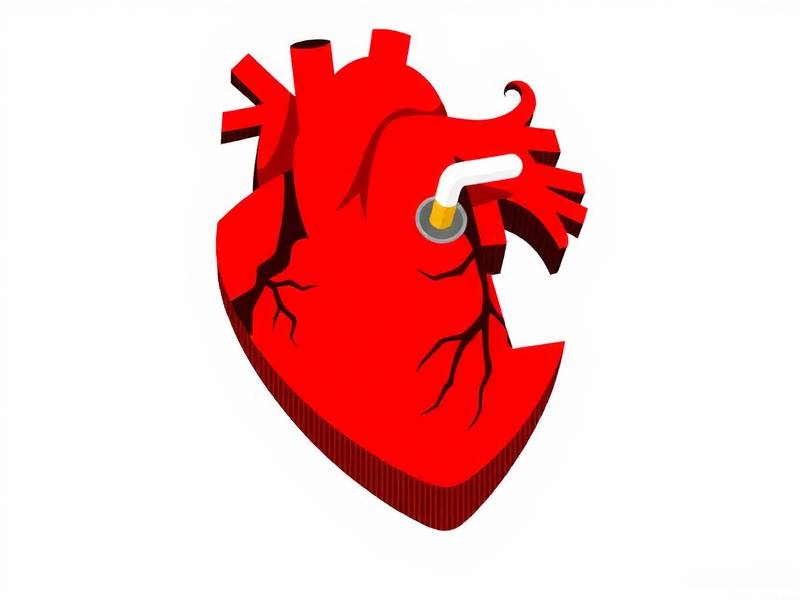
It's no secret that smoking is a leading cause of heart disease. The chemicals in cigarettes damage the lining of your arteries, leading to a buildup of plaque—a process known as atherosclerosis. This can lead to narrowing of the arteries, increasing blood pressure and reducing blood flow to the heart muscle, which can ultimately result in a heart attack.
The Immediate Benefits
When you quit smoking, your body begins to repair itself almost immediately. According to the American Heart Association, just 20 minutes after you quit, your blood pressure and pulse rate start to drop. Within 12 hours, carbon monoxide levels in your blood return to normal. And within two weeks to three months, circulation improves and lung function increases.
Long-Term Reduction in Risk
Research has shown that quitting smoking significantly reduces the long-term risk of heart attack. A study published in The Lancet found that after 10 years of quitting, former smokers had a 50% lower risk of suffering a heart attack compared to those who continued smoking.
Other Health Benefits
Quitting smoking not only benefits your heart but also improves overall health. Reduced risk of stroke, better lung function, improved sense of taste and smell, and even better skin health are just some of the additional benefits.

Overcoming Challenges
Quitting smoking is challenging, but there are numerous resources available to help you succeed. From nicotine replacement therapy (NRT) like patches or gum to prescription medications like bupropion or varenicline, there are options tailored to individual needs.
Real-Life Success Stories
Hearing about others who have successfully quit can be incredibly motivating. Whether it's through support groups or online communities, sharing experiences can provide encouragement and practical advice.
Conclusion
In conclusion, quitting smoking is an effective strategy for reducing the risk of a heart attack. The immediate and long-term benefits are substantial and well-documented by scientific research. If you're considering quitting or have already started your journey towards smoke-free living, know that every step you take is moving you closer to better heart health.
Remember, it's never too late to start making changes for your cardiovascular well-being. Embrace the challenge with determination and support from friends, family, or healthcare professionals—your heart will thank you for it!