
What Happens to Your Body Once You Quit Smoking: A Comprehensive Guide
What Happens to Your Body Once You Quit Smoking: A Comprehensive Guide
Introduction: Quitting smoking is a significant decision that can lead to numerous health benefits. Many people struggle to quit smoking due to the physical and psychological addiction. However, understanding the changes that occur in your body after quitting smoking can provide motivation and hope. In this comprehensive guide, we will explore the various stages of recovery and the positive transformations that take place within your body once you quit smoking.

-
Immediate Benefits: As soon as you quit smoking, your body begins to experience immediate benefits. Within 20 minutes of quitting, your heart rate and blood pressure start to drop. This is because nicotine withdrawal causes your blood pressure and heart rate to rise temporarily.
-
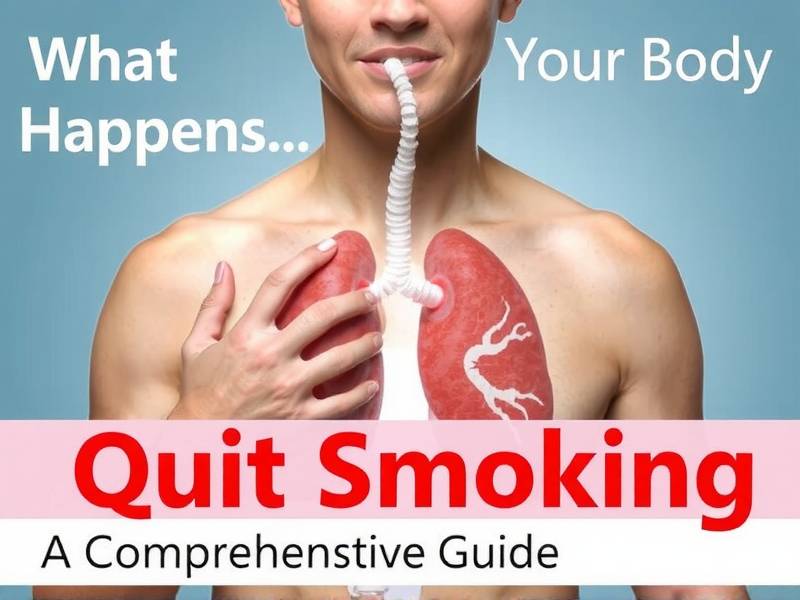
Improved Lung Function: One of the most significant changes occurs in your lungs. Within 48 hours of quitting, the carbon monoxide levels in your blood return to normal, allowing more oxygen to reach your tissues and organs. Over time, lung function continues to improve, reducing the risk of respiratory diseases such as chronic bronchitis and emphysema.
-
Reduced Risk of Heart Disease: Quitting smoking significantly reduces the risk of heart disease and stroke. Within a few weeks after quitting, your heart disease risk begins to decline as cholesterol levels improve and blood circulation improves.
-
Enhanced Immune System: Smokers have a weakened immune system due to nicotine exposure. However, once you quit smoking, your immune system strengthens over time, making it easier for your body to fight off infections and diseases.
-
Improved Skin Health: Smoking accelerates aging processes in the skin by damaging collagen and elastin fibers. After quitting smoking, you may notice an improvement in skin texture and color within a few weeks as blood flow increases and oxygen reaches the skin cells.
-
Increased Energy Levels: Nicotine acts as a stimulant that temporarily boosts energy levels but also causes fatigue later on due to its addictive nature. Quitting smoking allows for more sustained energy levels as your body no longer relies on nicotine for stimulation.
-
Reduced Risk of Cancer: Cigarette smoke contains over 7,000 chemicals, including at least 70 known carcinogens (cancer-causing substances). By quitting smoking, you significantly reduce your risk of developing various types of cancer such as lung cancer, throat cancer, bladder cancer, and more.
Conclusion: Quitting smoking is a challenging endeavor but offers numerous health benefits for both short-term and long-term well-being. Understanding what happens to your body after quitting can provide motivation and encouragement during this journey towards a healthier lifestyle. Embrace the positive changes that occur within you as you take steps towards a smoke-free life.
Note: The information provided in this article is based on research from reputable sources such as the American Lung Association (www.lung.org) and the Centers for Disease Control and Prevention (www.cdc.gov).