
Does Zyban Really Work for Quitting Smoking? A Comprehensive Review
Does Zyban Really Work for Quitting Smoking? A Comprehensive Review
Introduction: Smoking is a prevalent habit that affects millions of people worldwide. The desire to quit smoking is often driven by health concerns, financial reasons, and personal goals. One of the most commonly used smoking cessation aids is Zyban, also known as bupropion. But does it really work? In this comprehensive review, we will explore the effectiveness of Zyban in helping individuals quit smoking.
What is Zyban? Zyban is a prescription medication that contains bupropion hydrochloride. It belongs to a class of drugs called norepinephrine-dopamine reuptake inhibitors (NDRIs). Bupropion has been used for several years to treat depression and has shown promising results in helping smokers quit.
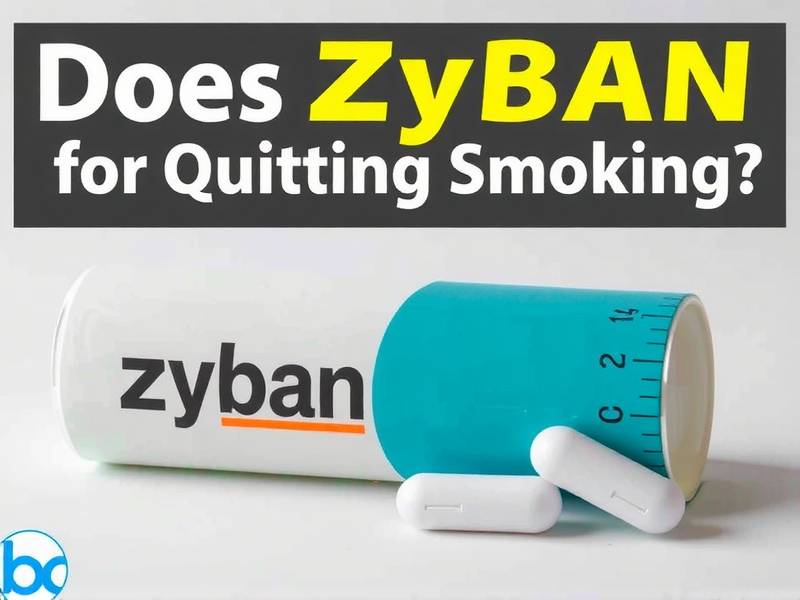
How does Zyban work? Zyban works by increasing the levels of neurotransmitters dopamine and norepinephrine in the brain. These neurotransmitters play a crucial role in regulating mood and reward pathways. By enhancing their levels, Zyban helps alleviate withdrawal symptoms and reduce cravings for nicotine.
Effectiveness of Zyban: Numerous studies have been conducted to assess the effectiveness of Zyban in smoking cessation. According to a comprehensive review published in the Cochrane Database of Systematic Reviews, individuals who took Zyban were approximately 50% more likely to quit smoking compared to those who did not receive any treatment.
Additional Benefits: Apart from aiding in quitting smoking, Zyban has also shown potential benefits for individuals with depression or anxiety disorders. However, it is important to note that these conditions should be diagnosed and treated by a healthcare professional before considering Zyban as a smoking cessation aid.
Side Effects: Like any medication, Zyban may cause side effects. Common side effects include dry mouth, headache, insomnia, dizziness, and nausea. In rare cases, severe side effects such as suicidal thoughts or behaviors have been reported. It is crucial for individuals considering Zyban to consult with their healthcare provider to assess potential risks and benefits.
Conclusion: Zyban has proven to be an effective tool for many individuals seeking to quit smoking. Its ability to alleviate withdrawal symptoms and reduce cravings makes it a valuable option for those struggling with nicotine addiction. However, it is essential to consult with a healthcare provider before starting treatment and monitor any potential side effects closely.
Remember that quitting smoking requires commitment and support from friends, family, or professionals. While medications like Zyban can provide assistance on this journey, combining them with behavioral strategies can enhance the chances of successful quitting.
Note: This article aims to provide general information about Zyban's effectiveness as a smoking cessation aid. It does not replace professional medical advice or treatment recommendations from healthcare providers.