How Long Until the Risk of Lung Cancer Decreases After Quitting Smoking?
The Journey to Reduced Lung Cancer Risk: How Long After Quitting Smoking?
Introduction: The decision to quit smoking is a monumental step towards a healthier life. Many smokers are eager to know how soon they can expect a decrease in their risk of developing lung cancer. This article delves into the timeline of risk reduction and provides insights into the journey ahead.
Understanding the Risk Reduction Timeline
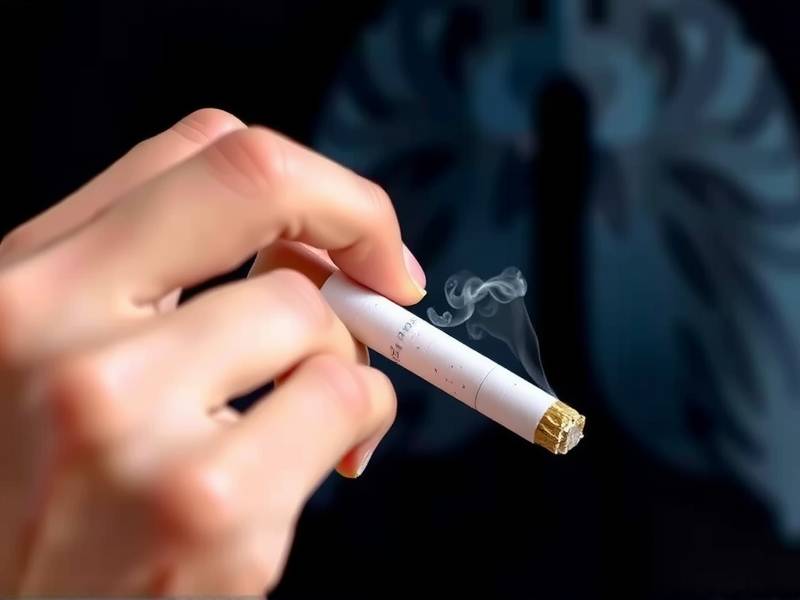
1. Immediate Benefits: When you quit smoking, your body begins to heal almost immediately. Within 20 minutes of quitting, your heart rate and blood pressure drop, and the carbon monoxide level in your blood starts to decrease. This rapid change signifies the start of a new chapter in your health.
2. Short-Term Reductions: Within 48 hours, your sense of smell and taste begin to improve as the cilia in your lungs start to regrow, clearing out mucus and debris that were previously trapped by nicotine's effects.
3. One Year Mark: After one year of quitting, your risk of heart disease is reduced by half compared to that of a continuing smoker. Your immune system also strengthens, making it easier for you to fight off infections.
4. Five Years Post-Quitting: At this point, your risk for stroke has decreased significantly. Additionally, your risk of developing cancer of the mouth, throat, esophagus, bladder, and cervix starts to decline.
5. Ten Years Post-Quitting: Your chances of developing lung cancer are now about half that of a continuing smoker's. This reduction underscores the importance of quitting early in the smoking journey.
6. Long-Term Benefits: After 15 years without smoking, your risk for heart disease is similar to that of someone who has never smoked. The longer you remain smoke-free, the more these risks continue to diminish.
The Role of Lifestyle Choices
It's important to note that while quitting smoking significantly reduces your risk for lung cancer and other diseases, maintaining a healthy lifestyle further enhances these benefits. Regular exercise, a balanced diet rich in fruits and vegetables, and avoiding secondhand smoke all contribute to a lower overall risk profile.
Conclusion:
The journey from quitting smoking to reducing lung cancer risk is both personal and transformative. While it may seem like an eternity while waiting for those risks to decrease, each day without smoking brings you closer to a healthier life free from tobacco-related diseases. Embrace this new beginning with determination and patience; the rewards are well worth the wait.