
How Your Lungs Change After You Quit Smoking: A Comprehensive Guide
Introduction
Quitting smoking is one of the most significant steps you can take for your health. Your lungs are often the first to suffer from the harmful effects of tobacco, but they also have a remarkable ability to heal and regenerate. This guide will explore how your lungs change after you quit smoking, providing a comprehensive look at the process and its benefits.
The Immediate Impact of Quitting Smoking
When you quit smoking, your lungs begin to repair themselves almost immediately. Here's what happens in the first few days and weeks:
1. Reduction in Carbon Monoxide Levels
Within 12 hours of quitting, your carbon monoxide levels drop to normal. This allows your blood to carry more oxygen, which can improve energy levels and overall well-being.
2. Improved Coughing and Breathing
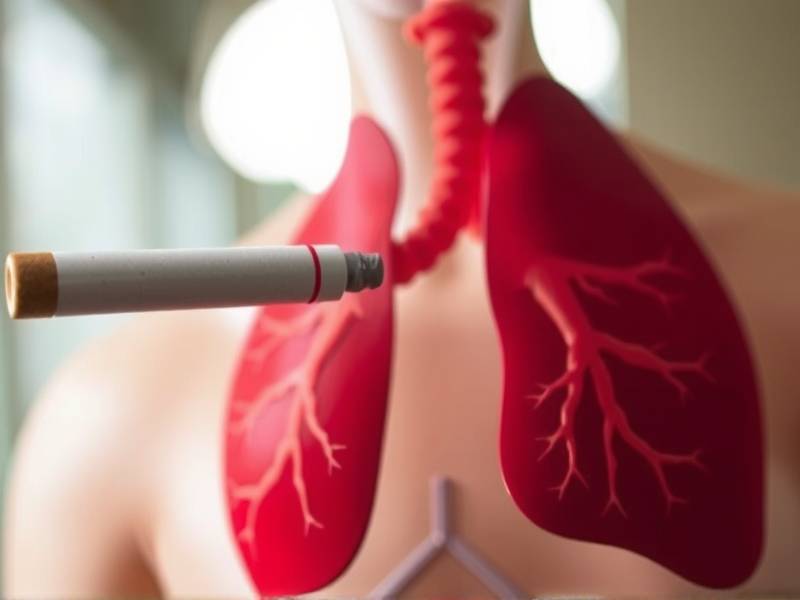
Coughing is a common symptom of smoking-related lung irritation. Within a few days to weeks after quitting, many people notice a reduction in coughing and an improvement in breathing.
The Short-Term Changes (1-9 Months)
In the first year after quitting, you can expect several positive changes in lung function:
3. Enhanced Lung Capacity
Your lung capacity may increase as your lungs expand with more oxygen-rich air.
4. Decreased Risk of Infections
The immune system becomes stronger over time, reducing your risk of respiratory infections like bronchitis and pneumonia.
The Medium-Term Changes (1-5 Years)
After about five years of not smoking, you'll experience even more significant improvements:
5. Reduced Risk of COPD
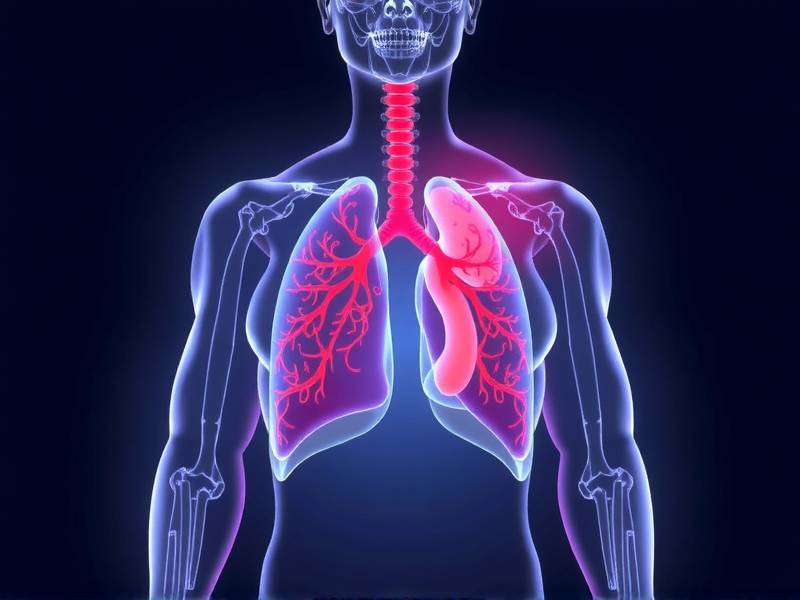
Chronic Obstructive Pulmonary Disease (COPD) is a severe lung condition often caused by smoking. Your risk decreases by half within five years after quitting.
6. Improved Lung Function Tests
Lung function tests may show improvements as your lungs continue to heal.
The Long-Term Benefits (10+ Years)
The long-term benefits of quitting smoking are substantial:
7. Decreased Risk of Heart Disease
Smoking increases the risk of heart disease due to damage caused by nicotine and other chemicals in cigarettes.
8. Lowered Risk of Cancer
Your risk for various types of cancer decreases over time as your body repairs DNA damage caused by smoking.
Tips for Maintaining Lung Health After Quitting Smoking
To ensure that these positive changes continue, consider the following tips:
- Stay Active: Regular exercise can improve lung capacity.
- Avoid Secondhand Smoke: Protect yourself from exposure to harmful secondhand smoke.
- Stay Hydrated: Drinking plenty of water helps keep your respiratory system healthy.
- Get Regular Check-ups: Regular medical check-ups can help monitor any potential issues early on.
Conclusion
Quitting smoking is a challenging but rewarding journey that offers numerous health benefits, particularly for your lungs. By understanding how your lungs change after you quit smoking, you can stay motivated and committed to this life-changing decision. Remember that every day without a cigarette brings you closer to better health and well-being.