
Why Do Gums Hurt After Quitting Smoking?
The Painful Reality: Why Do Gums Hurt After Quitting Smoking?
Introduction: Quitting smoking is a significant step towards a healthier life, but it often comes with unexpected challenges. One of the most common issues reported by former smokers is gum pain. If you're experiencing discomfort in your gums after quitting, you're not alone. Let's delve into the reasons behind this phenomenon and explore ways to alleviate the pain.
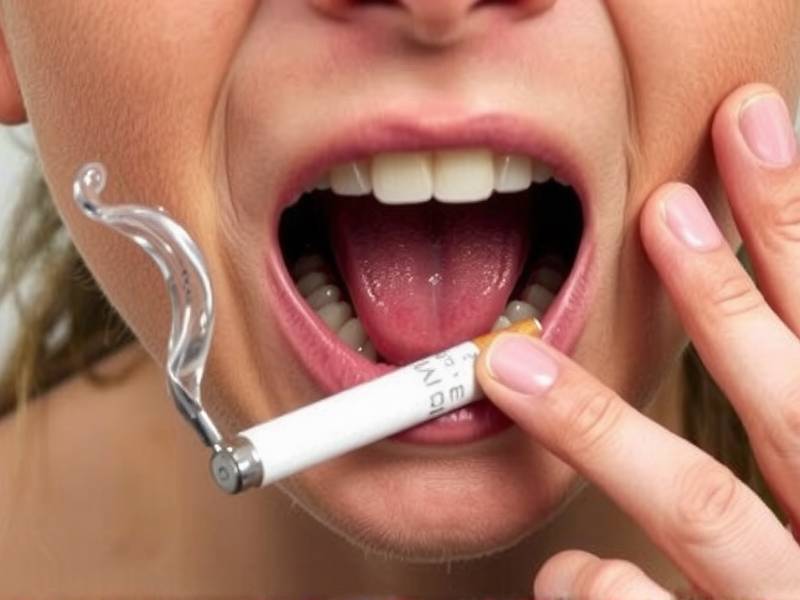
Understanding the Link Between Smoking and Gum Pain
-
Nicotine's Effects on Gum Health Nicotine, the primary addictive substance in cigarettes, has detrimental effects on gum health. It narrows blood vessels, reducing blood flow to the gums and impairing their ability to heal. As a result, smokers are more susceptible to gum diseases like gingivitis and periodontitis.
-
Dry Mouth and Increased Saliva Production When you quit smoking, your body undergoes several changes, including an increase in saliva production and a decrease in dry mouth symptoms. While this might seem beneficial, excessive saliva can irritate sensitive gum tissue, leading to pain.
The Healing Process After Quitting Smoking
-
Gum Rejuvenation Once you quit smoking, your body starts healing itself from the damage caused by nicotine. This process can take several weeks or even months. During this time, your gums may become tender and sore as they try to regenerate.
-
Inflammation Reduction Quitting smoking helps reduce inflammation in the gums caused by nicotine-induced immune response. However, this reduction in inflammation can also lead to temporary discomfort as your body adjusts.
Ways to Alleviate Gum Pain After Quitting Smoking
-
Maintain Good Oral Hygiene Regular brushing and flossing help remove food particles and plaque from your teeth and gums. This reduces inflammation and promotes healing.
-
Use Gentle Oral Rinses Gentle oral rinses containing ingredients like chlorhexidine or hydrogen peroxide can help reduce gum inflammation and promote healing.
-
Avoid Irritants Stay away from spicy foods or acidic beverages that can irritate your gums during this healing process.
-
Seek Professional Help If you experience severe gum pain or swelling, consult with a dental professional for personalized advice and treatment options.
Conclusion: Gum pain after quitting smoking is a common yet temporary issue that reflects your body's journey towards better health. By understanding the underlying causes and taking appropriate measures, you can alleviate discomfort and support your gums' healing process effectively. Remember that quitting smoking is a significant achievement; embrace this phase of recovery as part of your journey towards a healthier life!