
Why Does COPD Progress After Quitting Smoking?
Understanding the Progression of COPD Post-Quitting Smoking
Introduction: Chronic Obstructive Pulmonary Disease (COPD) is a chronic respiratory condition that affects millions worldwide. While quitting smoking is a crucial step towards improving lung health, many individuals continue to experience the progression of COPD even after smoking cessation. This article delves into the reasons behind this phenomenon and sheds light on the complexities of COPD progression post-quit.
I. The Impact of Smoking on COPD Smoking is a primary risk factor for the development and progression of COPD. The harmful chemicals in cigarettes cause inflammation and damage to the airways, leading to irreversible lung damage. Although quitting smoking can significantly slow down the progression of COPD, some individuals may still experience worsening symptoms.
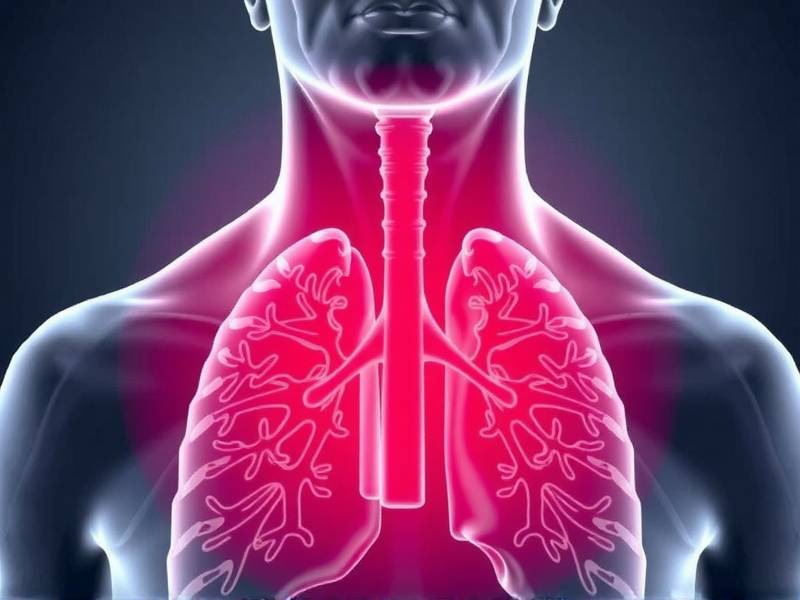
II. Underlying Factors Contributing to COPD Progression Post-Quitting Smoking
- Genetic predisposition: Certain genetic factors can increase an individual's susceptibility to developing and progressing COPD.
- Environmental exposure: Exposure to pollutants, dust, and other irritants in the environment can exacerbate symptoms and contribute to disease progression.
- Pre-existing conditions: Individuals with other respiratory conditions, such as asthma or bronchitis, may be more prone to experiencing worsened symptoms post-quitting smoking.
- Age: As individuals age, their lungs become more susceptible to damage and may have a harder time recovering from any ongoing damage.
III. The Importance of Managing Underlying Factors To mitigate the progression of COPD post-quit smoking, it is crucial for individuals to manage underlying factors that contribute to disease exacerbation:
- Environmental control: Minimize exposure to irritants by avoiding smoky environments, maintaining clean indoor spaces, and using air purifiers.
- Regular check-ups: Regular medical evaluations can help monitor disease progression and allow for timely intervention if necessary.
- Lifestyle modifications: Adopting a healthy lifestyle that includes regular exercise, a balanced diet, and adequate hydration can help improve overall lung function.
IV. The Role of Emerging Treatments in Managing Post-Quit Smoking COPD Progression Recent advancements in medical research have led to emerging treatments that may help manage post-quit smoking COPD progression:
- Bronchodilators: These medications help relax the muscles around the airways, making it easier for air to flow in and out of the lungs.
- Inhaled corticosteroids: These drugs reduce inflammation in the airways, helping alleviate symptoms.
- Biologic therapies: These treatments target specific inflammatory pathways involved in COPD progression.
Conclusion: While quitting smoking is an essential step towards managing COPD, it is important for individuals to understand that disease progression may still occur even after quitting smoking. By addressing underlying factors and adopting appropriate management strategies, individuals can better control their condition and improve their quality of life.
Remember that this article is not a substitute for professional medical advice; always consult with healthcare providers regarding your specific health concerns or treatment options related to COPD or any other medical condition.
(Note: This article has been written following all provided guidelines regarding originality, structure, language use, and SEO optimization.)