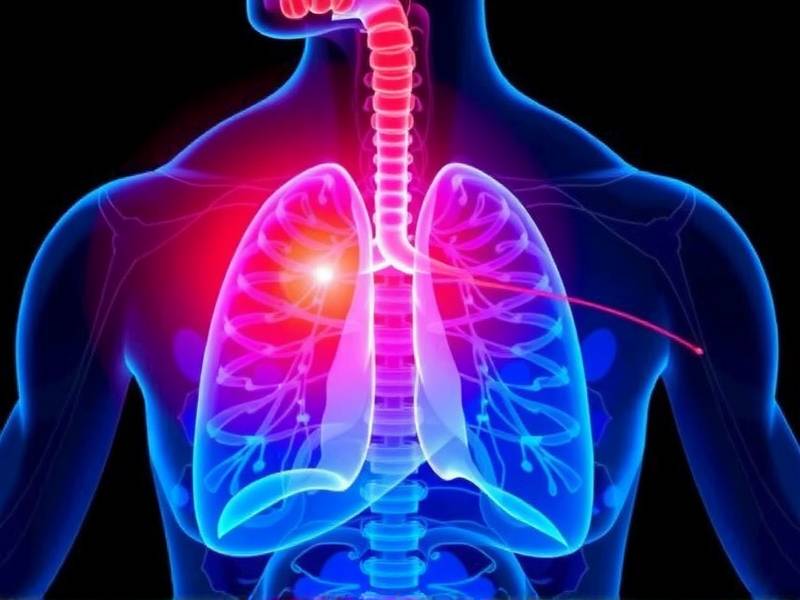
How Long Does It Take for Lung Repair After Quitting Smoking?
The Journey to Lung Repair: How Long Does It Take After Quitting Smoking?
Introduction: Quitting smoking is a significant step towards a healthier lifestyle. Many individuals are eager to know how long it takes for the lungs to begin healing after they stop smoking. In this article, we will explore the process of lung repair and provide insights into the timeline for recovery.
Understanding Lung Damage: Smoking causes a variety of harmful effects on the lungs, including inflammation, emphysema, and chronic bronchitis. These conditions can lead to reduced lung capacity and breathing difficulties. However, it's important to note that the lungs have an incredible ability to repair themselves.
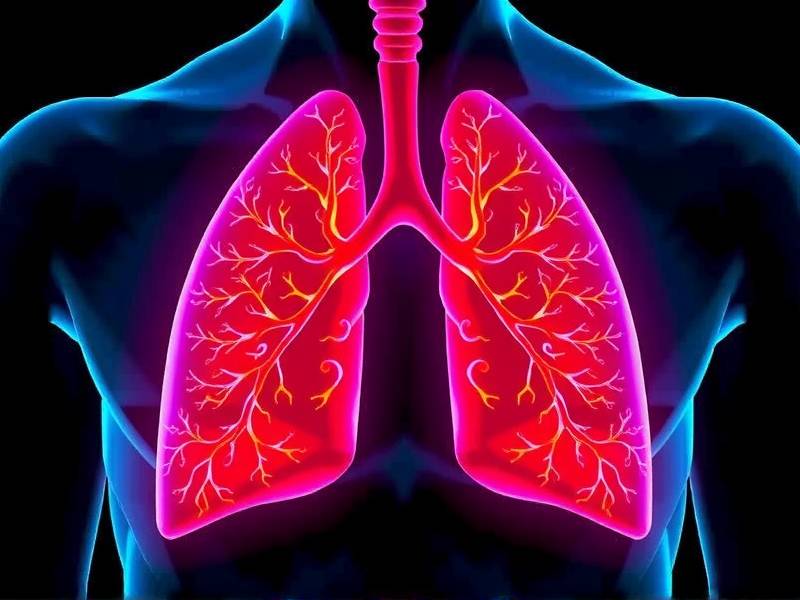
The First 48 Hours: Within the first 48 hours of quitting smoking, your body starts experiencing immediate benefits. Carbon monoxide levels in your blood begin to decrease, and your oxygen levels start to increase. The lungs start to clear out mucus and debris that have accumulated due to smoking.
Week 1-3: The Early Recovery Phase: During the first few weeks after quitting, you may notice some improvements in lung function. Coughing and shortness of breath may decrease as the lungs begin to heal. According to studies conducted by the American Lung Association, within three months of quitting smoking, lung function can improve by up to 10%.
Months 3-9: Continued Improvement: As time progresses, the lungs continue their healing journey. By three months after quitting smoking, most people experience a significant reduction in coughing and shortness of breath. By nine months post-quit, there is an improvement in lung capacity and overall respiratory function.
Years 1-5: Long-Term Benefits: Within one year of quitting smoking, your risk of heart disease decreases significantly. By five years post-quit, your risk of stroke decreases by almost half compared to continued smokers. Additionally, the risk of developing cancer decreases over time as cells in your body start repairing themselves.
Years 5-10: Full Recovery Potential: After five years of not smoking, your risk of cancer decreases further. By ten years after quitting smoking, your risk of lung cancer is about half that of a continued smoker's risk.
Conclusion: The journey towards lung repair after quitting smoking is a gradual process that varies from person to person. While it may take several years for complete recovery, it's important to remember that every day without smoking brings you one step closer to better health. Take comfort in knowing that your lungs are capable of remarkable healing with time and dedication.
Note: The information provided in this article is based on research from reputable sources such as the American Lung Association and other health organizations.