
How Long Does Anxiety Last After You Quit Smoking?
Understanding the Duration of Anxiety After Quitting Smoking
Introduction: Quitting smoking is a significant decision that many individuals make to improve their health and well-being. While the benefits of quitting are numerous, it's not uncommon to experience anxiety during the process. This article aims to provide insights into how long anxiety may last after you quit smoking, offering hope and guidance to those on their journey towards a smoke-free life.

Section 1: The Immediate Experience of Anxiety After quitting smoking, it's normal to experience anxiety as your body adjusts to the absence of nicotine. This initial phase often occurs within the first few days or weeks of quitting. The anxiety may manifest in various ways, such as restlessness, irritability, and difficulty concentrating.
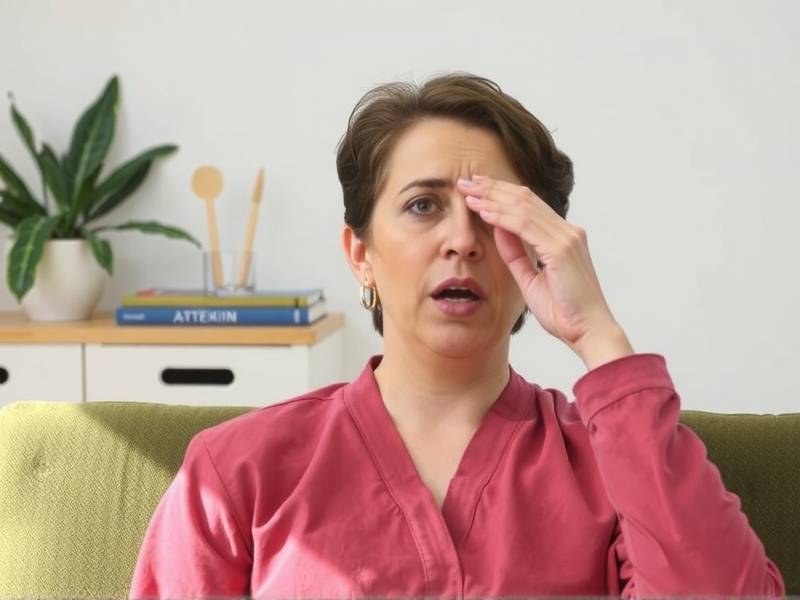
Section 2: The Role of Nicotine Withdrawal Nicotine withdrawal is a primary cause of anxiety after quitting smoking. The withdrawal symptoms typically peak within the first few days and gradually diminish over time. During this period, your body craves nicotine, leading to heightened levels of stress and anxiety.
Subsection 2.1: Managing Withdrawal Symptoms To alleviate withdrawal symptoms and reduce anxiety, it's crucial to employ effective strategies. These may include:
- Engaging in relaxation techniques such as deep breathing exercises or meditation.
- Staying hydrated by drinking plenty of water.
- Eating a balanced diet rich in fruits, vegetables, and whole grains.
- Seeking support from friends, family, or support groups dedicated to smoking cessation.
Section 3: Long-Term Anxiety After Quitting Smoking While most individuals experience a decrease in anxiety symptoms within a few weeks after quitting smoking, some may continue to feel anxious for an extended period. Factors contributing to long-term anxiety include:
Subsection 3.1: Psychological Factors The psychological aspect plays a significant role in prolonged anxiety after quitting smoking. Negative thought patterns or past experiences with failed attempts at quitting can contribute to ongoing anxiety.
Subsection 3.2: Environmental Triggers Environmental triggers such as exposure to secondhand smoke or reminders of smoking can trigger anxious feelings even after you've quit.
Section 4: Strategies for Coping with Long-Term Anxiety If you're experiencing long-term anxiety after quitting smoking, consider implementing the following strategies:
Subsection 4.1: Professional Support Seeking help from mental health professionals such as therapists or counselors can provide personalized guidance and coping mechanisms tailored to your specific needs.
Subsection 4.2: Mindfulness Techniques Practicing mindfulness techniques like yoga or mindfulness meditation can help manage stress and reduce anxious feelings.
Conclusion: Quitting smoking is a challenging journey that comes with its own set of challenges and emotions. Understanding how long anxiety may last after quitting can help individuals anticipate these feelings and seek appropriate support when needed. By adopting effective coping strategies and seeking professional assistance if necessary, it's possible to overcome long-term anxiety and enjoy the numerous benefits of living smoke-free.
Note: The information provided in this article is for general knowledge purposes only and should not replace professional medical advice. For personalized advice regarding your specific situation, consult with healthcare professionals who specialize in addiction medicine or mental health care.