
How Does Pulmonary Function Decline After Quitting Smoking?
Understanding the Decline in Pulmonary Function After Smoking Cessation
Introduction Quitting smoking is a significant step towards improving one's health, but it's not uncommon to experience changes in pulmonary function post-cessation. This article aims to shed light on how pulmonary function can decline after quitting smoking, offering insights into the recovery process and what can be done to support lung health.
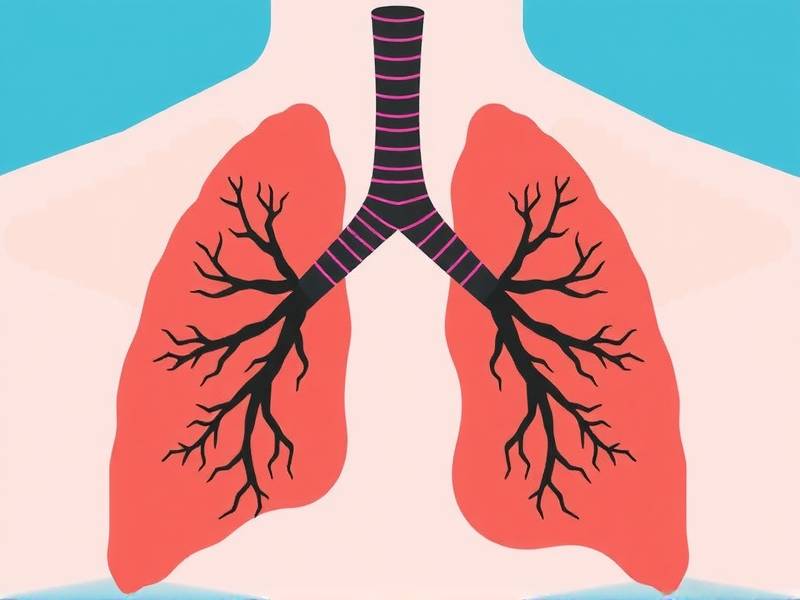
Understanding Pulmonary Function Pulmonary function refers to how well the lungs work. It includes aspects such as breathing capacity, oxygen exchange, and gas exchange. Smoking damages the lungs by causing inflammation, scarring, and impairing the ability of alveoli (air sacs) to expand and contract effectively.
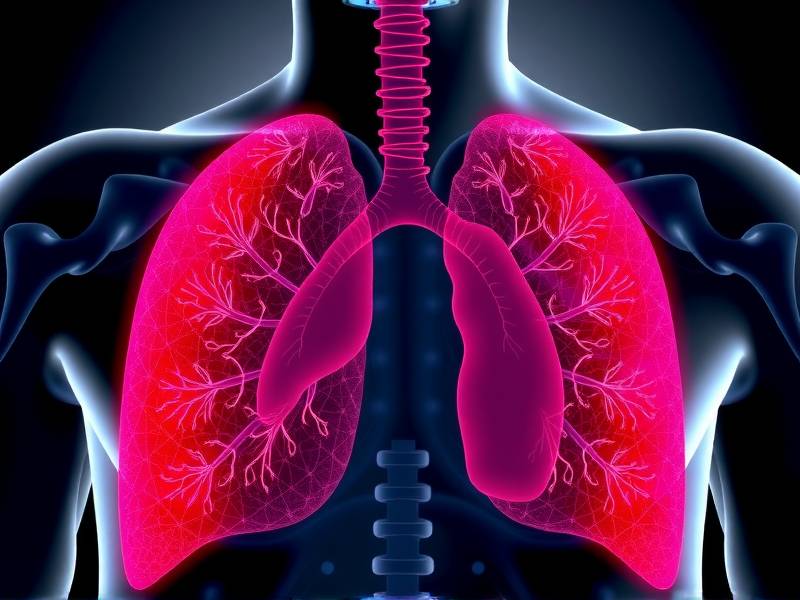
The Immediate Impact of Quitting Smoking When you quit smoking, your body begins a healing process. Initially, there might be some temporary decreases in pulmonary function due to inflammation and bronchospasm. However, these changes are often reversible.
-
Immediate Recovery: Within the first few weeks after quitting, you may notice an improvement in coughing and shortness of breath as your airways begin to clear.
-
Long-Term Recovery: Over time, your lungs can recover significantly. The decline in pulmonary function typically slows down or stops once you've quit smoking for an extended period.
Factors Influencing Pulmonary Function Decline Several factors can influence how quickly your pulmonary function recovers after quitting smoking:
- Duration of Smoking: The longer you smoked, the more severe the damage to your lungs.
- Number of Cigarettes Smoked Daily: The higher the number of cigarettes smoked daily, the greater the impact on lung health.
- Age at which You Started Smoking: Starting smoking at a younger age can lead to more significant damage.
- Exposure to Secondhand Smoke: Secondhand smoke also contributes to lung damage.
Recovery Process The recovery process varies from person to person but generally follows this pattern:
- First Year Post-Cessation: This is when most significant improvements occur in pulmonary function.
- Years 2-5 Post-Cessation: Further improvements continue as scar tissue heals and inflammation decreases.
- Beyond 5 Years Post-Cessation: Recovery stabilizes as long as you remain smoke-free.
Supporting Lung Health After Quitting Smoking To support lung health after quitting smoking:
- Exercise Regularly: Physical activity helps improve lung capacity and overall fitness.
- Avoid Exposure to Air Pollutants: Pollution can worsen respiratory conditions.
- Maintain a Healthy Diet: A balanced diet rich in fruits and vegetables can support lung recovery.
- Seek Professional Advice: A healthcare provider can offer personalized advice on managing lung health post-cessation.
Conclusion Quitting smoking is a critical step towards restoring pulmonary function and improving overall health. While it may take time for your lungs to recover fully after quitting, adopting a healthy lifestyle can accelerate the healing process and support long-term lung health.
Remember that every puff counts – even one cigarette per day significantly increases your risk of developing chronic obstructive pulmonary disease (COPD) or other respiratory conditions. Take control of your health today by quitting smoking and investing in a smoke-free future for your lungs!