
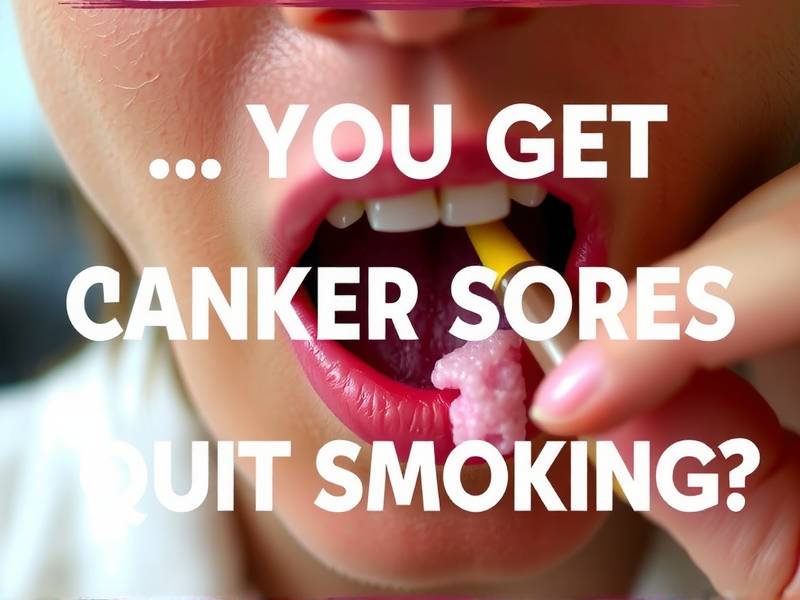
Why Do You Get Canker Sores When You Quit Smoking?
Understanding the Link Between Quitting Smoking and Canker Sores
Introduction: Quitting smoking is a significant step towards a healthier lifestyle. However, many smokers experience unexpected challenges during their journey. One common issue faced by quitters is the occurrence of canker sores. In this article, we delve into the reasons behind this phenomenon and provide insights into managing canker sores while quitting smoking.
What Are Canker Sores? Canker sores, also known as aphthous ulcers, are small, painful sores that appear on the mucous membranes inside the mouth. They are not contagious but can be quite uncomfortable and may last for several weeks.

The Link Between Quitting Smoking and Canker Sores
-
Nicotine Withdrawal: When you quit smoking, your body goes through nicotine withdrawal, which can trigger various symptoms, including an increased risk of developing canker sores. Nicotine has been found to have anti-inflammatory properties that help keep the lining of the mouth healthy. Without nicotine, the mucous membranes become more susceptible to irritation and infection.
-
Immune System Response: Quitting smoking also impacts your immune system. As your body adjusts to being smoke-free, it may experience heightened immune responses to minor irritants or infections, such as those that lead to canker sores.
-
Changes in Oral Hygiene: When you quit smoking, you may notice improvements in your oral hygiene due to reduced exposure to harmful substances. However, this sudden change can also disrupt the delicate balance of bacteria in your mouth, making you more prone to infections and irritations like canker sores.
Managing Canker Sores While Quitting Smoking
-
Practice Good Oral Hygiene: Maintaining excellent oral hygiene is crucial when quitting smoking and dealing with canker sores. Brush your teeth at least twice a day with a soft-bristled toothbrush and fluoride toothpaste. Use mouthwash to kill bacteria and reduce inflammation.
-
Avoid Irritants: Certain foods and habits can exacerbate canker sore symptoms. Avoid spicy or acidic foods until your sores heal fully. Additionally, try not to chew gum or use toothpicks until they are gone.
-
Stay Hydrated: Drinking plenty of water helps keep your mouth moist and reduces irritation from dryness caused by quitting smoking.
-
Use Over-the-Counter Remedies: Over-the-counter medications such as topical anesthetics or antiseptic mouthwashes may provide temporary relief from pain and promote healing.
-
Consult a Healthcare Professional: If your canker sores persist or worsen despite taking these measures, it's essential to consult a healthcare professional for personalized advice.
Conclusion: While quitting smoking may lead to the development of canker sores due to nicotine withdrawal and other factors mentioned above, it's important to understand that these issues are temporary and usually resolve within a few weeks after quitting smoking completely.
Remember that maintaining good oral hygiene practices and seeking professional advice when needed will help you manage these challenges effectively while embarking on a smoke-free journey towards better health.