
Does Your Body Really Go Back to Normal After Quitting Smoking?
The Journey to Normalcy: Does Your Body Really Go Back to Normal After Quitting Smoking?
Introduction: The decision to quit smoking is a significant step towards a healthier lifestyle. Many smokers wonder if their bodies can truly revert back to normal after years of smoking. This article delves into the transformative changes that occur within the body upon quitting smoking and whether it's possible for the body to return to its pre-smoking state.
I. The Immediate Impact of Quitting Smoking
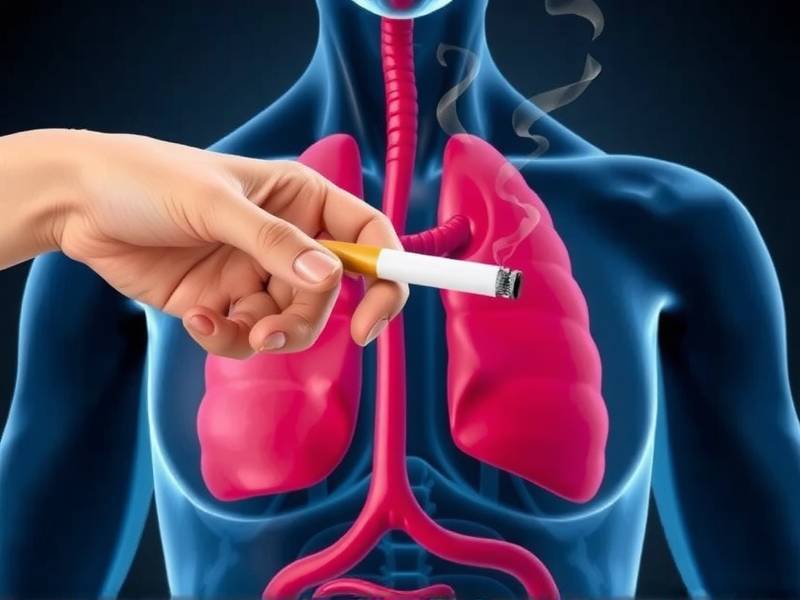
A. Improved Lung Function One of the most noticeable changes that occur when you quit smoking is an improvement in lung function. According to the Centers for Disease Control and Prevention (CDC), within just 48 hours of quitting, carbon monoxide levels in your blood drop to normal, and your pulse rate and blood pressure begin to drop.
B. Enhanced Immune System Quitting smoking strengthens your immune system, making you more resistant to infections and illnesses. The American Lung Association reports that within two weeks, your risk of heart disease starts to decline, and the lining of your lungs begins to heal.
II. Long-Term Benefits of Quitting Smoking
A. Reduced Risk of Chronic Diseases Long-term benefits include a lower risk of chronic diseases such as cancer, heart disease, stroke, and respiratory conditions. According to the National Cancer Institute (NCI), former smokers have a significantly reduced risk compared to current smokers.
B. Improved Quality of Life As your body heals from the damage caused by smoking, you'll likely experience an improved quality of life with increased energy levels, better sleep patterns, and fewer respiratory issues.
III. The Process of Returning to Normalcy
A. Healing Timeframe It's important to note that while many changes occur rapidly after quitting smoking, complete healing may take several years or even decades depending on individual factors such as age and duration of smoking.
B. Continuous Monitoring Regular check-ups with healthcare professionals can help monitor progress and ensure you're on track towards recovery.

IV. Factors Influencing Recovery
A. Genetic Predispositions Some individuals may have genetic predispositions that affect how quickly their bodies heal from smoking-related damage.
B. Lifestyle Choices Healthy lifestyle choices such as regular exercise, a balanced diet, and avoiding secondhand smoke can accelerate recovery and improve overall health outcomes.
Conclusion: The journey towards normalcy after quitting smoking is unique for each individual but is certainly achievable with dedication and support from healthcare professionals. By understanding the transformative changes that occur within the body upon quitting smoking, you can set realistic expectations for recovery and enjoy a healthier life free from tobacco's harmful effects.