
Can Quitting Smoking Really Reverse Heart Disease?
Introduction
Heart disease remains one of the leading causes of death worldwide, and smoking is a significant risk factor. Many people wonder if quitting smoking can reverse the damage done to their hearts. In this article, we'll explore the latest research and evidence to answer this question.
The Link Between Smoking and Heart Disease
Smoking is well-known for its detrimental effects on heart health. The chemicals in cigarettes can cause inflammation, increase blood pressure, and damage the lining of arteries. Over time, these effects can lead to heart disease, including coronary artery disease (CAD), heart attacks, and stroke.
The Power of Quitting
Quitting smoking is a powerful step towards reversing heart disease. Studies have shown that within just a few years of quitting, many of the harmful effects of smoking on the heart can be reversed.

Immediate Benefits
Upon quitting, your body starts to repair itself almost immediately. Within 20 minutes of your last cigarette:
- Your heart rate and blood pressure begin to drop.
- The carbon monoxide level in your blood returns to normal.
- Your chances of a heart attack start to decrease.
Long-term Benefits
The long-term benefits are even more impressive:
- Within one year after quitting, your risk of a heart attack drops by half.
- Within 5 years after quitting, your risk for stroke is similar to that of a nonsmoker.
- Within 10 years after quitting, your risk for CAD is reduced by 50%.
Reversing Heart Disease with Quitting Smoking
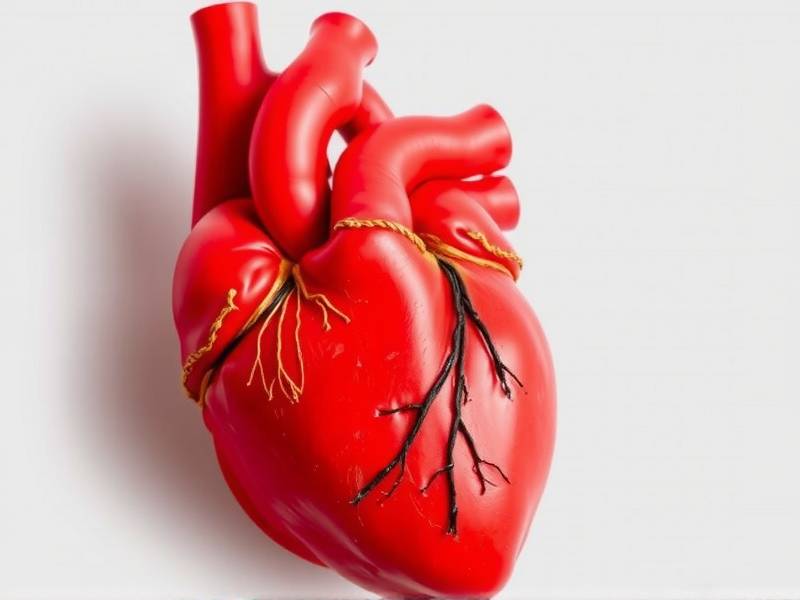
The process of reversing heart disease through quitting smoking isn't just about reducing risk; it's about healing the damage that has already been done.
Reduced Inflammation
One major benefit is reduced inflammation throughout the body. Chronic inflammation contributes to the progression of heart disease by causing damage to arteries and promoting plaque buildup.
Improved Blood Flow
Quitting smoking also improves blood flow by increasing the diameter of arteries. This can help improve circulation and reduce the risk of clots that lead to heart attacks.
Lower Blood Pressure
By reducing blood pressure over time, quitting smoking can help prevent hypertension-related complications in patients with existing heart conditions.
Conclusion
In conclusion, there's strong evidence that quitting smoking can indeed reverse some forms of heart disease. It's never too late to quit—your body will thank you with improved health and reduced risks for cardiovascular diseases. If you're struggling with nicotine addiction or looking for support on your quit journey, consider seeking help from healthcare professionals or support groups dedicated to smoking cessation.
Remember, every puff counts when it comes to reversing the effects of smoking on your heart. Take that first step today!