
Will Your Lungs Really Repair After You Quit Smoking?
Will Your Lungs Really Repair After You Quit Smoking?
Subheading: Understanding the Healing Power of Quitting Smoking
Introduction: Quitting smoking is one of the most significant decisions an individual can make for their health. Many smokers are aware that smoking causes serious health issues, including lung disease. However, one common question that arises is whether the lungs can truly repair after quitting smoking. In this article, we will explore the healing process of the lungs and provide insights into the potential recovery after quitting smoking.
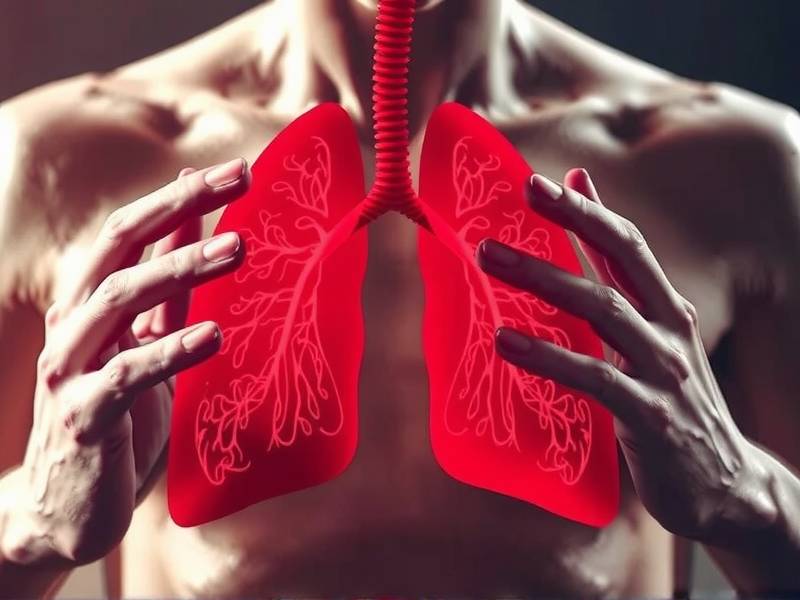
- The Damage Caused by Smoking
Smoking has been linked to various respiratory conditions, such as chronic obstructive pulmonary disease (COPD), emphysema, and bronchitis. These conditions occur due to the harmful substances present in tobacco smoke that irritate and damage the lungs over time.
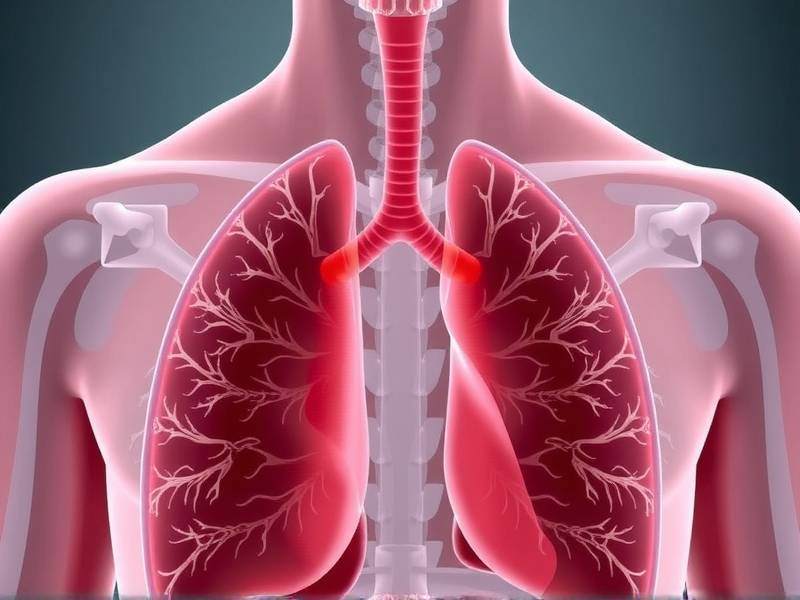
- The Healing Process
When you quit smoking, your body begins a healing process that can lead to significant improvements in lung function. Here are some key points to consider:
a. Immediate Benefits: Within minutes of quitting smoking, your blood pressure and heart rate start to normalize. Additionally, carbon monoxide levels in your blood begin to decrease.
b. Short-Term Improvements: After a few weeks of quitting, your lung function starts to improve as inflammation decreases and mucus production decreases.
c. Long-Term Recovery: Over several months to years after quitting smoking, your lungs may continue to repair themselves further. Some individuals may experience a reduction in symptoms like coughing or shortness of breath.
- Factors Affecting Lung Repair
Several factors can influence how well your lungs repair after quitting smoking:
a. Age: Younger individuals tend to recover faster than older individuals due to their bodies' higher regenerative capacity.
b. Duration of Smoking: The longer you have smoked, the more damage has occurred to your lungs, which may result in a slower healing process.
c. Overall Health: Individuals with other pre-existing health conditions may experience a more challenging recovery process.
- Importance of Continued Vigilance
While it's encouraging that your lungs can repair after quitting smoking, it's crucial to remain vigilant about maintaining lung health even after cessation:
a. Avoid Exposure: Minimize exposure to secondhand smoke and pollutants as they can exacerbate lung damage.
b. Regular Check-ups: Consult with a healthcare professional regularly for monitoring lung function and addressing any concerns.
c. Healthy Lifestyle Choices: Engage in activities that promote lung health, such as exercising regularly and maintaining a balanced diet.
Conclusion:
While it's challenging for some individuals to quit smoking due to addiction or other factors, it's essential to understand the potential for lung repair after cessation. By making the decision to quit smoking and adopting healthy lifestyle choices, you can give yourself a chance at improved lung function and overall well-being.
Remember that every day without smoking is a step towards better health for your lungs!