
Can You Get Chills When You Quit Smoking? The Science Behind the Physical Response
Introduction: The Unexpected Side of Quitting Smoking
When it comes to quitting smoking, the physical symptoms are often well-documented—coughs, sore throat, and cravings are common. However, one lesser-known symptom that many smokers may experience is chills. This article delves into the science behind why you might get chills when you quit smoking and what it means for your body's recovery process.
What Are Chills?
Chills refer to a sensation of coldness that makes you feel as though you need to wrap yourself in blankets or seek warmth. It's a common bodily response to various stimuli, including illness, stress, and significant lifestyle changes—such as quitting smoking.
The Science of Nicotine Withdrawal
Nicotine is a highly addictive substance found in tobacco products. When you quit smoking, your body goes through a process known as nicotine withdrawal. This is when your body adjusts to the absence of nicotine and tries to restore its natural balance.
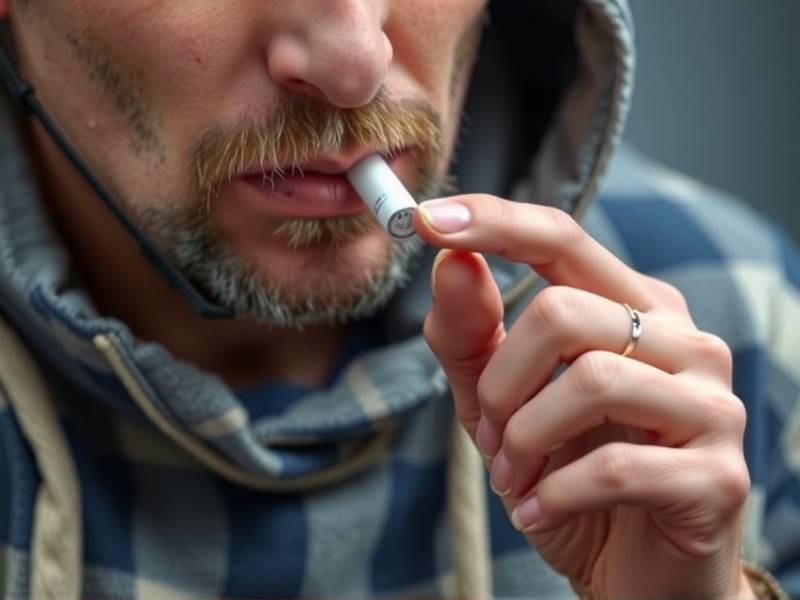
During nicotine withdrawal, your brain releases neurotransmitters like dopamine and norepinephrine to compensate for the lack of nicotine. These neurotransmitters play a crucial role in regulating mood, energy levels, and alertness.
How Chills Relate to Nicotine Withdrawal
One of the ways your body responds to nicotine withdrawal is through an increase in adrenaline production. Adrenaline is responsible for the "fight or flight" response and can cause various physical symptoms, including:
- Increased heart rate
- Elevated blood pressure
- Shivering or chills
These symptoms can be particularly pronounced during the first few days after quitting smoking as your body adjusts to lower levels of nicotine.
Managing Chills During Withdrawal
While chills can be uncomfortable, there are ways to manage them during nicotine withdrawal:
- Stay Hydrated: Dehydration can exacerbate chills. Drink plenty of water throughout the day.
- Dress Warmer: Layer up with warm clothing if you're prone to shivering.
- Exercise: Gentle exercise can help release endorphins, which may alleviate some discomfort.
- Aromatherapy: Scents like lavender or chamomile may help soothe your nervous system.
- Mindfulness Practices: Techniques such as deep breathing or meditation can reduce stress and help manage chills.
Conclusion: A Temporary Symptom on the Path to Better Health
Getting chills when you quit smoking is a temporary symptom that reflects your body's adjustment to life without nicotine. By understanding the science behind this physical response and implementing strategies for managing it, you can navigate this phase more comfortably on your journey towards a smoke-free life.
Remember, quitting smoking is a significant step towards better health, and it's important to be aware of all aspects of this transformation—both expected and unexpected—to stay motivated and supportive throughout your journey.