
Can Arteries Heal After Quitting Smoking?
Can Arteries Heal After Quitting Smoking? Understanding the Recovery Process
Introduction: The Impact of Smoking on Arteries
Smoking is a well-known risk factor for cardiovascular diseases, primarily due to the damage it causes to the arteries. But what happens to these arteries after a person decides to quit smoking? Can they heal and regain their health? This article delves into the recovery process of arteries post-cessation of smoking.
The Damage Smoking Inflicts on Arteries
Plaque Formation
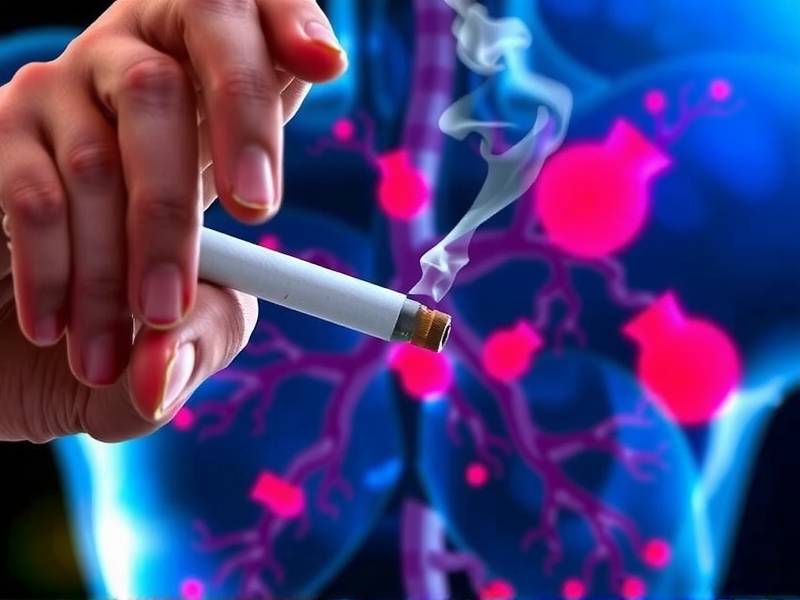
When you smoke, harmful chemicals enter your bloodstream and can cause plaque to build up in your arteries. This plaque is made up of fat, cholesterol, calcium, and other substances. Over time, this buildup narrows the arteries, a condition known as atherosclerosis.
Inflammation
Smoking also leads to inflammation in the artery walls. This inflammation can further damage the walls and accelerate plaque buildup.
Endothelial Dysfunction
The endothelium is the inner lining of your arteries. Smoking can harm this lining, making it less effective at controlling blood pressure and preventing blood clots.
The Healing Process: What Happens When You Quit
Immediate Benefits
Within just 24 hours of quitting smoking, your heart rate and blood pressure begin to drop as your body starts to rid itself of nicotine and other toxins.
Over Time
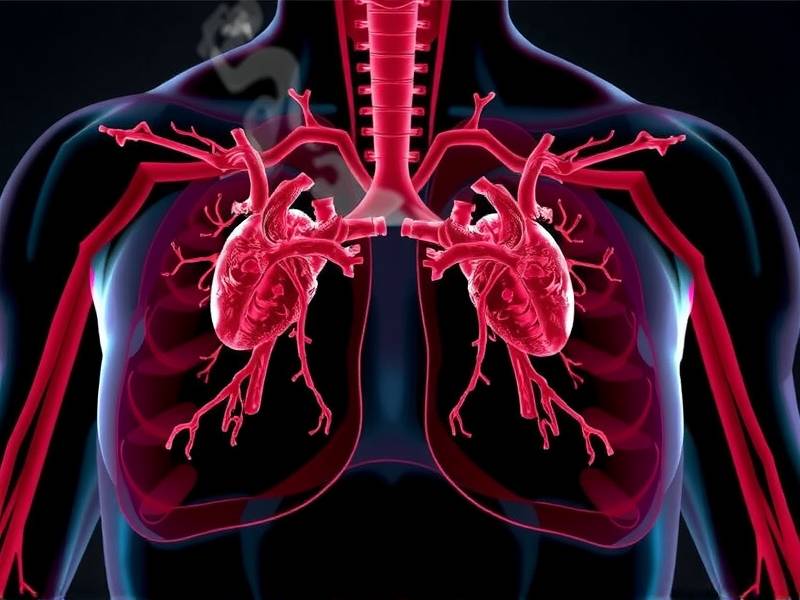
Here's how arteries typically heal over time after quitting smoking:
1. Six Hours Post-Quitting
The carbon monoxide levels in your blood drop significantly, allowing your blood to carry more oxygen.
2. Two Weeks to Three Months
Your heart rate decreases further, and circulation improves. The risk of heart attack starts to decline.
3. One to Nine Months
Arterial function begins to improve as plaque starts breaking down or moving through the bloodstream less frequently.
4. One to Two Years
The risk of heart disease is cut by about half compared to that of a smoker.
5. Five Years Post-Quitting
The risk of stroke is reduced significantly.
6. Ten Years Post-Quitting
The risk of dying from lung cancer is about half that of a continuing smoker's risk.
Long-term Benefits
Continued abstinence from smoking ensures that these benefits continue and may even reverse some of the damage done by years of smoking.
Conclusion: A Pathway to Healthier Arteries
While healing cannot undo all the damage caused by years of smoking, quitting provides a clear pathway towards healthier arteries and a reduced risk of cardiovascular diseases. It's never too late to start this journey towards better health. If you're considering quitting or have recently quit smoking, understanding this healing process can provide hope and motivation for continued success in your smoke-free life.