
Should I Use Nicotine Gum to Quit Smoking?
Understanding the Basics of Nicotine Gum
Nicotine gum is a popular tool used in smoking cessation. It works by delivering a controlled amount of nicotine to your bloodstream, which helps reduce withdrawal symptoms and cravings. But is it the right choice for you? Let's delve into the benefits, risks, and how it fits into your quitting journey.
How Nicotine Gum Works
Nicotine gum contains nicotine, the addictive substance found in cigarettes. When you chew the gum, nicotine is released into your mouth, and then absorbed through the lining of your mouth into your bloodstream. This process helps alleviate symptoms like anxiety, irritability, and restlessness that often accompany quitting smoking.
How to Use Nicotine Gum
To use nicotine gum effectively:
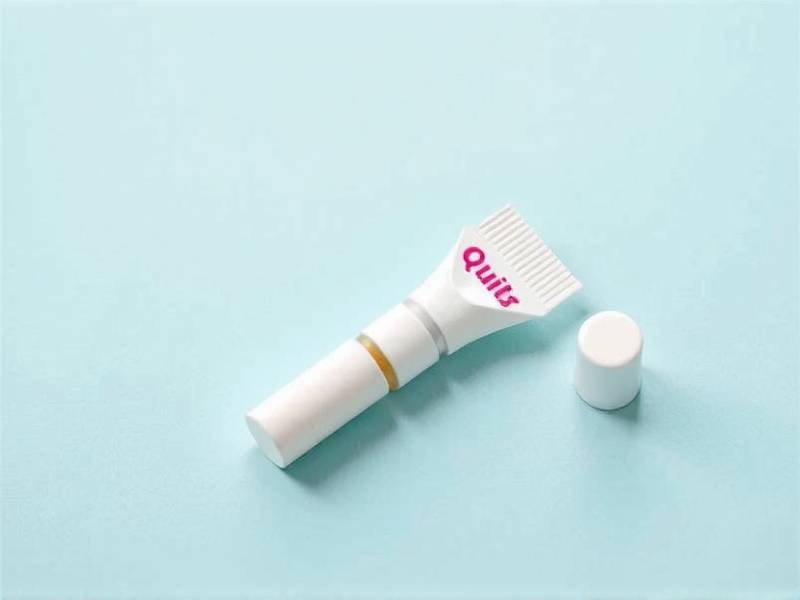
- Chew slowly: Take a piece of gum and chew it slowly until it starts to taste bitter.
- Pucker: Pucker your lips to keep the gum in place.
- Swallow: Once the taste becomes too strong, swallow saliva.
- Repeat: Continue this process until you feel satisfied.
It's important to follow the recommended dosing schedule provided by your healthcare provider or on the packaging.
Benefits of Using Nicotine Gum
Reduces Withdrawal Symptoms
One of the primary benefits of nicotine gum is its ability to reduce withdrawal symptoms associated with quitting smoking. By providing a controlled dose of nicotine, it can help ease cravings and make quitting easier.
Convenient
Nicotine gum is discreet and portable, making it an excellent choice for those who want a convenient way to manage their cravings throughout the day.
No Harmful Tar or Carbon Monoxide
Using nicotine gum instead of smoking eliminates exposure to harmful tar and carbon monoxide found in cigarettes.
Risks and Considerations
While nicotine gum can be an effective tool for quitting smoking, there are some risks and considerations to keep in mind:
Possible Side Effects
Nicotine gum can cause side effects such as heartburn, indigestion, hiccups, mouth numbness, or irritation of your gums. These side effects are usually mild but may persist if not managed properly.
Dependence on Nicotine
As with any form of nicotine replacement therapy (NRT), there's a risk of becoming dependent on nicotine. However, this risk is typically lower than that associated with smoking tobacco products.
Not Suitable for Everyone
Some individuals may not be suitable candidates for using nicotine gum due to health conditions or other factors. It's essential to consult with a healthcare provider before starting any new treatment.
Choosing the Right Nicotine Gum Strength
There are various strengths available for nicotine gum (2 mg, 4 mg, 6 mg), so choosing the right one depends on your individual needs:
- If you smoke fewer than 10 cigarettes per day, start with 2 mg.
- If you smoke between 10-15 cigarettes per day, start with 4 mg.
- If you smoke more than 15 cigarettes per day or have smoked heavily in the past (e.g., more than 20 cigarettes per day), start with 6 mg.
Remember that gradually reducing your dose over time can help minimize withdrawal symptoms as you continue on your path toward becoming smoke-free.
Conclusion: Is Nicotine Gum Right for You?
In conclusion, nicotine gum can be an effective tool for helping you quit smoking by reducing withdrawal symptoms and cravings. However, it's essential to consider potential risks and choose the right strength for your needs. Consult with a healthcare provider before starting any new treatment plan to ensure that it aligns with your overall health goals and preferences. With dedication and support from healthcare professionals or support groups like Smokefree.gov (https://smokefree.gov/quit-smoking/nicotine-replacement-therapy/nicotine-gum), you can increase your chances of successfully quitting smoking using nicotine gum or another NRT product.